-

-

+86-0576-86655111
-

Wenling , Zhejiang, China
+86-0576-86655111
Wenling , Zhejiang, China

Industry News
 Home / News / Industry News / What Makes Field Cable Cutting Safer and More Efficient in Modern Power Projects?
  2026.07.17
 Industry News
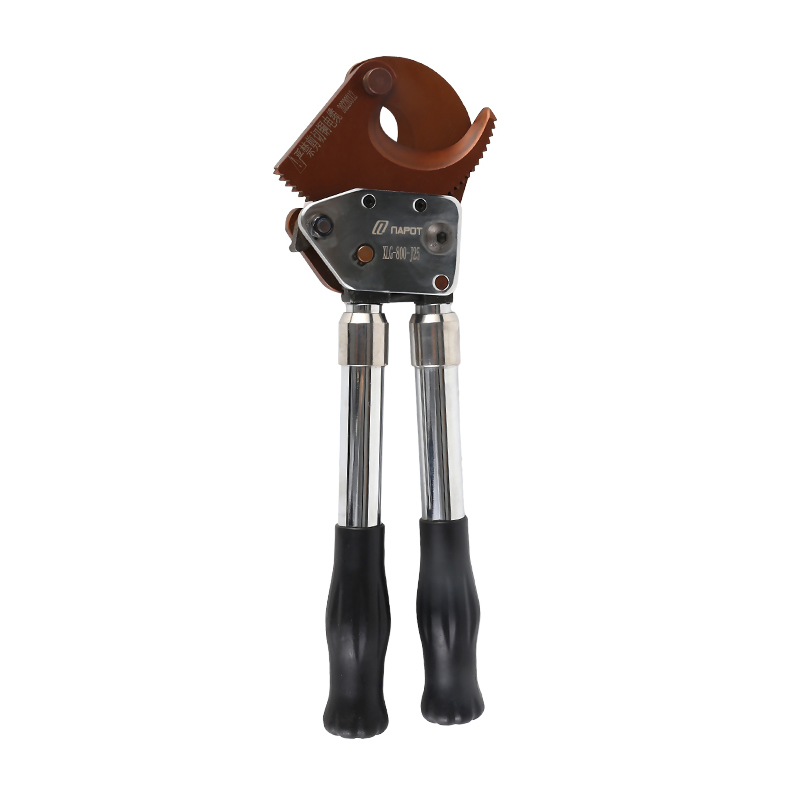
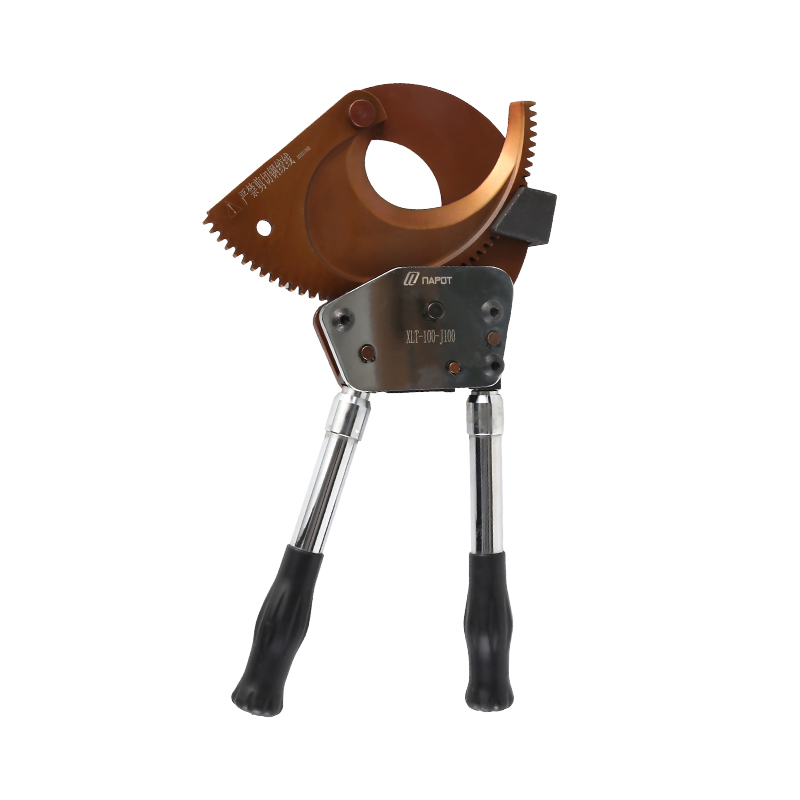
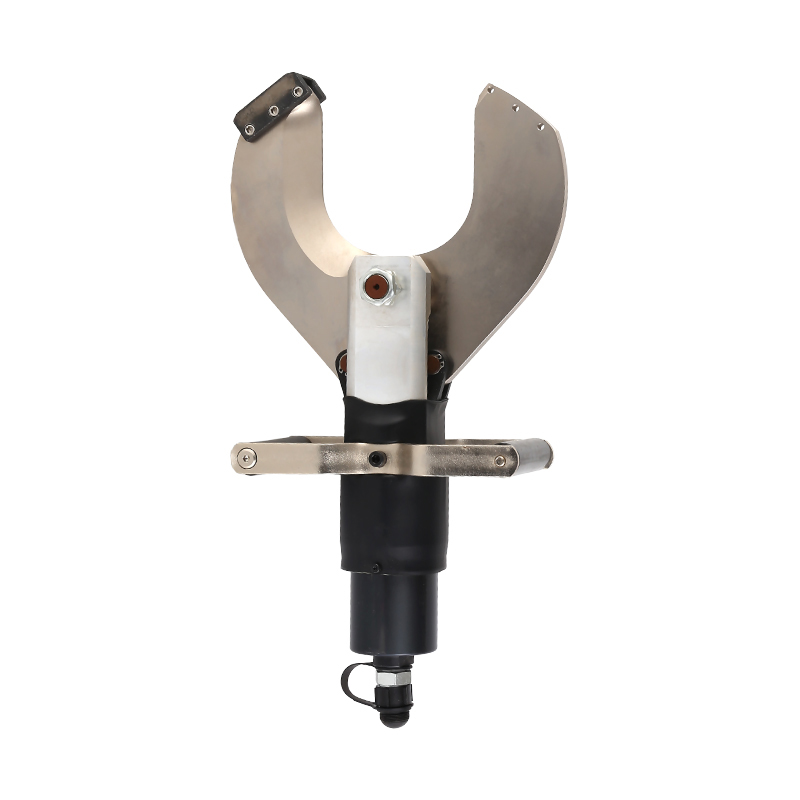
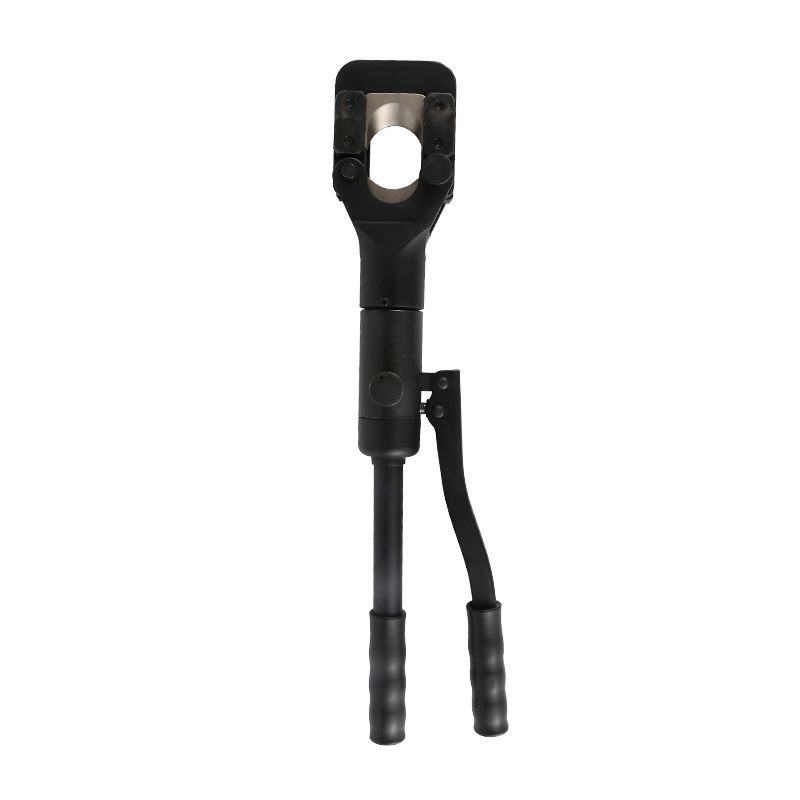
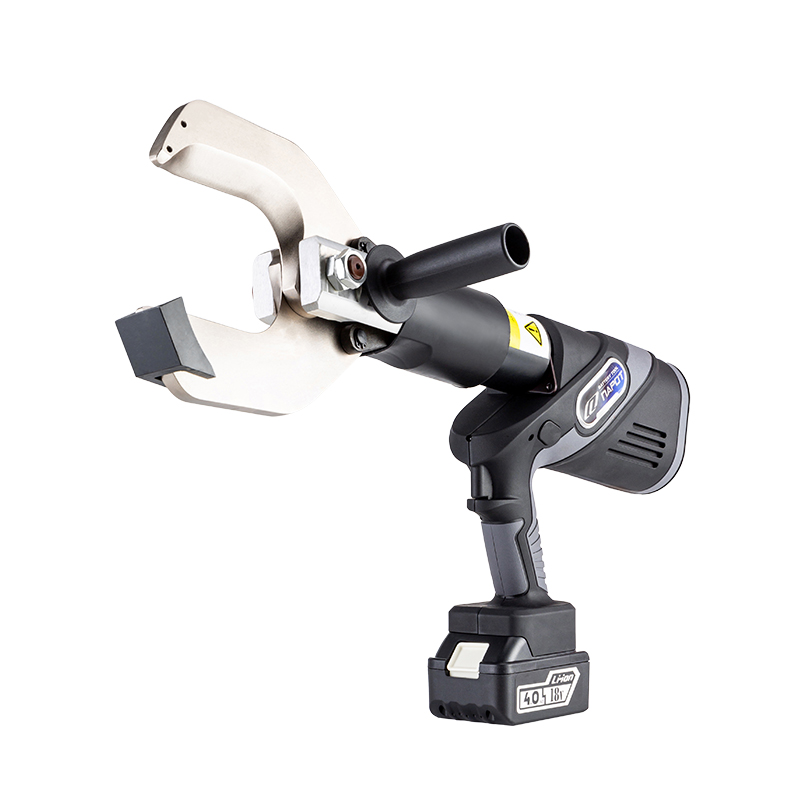
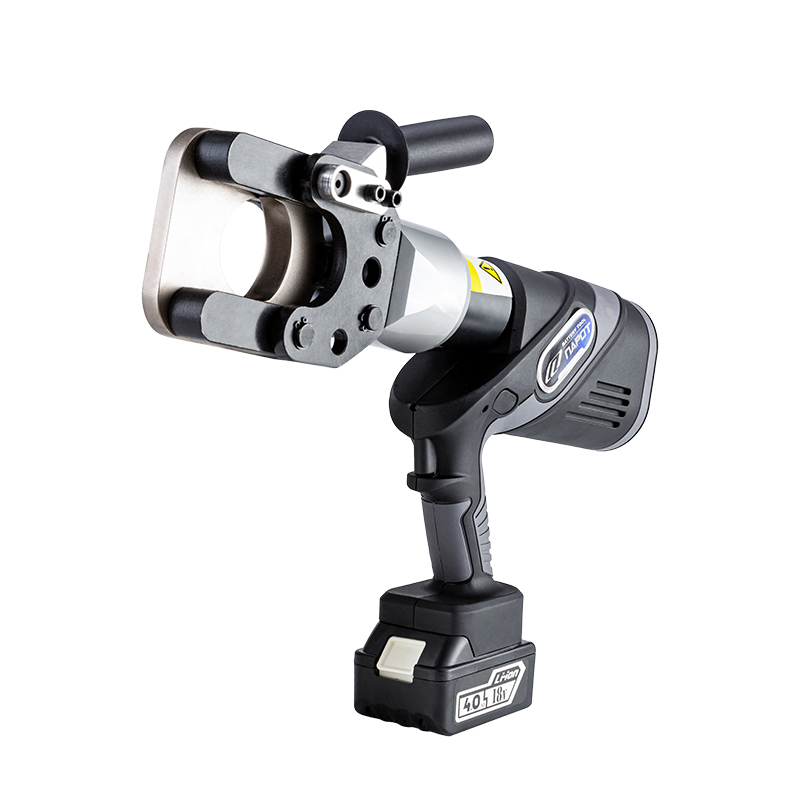
With global investment in grid expansion, renewable energy integration, and rural electrification accelerating, utility contractors are placing greater emphasis on field tool reliability and operator safety. Search trends such as ACSR strand cutting without deformation, high-leverage cable cutter for transmission lines, OSHA compliant electrical tools, and ACSR Cable Cutter show that buyers are now evaluating tools based on measurable safety performance, cutting consistency, and lifecycle durability rather than general-purpose functionality alone.
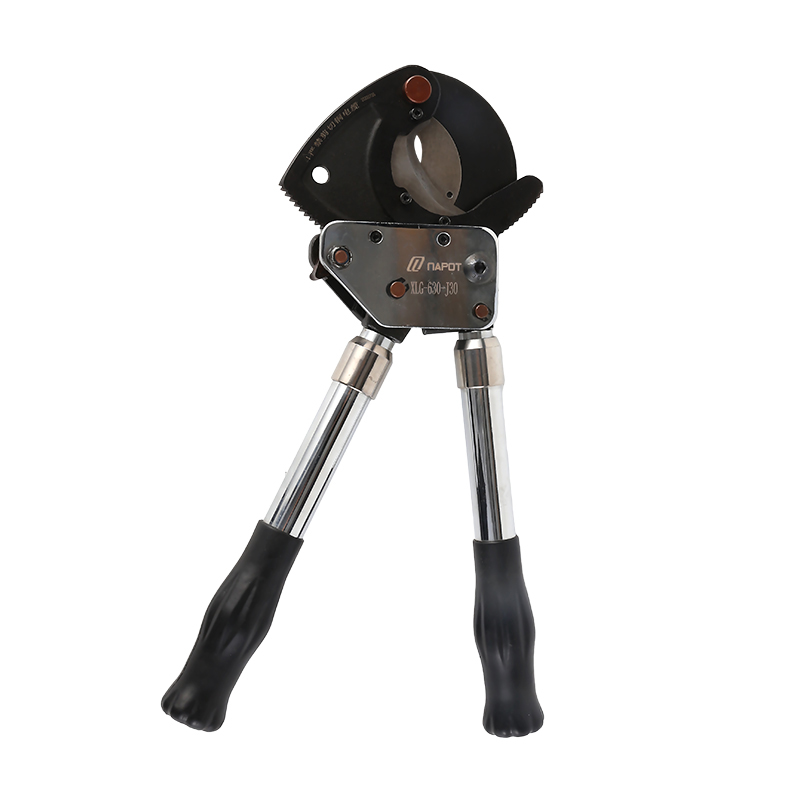
ACSR conductors combine aluminum layers with a steel reinforcement core, which significantly changes cutting behavior compared to standard copper or aluminum cables. Without proper mechanical design, cutting can advance to strand separation or uneven deformation.
Common field challenges include:
These factors make specialized tools necessary for professional electrical work.
The efficiency of a cable cutter is not defined only by blade sharpness but also by its mechanical force distribution system. Engineers focus heavily on lever design and cutting geometry.
Key structural parameters include:
These design features directly improve cutting precision and reduce required manual effort.
Cutting ACSR cable requires blades capable of maintaining hardness under repeated impact and friction against steel strands. Material selection is therefore a critical engineering factor.
Typical industrial configurations include:
These specifications help maintain stable performance in long-term field use.
Modern procurement standards for electrical tools increasingly include safety compliance as a core requirement. Contractors must ensure tools minimize operator exposure to mechanical and electrical risks.
Common safety-oriented design elements include:
These features are now frequently specified in tender documents for utility projects.
Purchasing decisions in the power sector are increasingly based on performance validation and lifecycle testing rather than visual inspection or pricing alone.
Key evaluation factors include:
This ensures operational reliability during large-scale infrastructure deployment.
ACSR cutting tools are used in a wide range of power system operations, where precision and reliability directly affect project timelines.
Typical applications include:
Each application requires consistent cutting performance under varying environmental conditions.
As global energy infrastructure becomes more interconnected and demanding, field tools will need to deliver higher precision, better safety integration, and longer service life. Future developments will focus on improved mechanical efficiency, enhanced blade durability, and smarter ergonomic design.
For utility contractors, distributors, and engineering teams, selecting a reliable ACSR Cable Cutter is a critical decision that affects field efficiency, operator safety, and long-term maintenance cost. Working with experienced manufacturers helps ensure stable performance and safer execution across modern power infrastructure projects.
Recommended Products
Copyright © Taizhou Naibo Machinery Co., Ltd. All Rights Reserved.

Cable Wire Cutting Tool Manufacturer
 English
 Español
 русский
 Français
 Deutsch
 Português