-

-

+86-0576-86655111
-

Wenling , Zhejiang, China
+86-0576-86655111
Wenling , Zhejiang, China

Industry News
 Home / News / Industry News / Why Are Utility Contractors Upgrading to High-Precision ACSR Cutting Tools?
  2026.07.10
 Industry News
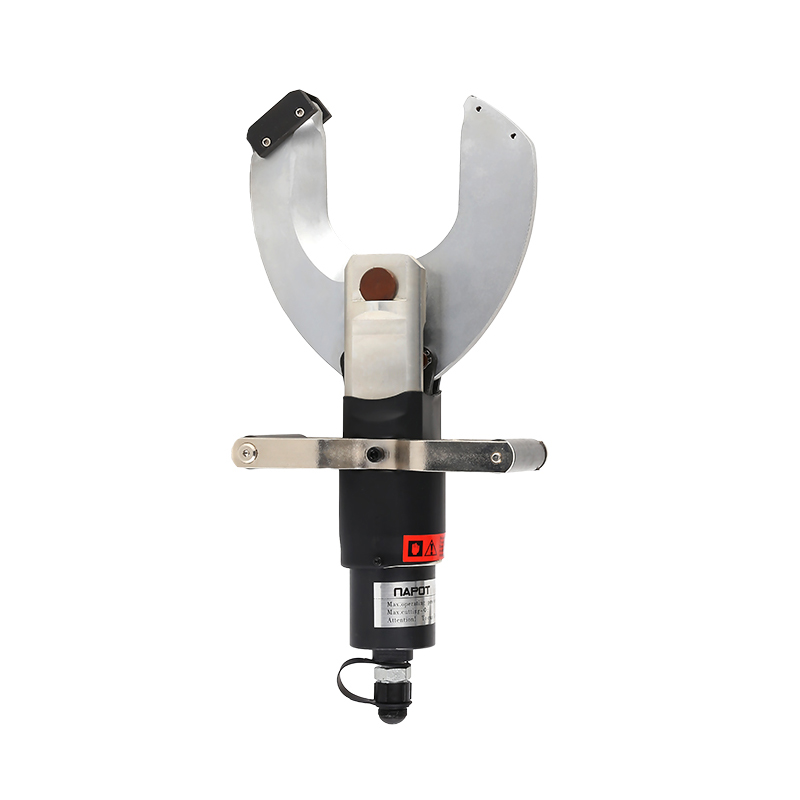
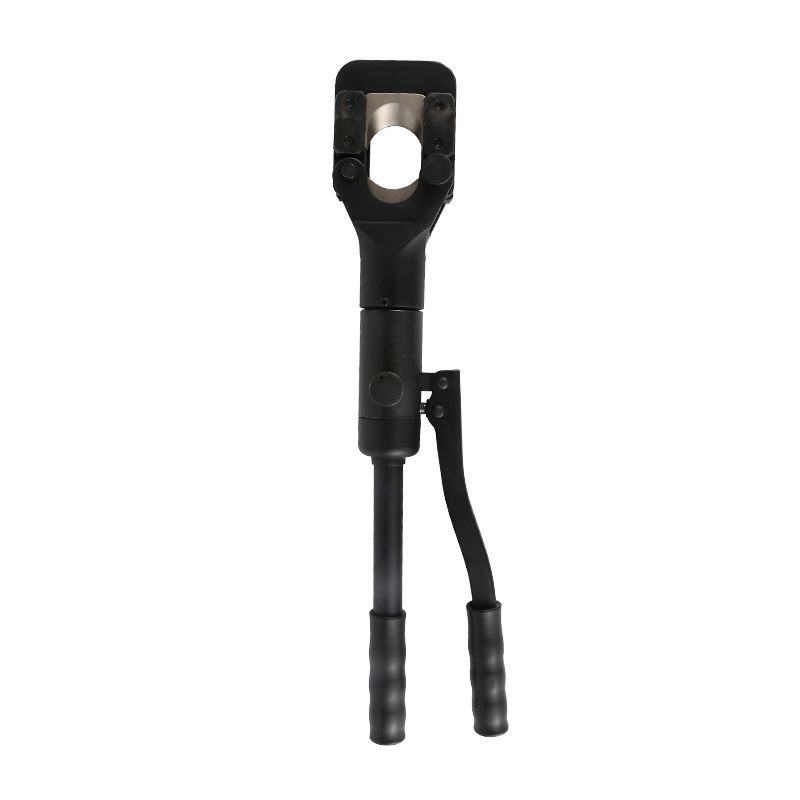
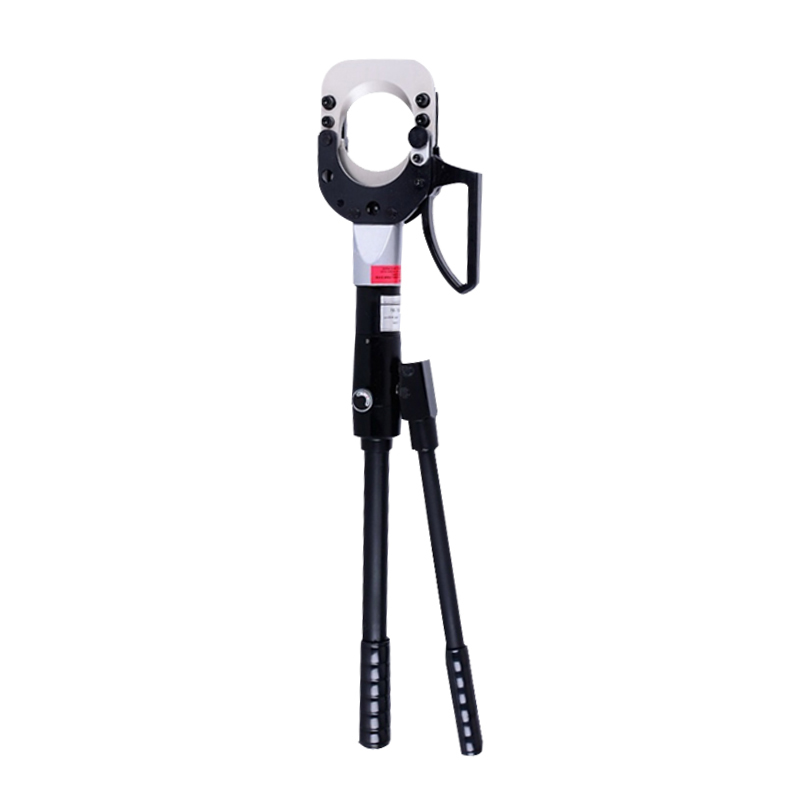
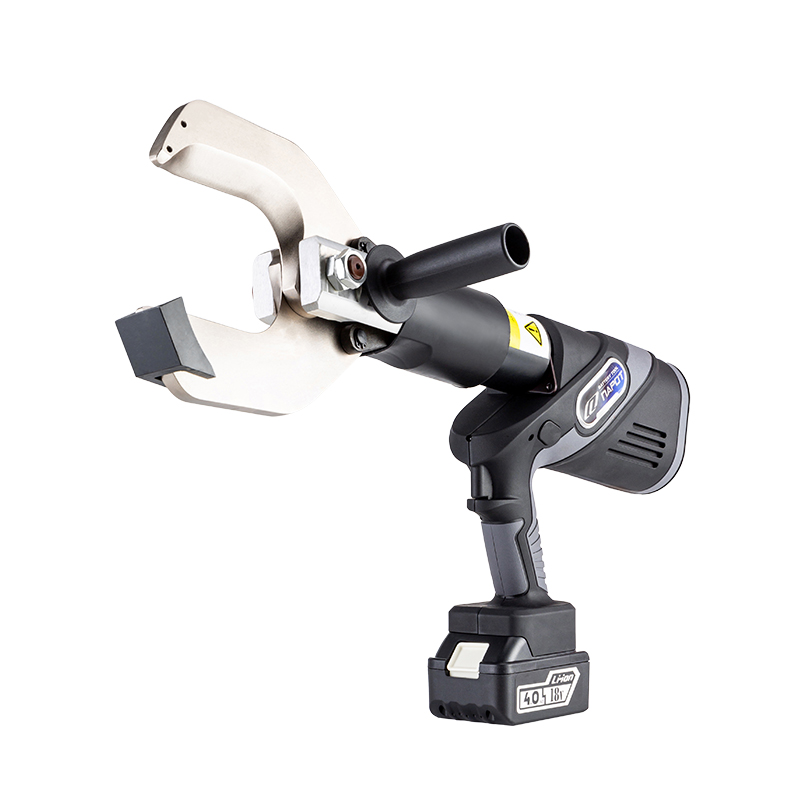
Across power transmission projects, grid upgrades, and renewable energy expansion sites, demand for safer and more efficient conductor handling tools is increasing. Recent search trends such as how to cut ACSR without strand damage, tool for aluminum steel reinforced cable cutting, field cable cutting safety standards, and ACSR Cable Cutter reflect a clear shift in focus: contractors and engineers are prioritizing controlled cutting performance, blade longevity, and operator safety rather than general-purpose tools. As utilities work with higher-voltage lines and thicker composite conductors, tool precision has become a key part of field efficiency and compliance.
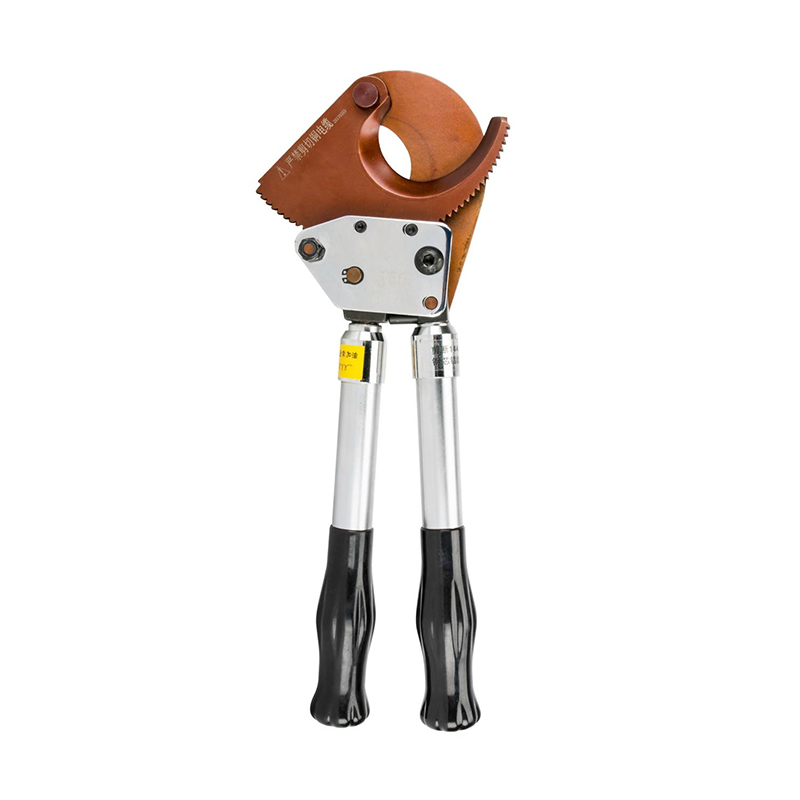
ACSR (Aluminum Conductor Steel Reinforced) cable is structurally different from standard copper or aluminum cables. Its layered design includes steel core strands, which significantly increase cutting resistance.
This creates specific technical challenges:
Because of these factors, general cable cutters are no longer considered suitable for professional grid work.
One of the important factors in ACSR cutting efficiency is blade composition. Industrial-grade cutters typically use heat-treated high-carbon steel or chromium-vanadium alloy to maintain edge stability under repeated stress.
Key measurable design characteristics include:
These specifications directly affect cutting consistency and maintenance intervals.
In transmission line construction and maintenance, operators often work in challenging environments such as towers, substations, or remote terrain. Cutting force efficiency directly affects productivity and safety.
Modern cutter designs focus on:
These improvements are especially important for large-scale grid maintenance projects.
Utility companies and contractors are increasingly required to follow standardized safety protocols. Tools used in field operations must meet electrical and mechanical safety expectations.
Common compliance considerations include:
These requirements are now often included directly in procurement specifications.
Procurement decisions for professional cutting tools are increasingly based on measurable performance and manufacturing consistency rather than visual appearance or price alone.
Key evaluation criteria include:
This helps contractors reduce downtime and improve operational predictability.
ACSR cutting tools are widely used across multiple sectors of electrical infrastructure development and maintenance, including:
Each scenario requires consistent cutting performance under different environmental and load conditions.
As global power systems expand and modernize, demand for reliable field tools will continue to grow alongside infrastructure investment. Future tool development will focus on improved safety design, longer blade life cycles, and more efficient cutting mechanisms for composite conductors.
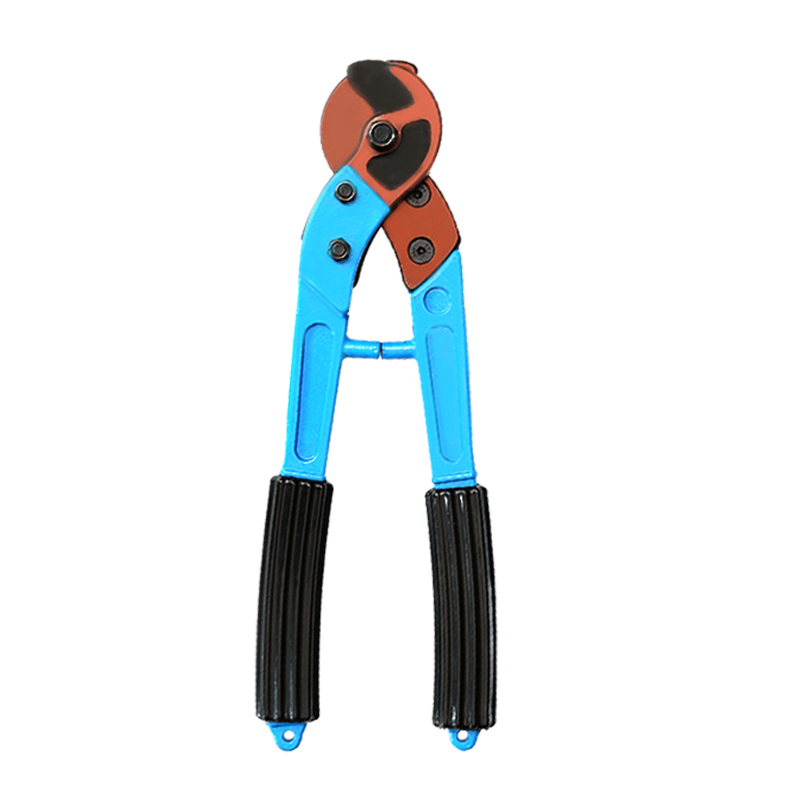
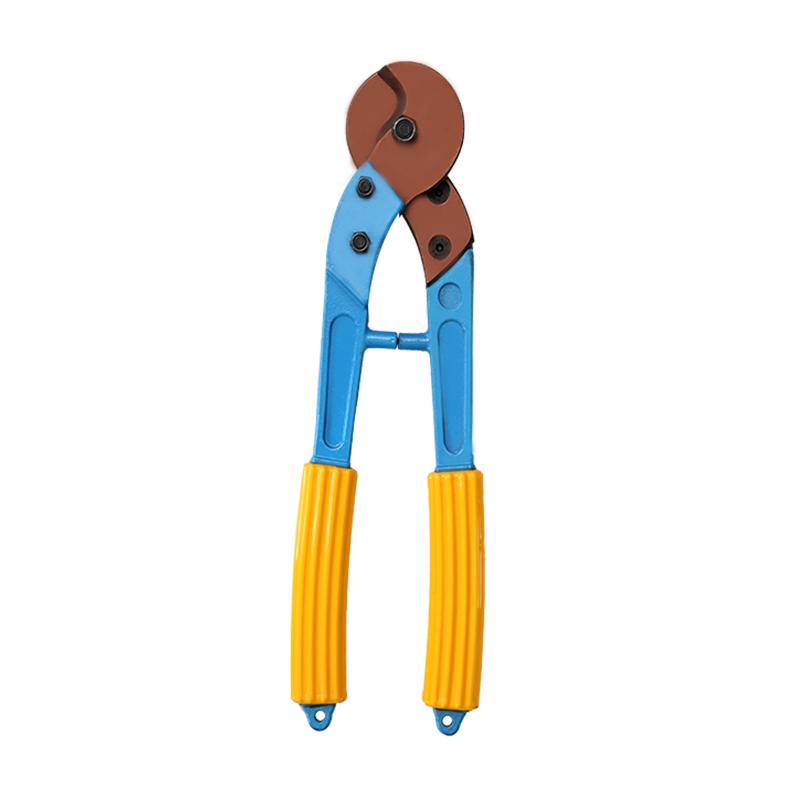
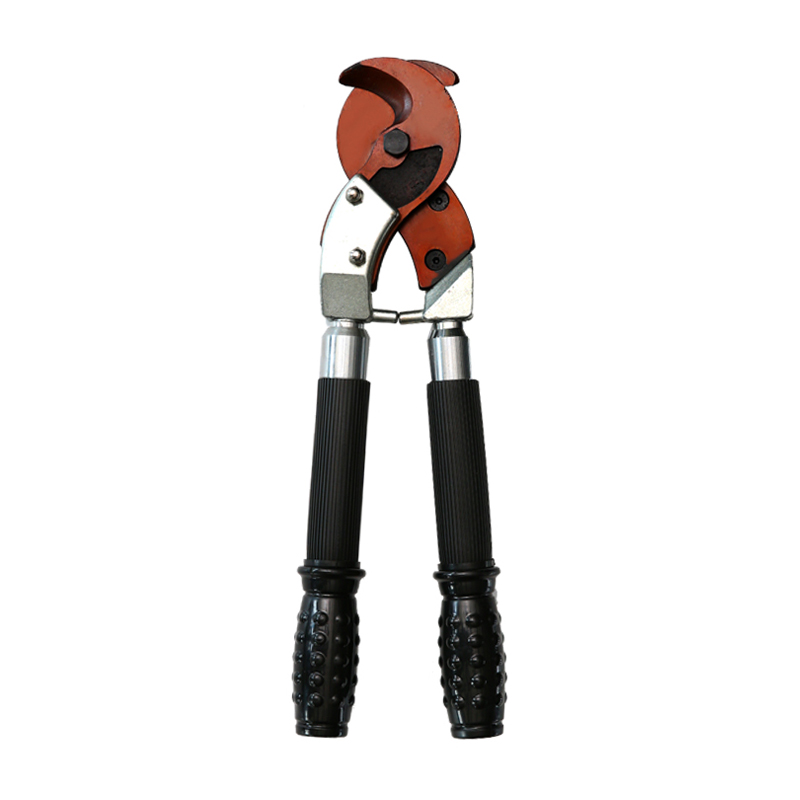
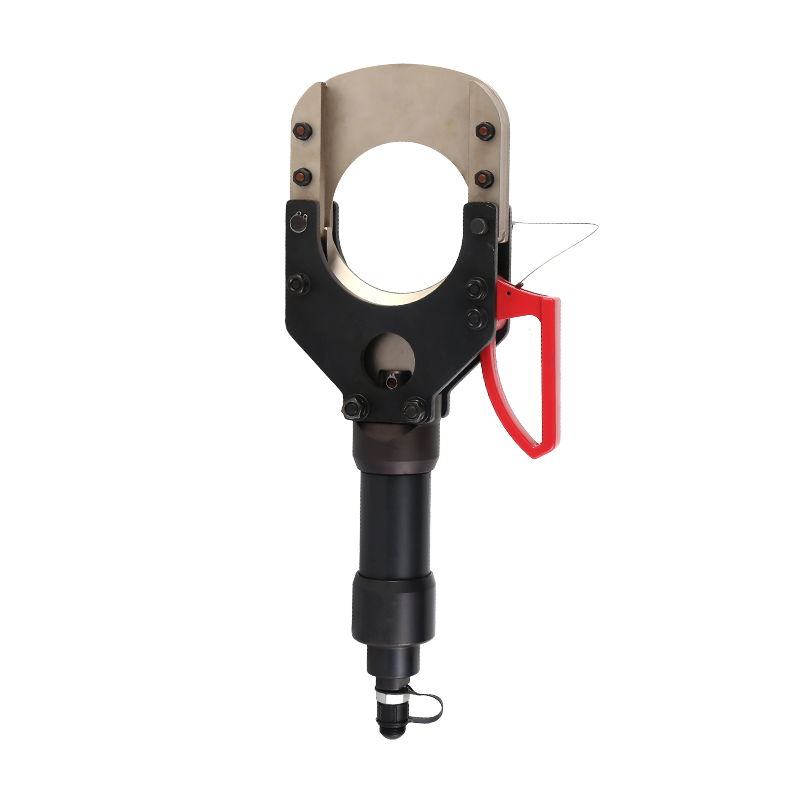
For utility contractors, distributors, and engineering teams, selecting a reliable ACSR Cable Cutter is not just about cutting efficiency—it is about ensuring field safety, reducing maintenance time, and improving overall project execution quality. By working with experienced manufacturers, buyers can achieve more stable performance and safer operations across demanding electrical infrastructure environments.
Recommended Products
Copyright © Taizhou Naibo Machinery Co., Ltd. All Rights Reserved.

Cable Wire Cutting Tool Manufacturer
 English
 Español
 русский
 Français
 Deutsch
 Português