-

-

+86-0576-86655111
-

Wenling , Zhejiang, China
+86-0576-86655111
Wenling , Zhejiang, China

Industry News
 Home / News / Industry News / Can Smarter Installation Tools Improve Efficiency on Modern Construction Sites?
  2026.05.29
 Industry News
Global construction and infrastructure projects are becoming more demanding as contractors face tighter deadlines, rising labor costs, and increasingly complex installation environments. From renewable energy systems to commercial renovation projects, professional users now expect tools to deliver not only durability, but also higher efficiency and improved operator comfort. Across industrial trade fairs and contractor discussions on social media, cordless installation equipment is quickly replacing many traditional manual tools in electrical and plumbing applications.
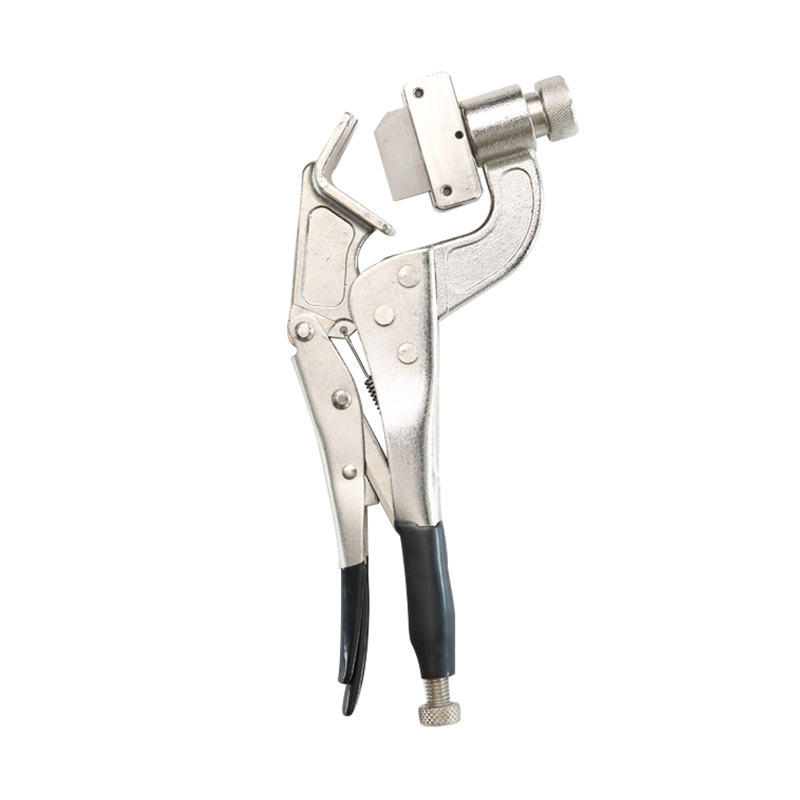
Modern buyers are paying closer attention to portability, precision, and long-term reliability when selecting professional installation equipment for large-scale projects.
For many years, manual installation tools were widely used across electrical wiring and pipe installation industries. However, modern jobsite conditions have exposed several limitations in older tool designs.
Contractors often encounter issues such as:
As renewable energy infrastructure and industrial automation projects continue expanding worldwide, installers increasingly require tools capable of handling more demanding workloads with greater operational consistency.
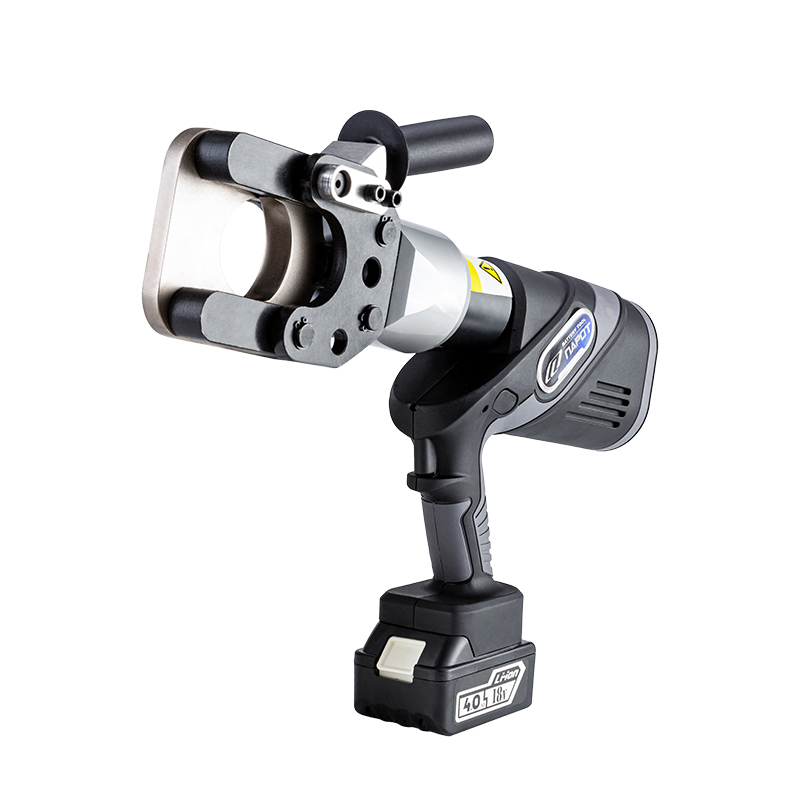
Battery-powered installation equipment has become one of the fastest-growing trends in the professional tools industry. Contractors now prefer cordless systems because they provide greater flexibility in outdoor construction sites, maintenance environments, and high-mobility operations.
Compared with conventional manual equipment, cordless tools offer several practical advantages:
These advantages are especially valuable in electrical and plumbing projects where technicians often work across multiple installation points within a single day.
Modern installation projects require higher standards for cutting accuracy and operational reliability. In electrical systems, poor stripping precision can damage wire conductors and affect connection stability. In plumbing applications, inaccurate pipe processing may create sealing or installation problems.
To improve performance, professional installation tools are increasingly designed with:
These design improvements help increase operational consistency while supporting long-term industrial usage.
Professional installation tools are no longer limited to traditional construction environments. Demand is growing rapidly across sectors such as:
As smart buildings and renewable energy systems continue developing, contractors require tools that can support efficient installation while maintaining stable performance under varying environmental conditions.
International buyers are becoming more selective when choosing tool suppliers. Beyond pricing, procurement teams increasingly evaluate manufacturers based on production stability, product durability, and OEM customization capability.
Reliable manufacturing management helps overseas buyers maintain stable product supply and reduce long-term procurement risks.
The professional tools industry is moving toward lighter structures, smarter battery systems, and more efficient ergonomic design. Contractors are looking for products that reduce labor intensity while improving workflow efficiency on demanding jobsites.
As infrastructure modernization and renewable energy projects continue expanding globally, portable and precision-engineered installation tools are expected to play an increasingly important role across industrial markets.
In conclusion, changing construction environments and rising efficiency requirements are accelerating demand for advanced professional tools worldwide. As contractors continue prioritizing operational flexibility and installation precision, reliable Battery Pipe Plumbing Tool systems and durable Heavy Duty Cable Stripper solutions are expected to remain important products in the global construction and industrial equipment market.
Recommended Products
Copyright © Taizhou Naibo Machinery Co., Ltd. All Rights Reserved.

Cable Wire Cutting Tool Manufacturer
 English
 Español
 русский
 Français
 Deutsch
 Português