-

-

+86-0576-86655111
-

Wenling , Zhejiang, China
+86-0576-86655111
Wenling , Zhejiang, China

Industry News
 Home / News / Industry News / Modern Job Sites Are Changing Fast—Are Traditional Cutting and Plumbing Tools Still Enough?
  2026.06.05
 Industry News
Across construction, maintenance, and industrial installation sectors, work environments are becoming more compact, time-sensitive, and efficiency-driven. Contractors are increasingly expected to complete tasks faster, with fewer tools, and in tighter working conditions—especially in retrofit plumbing, electrical routing, and confined-space installations.
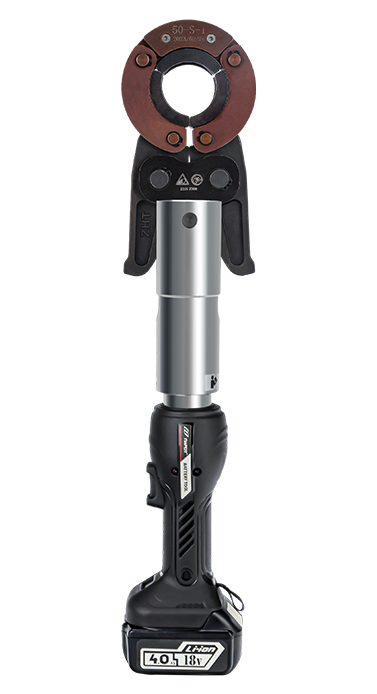
Recent search trends from overseas professionals highlight growing demand for terms like “one-hand wire cutting tool for electricians,” “battery powered pipe cutting tool for tight space plumbing,” and “compact maintenance tools for confined installation areas.” These reflect a clear shift toward portable, multi-functional tools that reduce labor time and physical strain on-site.
Modern construction projects often involve working in restricted environments such as wall cavities, ceiling systems, underground utility tunnels, and industrial machinery compartments. Traditional hand tools are often difficult to operate efficiently in these conditions.
Common job-site challenges include:
As a result, contractors are shifting toward compact mechanical assistance tools that reduce manual effort while improving precision.
In electrical installation and mechanical assembly work, wire preparation is one of the repetitive tasks. Manual cutting tools often require repeated force application, which slows down workflow in large-scale projects.
Typical issues reported by field workers:
This has increased demand for improved cutting mechanisms designed to maintain consistent force output with reduced operator strain.
The construction and plumbing industry is undergoing a gradual transition toward battery-powered equipment. This shift is driven by mobility requirements and the need for faster job completion without relying on external power sources.
Key advantages include:
In plumbing applications, this trend is especially visible in pipe trimming, fitting preparation, and retrofit maintenance work where mobility is essential.
Contractors are increasingly looking for tools that can perform multiple functions rather than carrying separate devices for each task. This is particularly important for mobile maintenance teams and small installation crews.
Common expectations include:
This approach helps reduce tool bag weight while improving job speed in fast-paced environments.
Worker fatigue and repetitive strain injuries are becoming a serious concern in construction and maintenance industries. Procurement decisions now often consider tool ergonomics alongside performance specifications.
Key ergonomic considerations include:
Improved ergonomics not only enhances worker comfort but also contributes to higher productivity across long shifts.
Field engineers and maintenance teams prioritize tools that can withstand frequent use without performance degradation. Downtime caused by tool failure directly impacts project schedules.
Common buyer priorities:
Reliable tools are now seen as an operational investment rather than a short-term purchase.
As job sites become more complex and time-sensitive, compact powered tools are replacing traditional manual equipment across multiple industries. This includes plumbing, electrical installation, HVAC maintenance, and industrial repair.
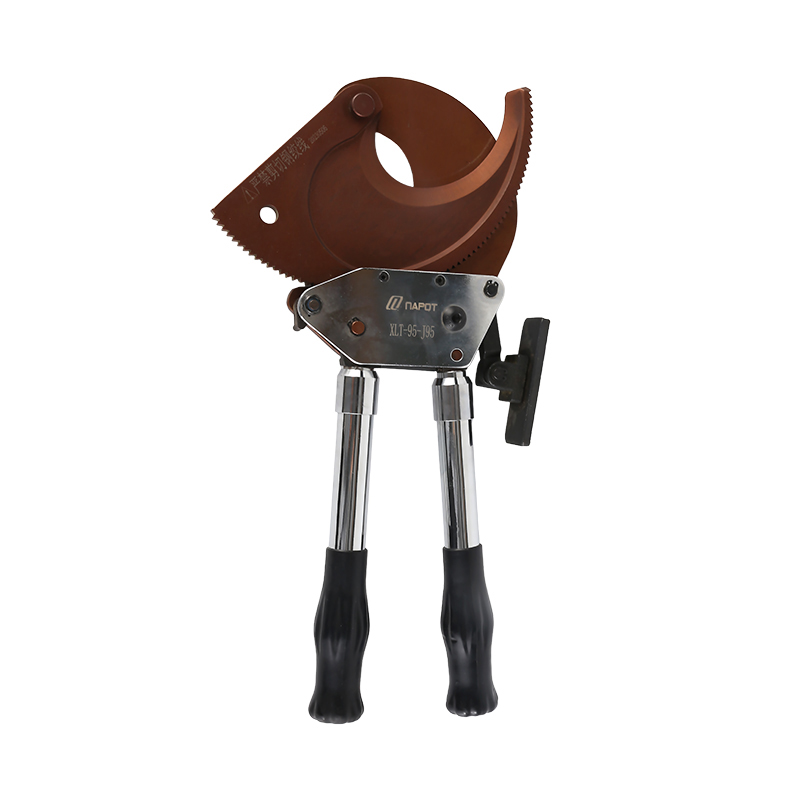
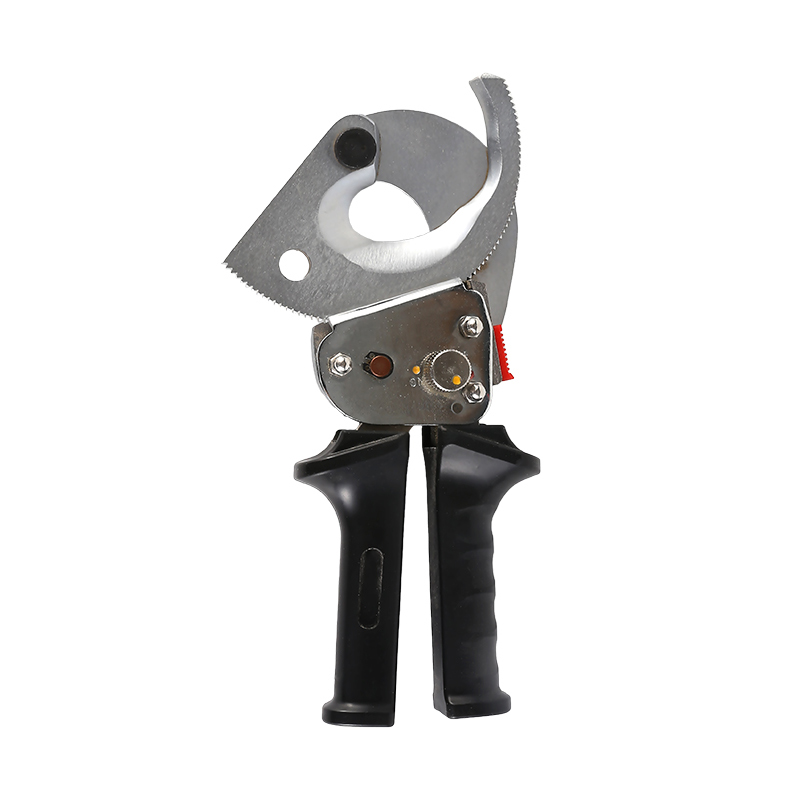
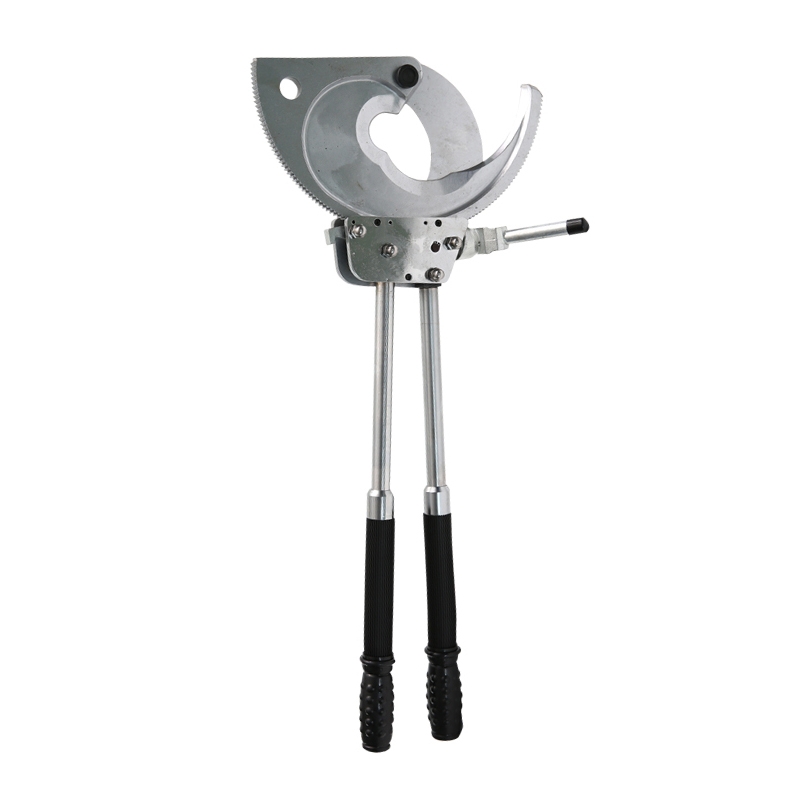
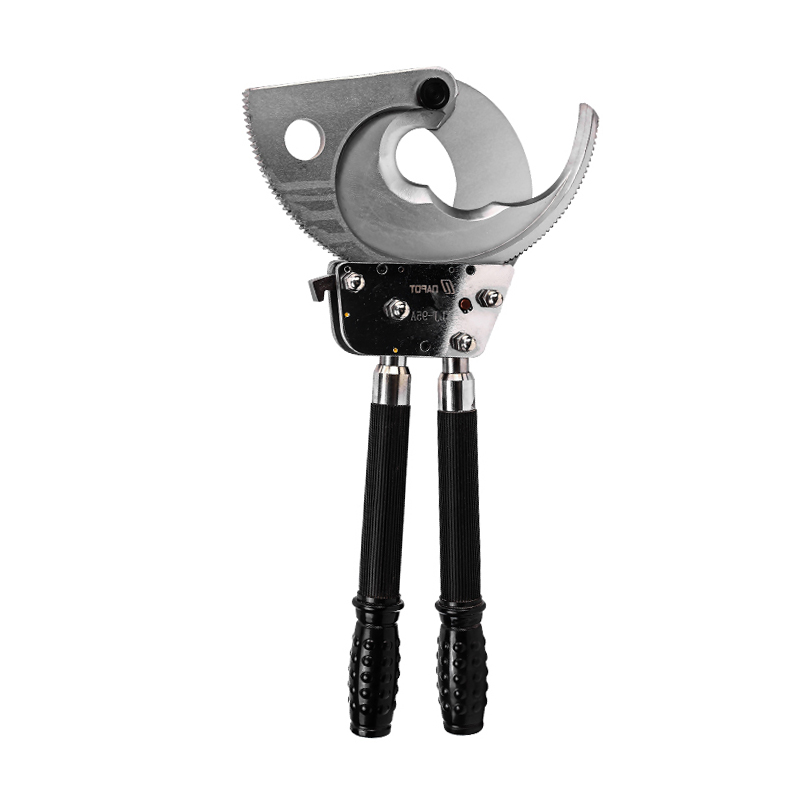
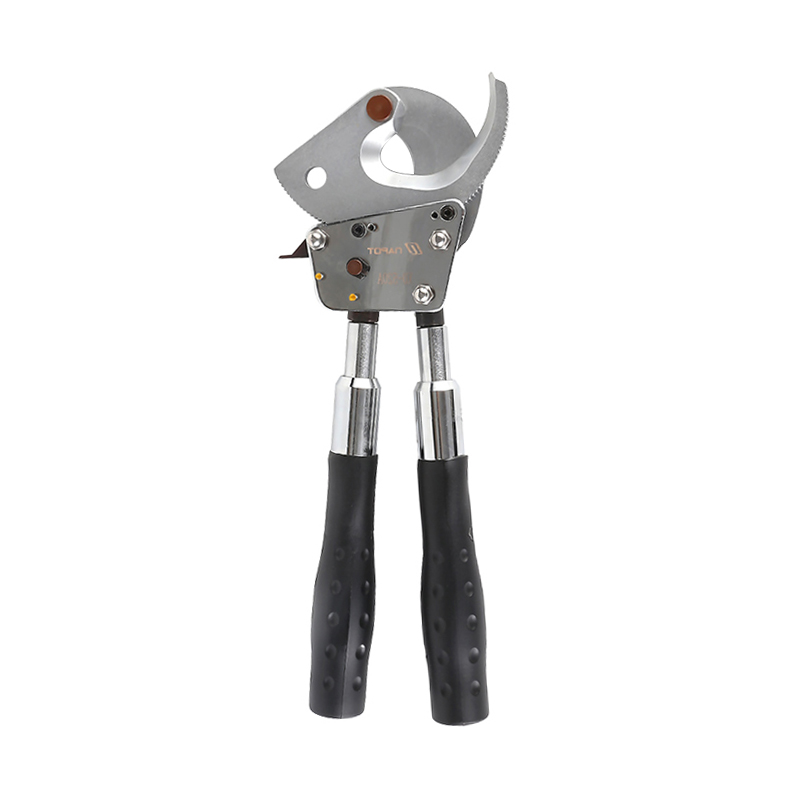
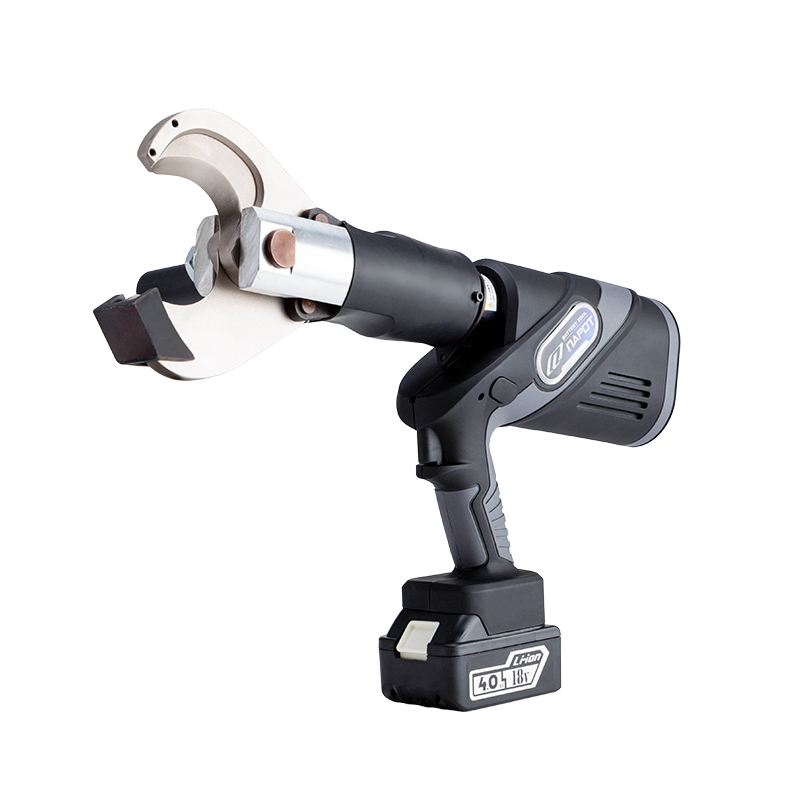
In this evolving market, tools like Ratchet Wire Scissor systems and Battery Pipe Plumbing Tool solutions are increasingly adopted to improve cutting precision, reduce operator fatigue, and enhance overall job efficiency in modern field applications.
Recommended Products
Copyright © Taizhou Naibo Machinery Co., Ltd. All Rights Reserved.

Cable Wire Cutting Tool Manufacturer
 English
 Español
 русский
 Français
 Deutsch
 Português