-

-

+86-0576-86655111
-

Wenling , Zhejiang, China
+86-0576-86655111
Wenling , Zhejiang, China

Industry News
 Home / News / Industry News / How Are Field Technicians Improving Installation Speed with Smarter Handheld Tool Design?
  2026.06.19
 Industry News
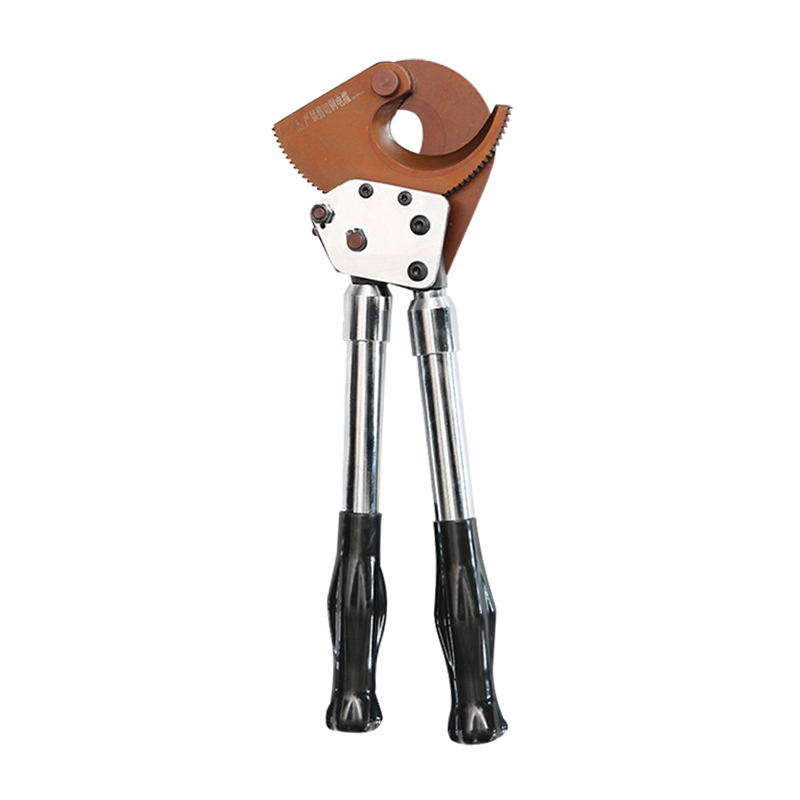
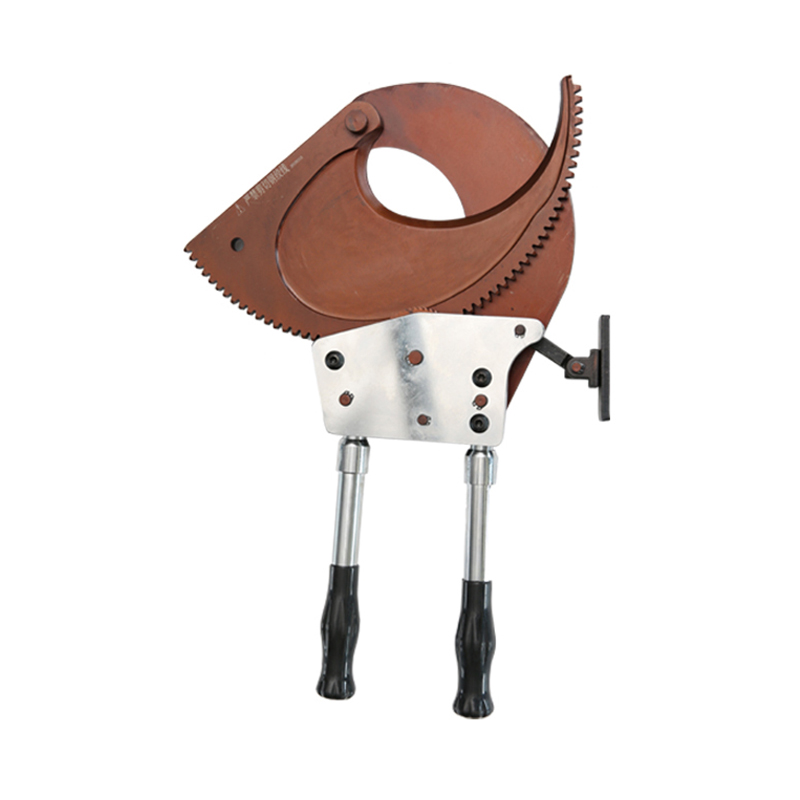
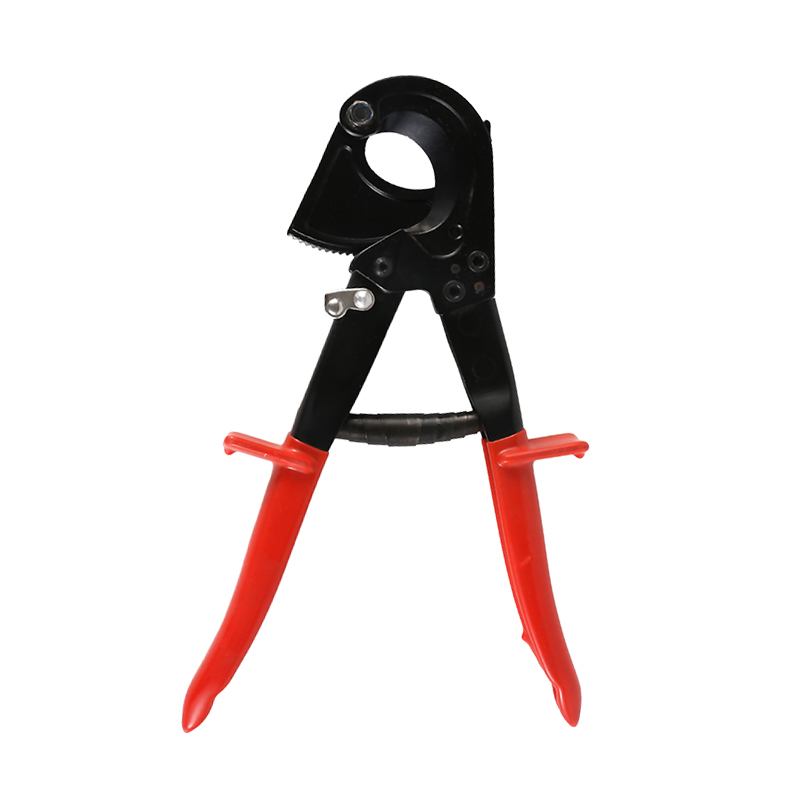
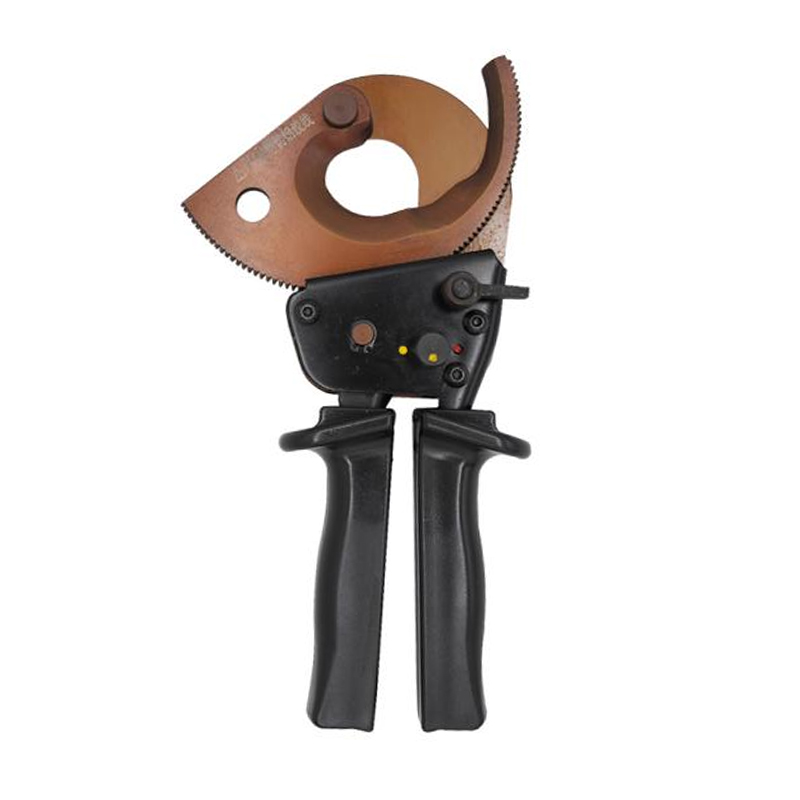
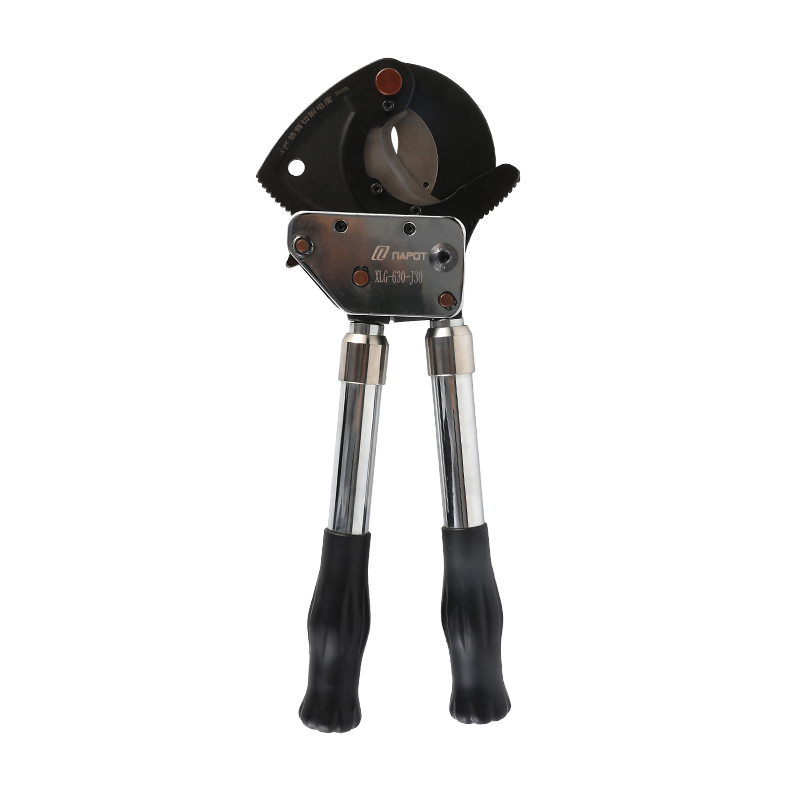
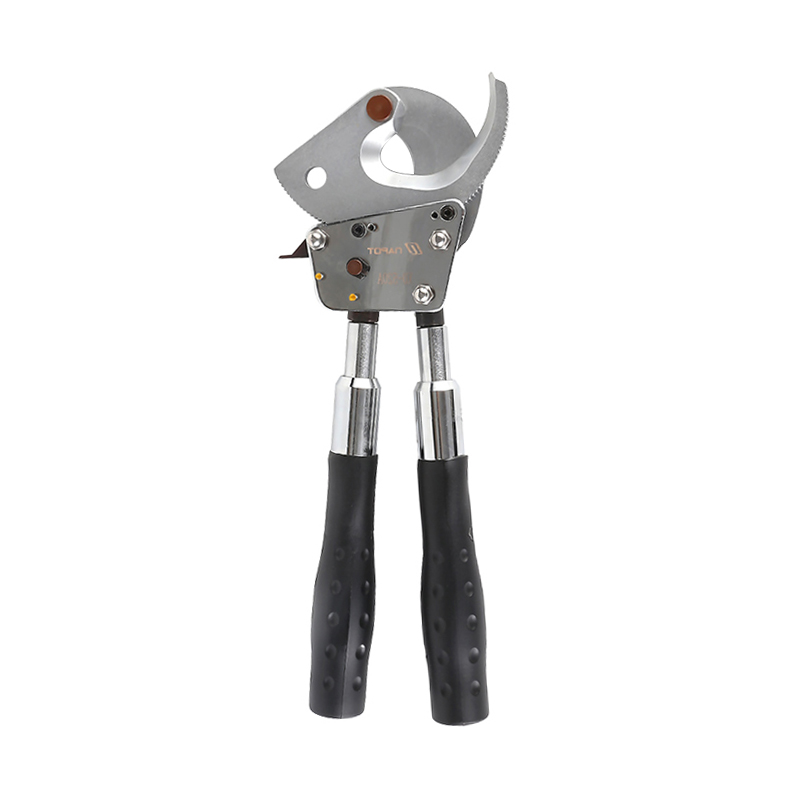
Across global construction, electrical maintenance, and plumbing installation industries, field teams are under constant pressure to complete projects faster without sacrificing accuracy or safety. This has led to a noticeable shift in tool purchasing behavior, where buyers are prioritizing efficiency, portability, and multi-function capability over traditional single-purpose tools. In this environment, the Ratchet Wire Scissor has become increasingly relevant for professionals dealing with repetitive cutting and stripping tasks in tight or hard-to-reach spaces.
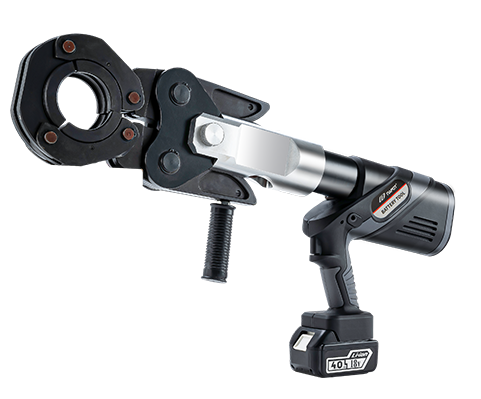
Recent discussions in overseas contractor communities and maintenance forums show that professionals are actively searching for tools that reduce hand fatigue, improve cutting consistency, and adapt to multiple material types without frequent tool changes.
Construction timelines are becoming shorter, and labor costs are increasing in many regions. As a result, contractors are focusing on tools that help reduce task completion time while maintaining precision.
Procurement teams now evaluate tools based on:
This shift is especially visible in electrical wiring, HVAC installation, and industrial maintenance projects where even small efficiency gains can significantly impact overall project scheduling.
Ergonomics has become a major factor in professional tool selection. Field technicians often work in constrained environments such as ceilings, equipment rooms, or underground installations, where tool handling directly affects accuracy.
Key ergonomic concerns include:
Manufacturers are responding by refining handle design, balancing weight distribution, and improving mechanical smoothness to reduce operator fatigue.
Instead of carrying multiple specialized tools, many professionals now prefer integrated solutions that can handle several tasks efficiently. This reduces both equipment load and transition time between operations.
In practical field applications, technicians are looking for tools that can:
This trend is particularly strong in electrical installation projects where wiring density and complexity continue to increase.
Battery integration has become a key innovation in modern handheld tools. It allows technicians to work faster and more consistently, especially in environments where manual force alone is inefficient or tiring.
Engineers and procurement teams are now prioritizing:
In many modern job sites, battery-powered tools are no longer optional—they are becoming standard equipment for professional crews.
Plumbing and pipe installation work often involves confined environments and irregular working angles, making traditional tools less efficient. Contractors are increasingly seeking tools that improve accessibility and reduce installation time.
Common field requirements include:
These needs are pushing manufacturers to redesign tools with better adaptability and stronger mechanical consistency.
From a production standpoint, tool development is increasingly influenced by real jobsite feedback. Buyers are no longer satisfied with laboratory performance alone—they expect tools to perform reliably under actual working conditions.
Typical OEM/ODM expectations include:
This reflects a broader industry shift toward application-driven product engineering rather than standard catalog-based supply.
As construction and maintenance industries continue to evolve, tool selection is becoming a strategic decision tied directly to productivity, labor efficiency, and jobsite safety. Professionals are increasingly choosing solutions that reduce workload while improving accuracy and speed.
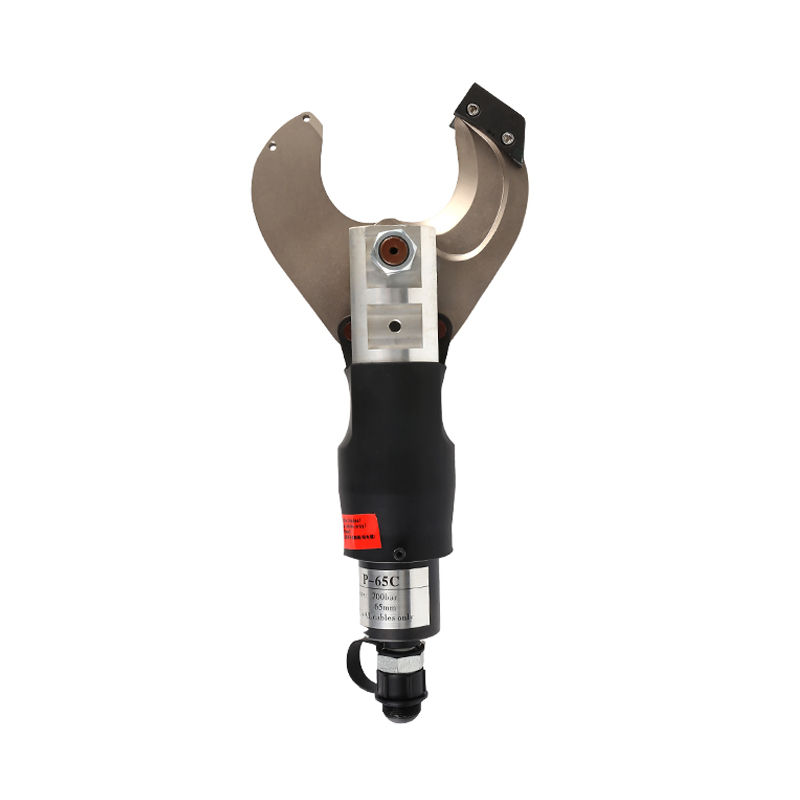
In this changing landscape, demand continues to rise for practical and efficient solutions such as Battery Pipe Plumbing Tool, especially in applications where mobility, precision, and multi-function capability are essential for modern field operations.
Recommended Products
Copyright © Taizhou Naibo Machinery Co., Ltd. All Rights Reserved.

Cable Wire Cutting Tool Manufacturer
 English
 Español
 русский
 Français
 Deutsch
 Português