-

-

+86-0576-86655111
-

Wenling , Zhejiang, China
+86-0576-86655111
Wenling , Zhejiang, China

Industry News
 Home / News / Industry News / Why Are Modern Contractors Switching to Multi-Function Portable Tools for Field Efficiency?
  2026.06.12
 Industry News
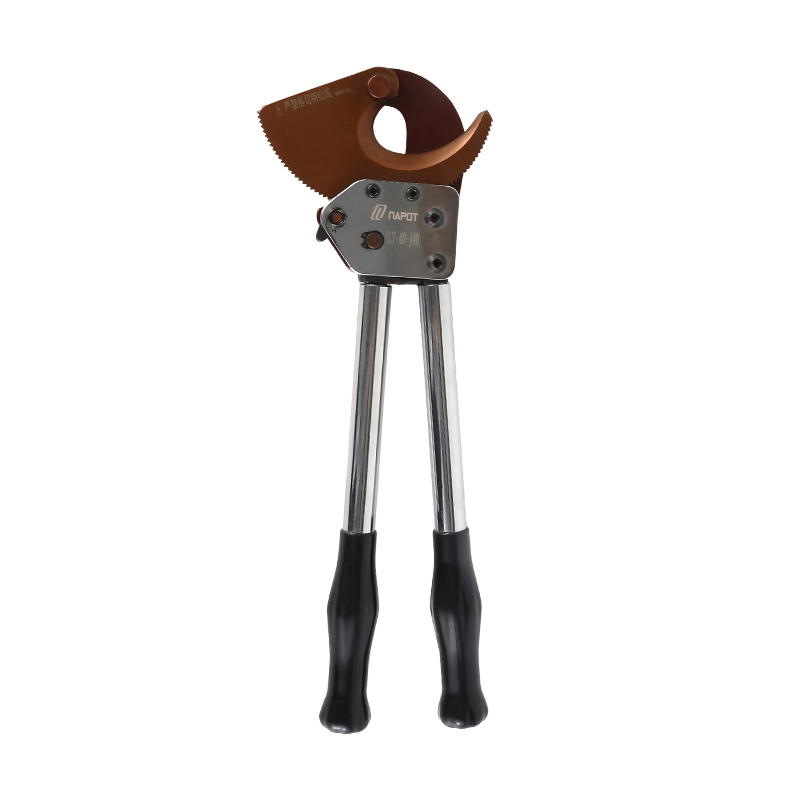
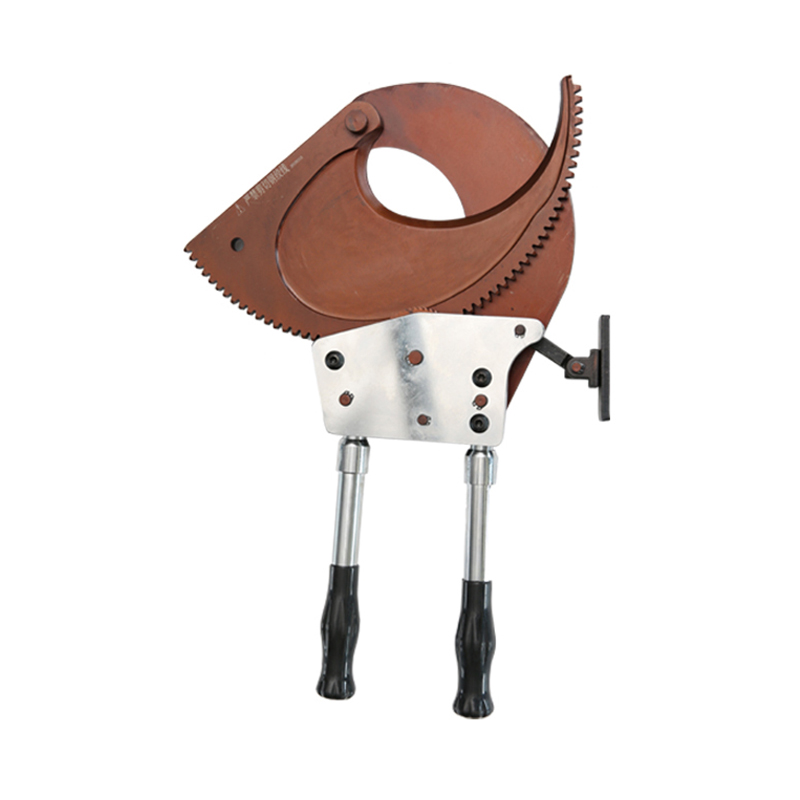
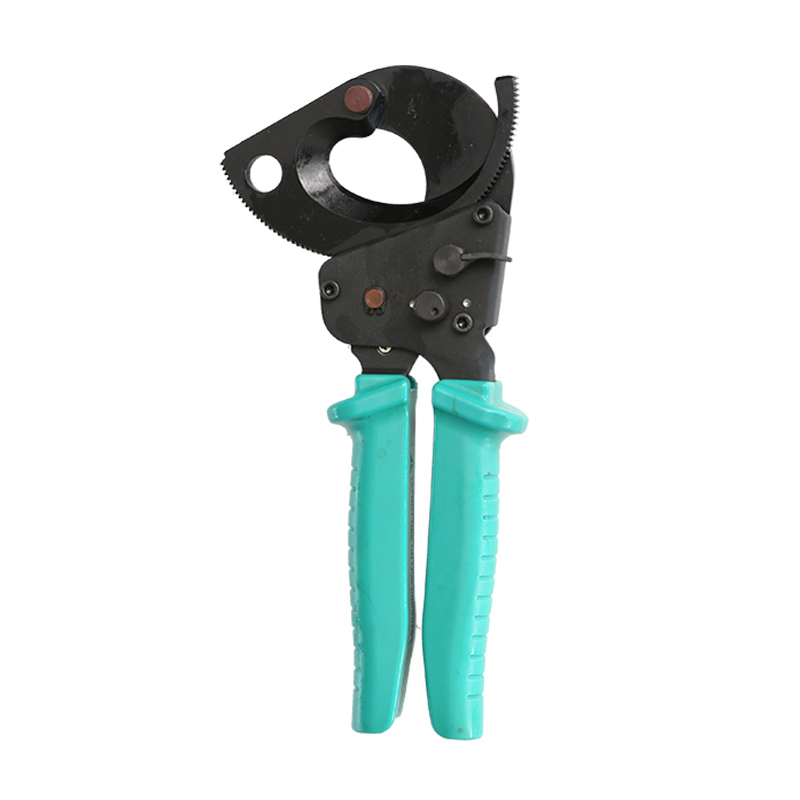
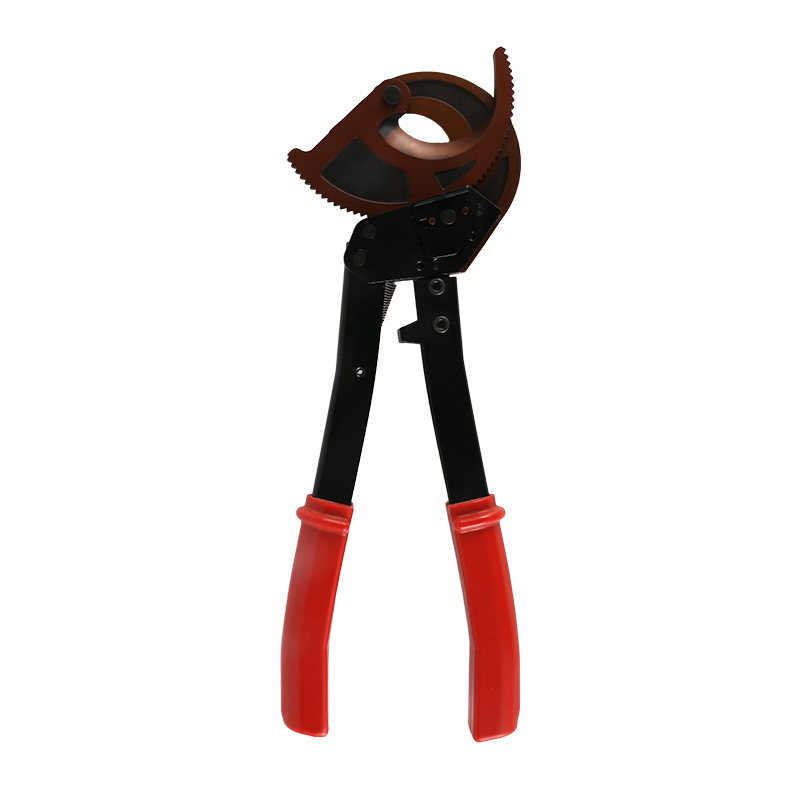
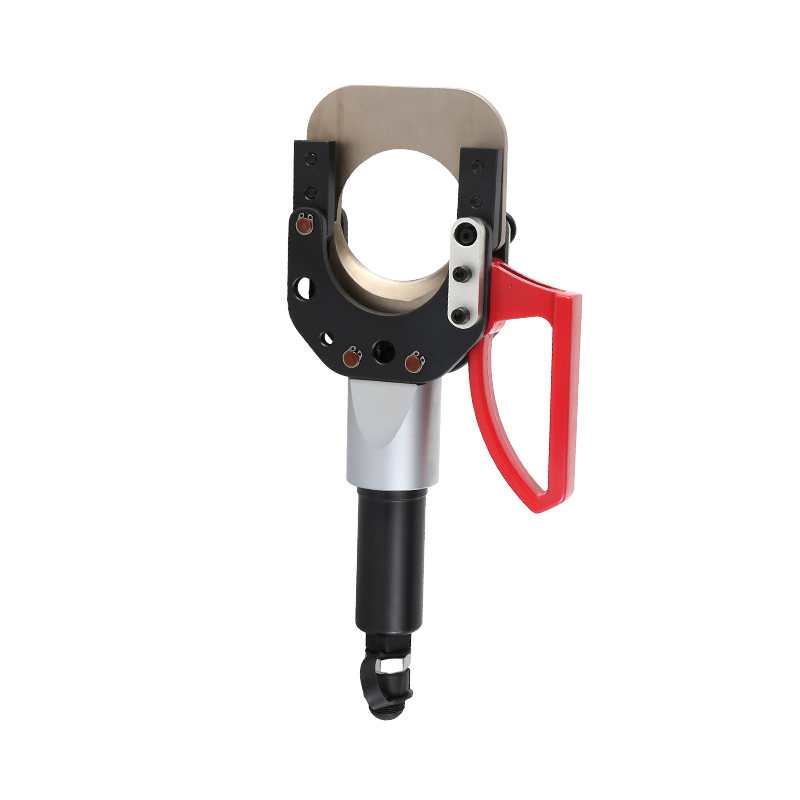
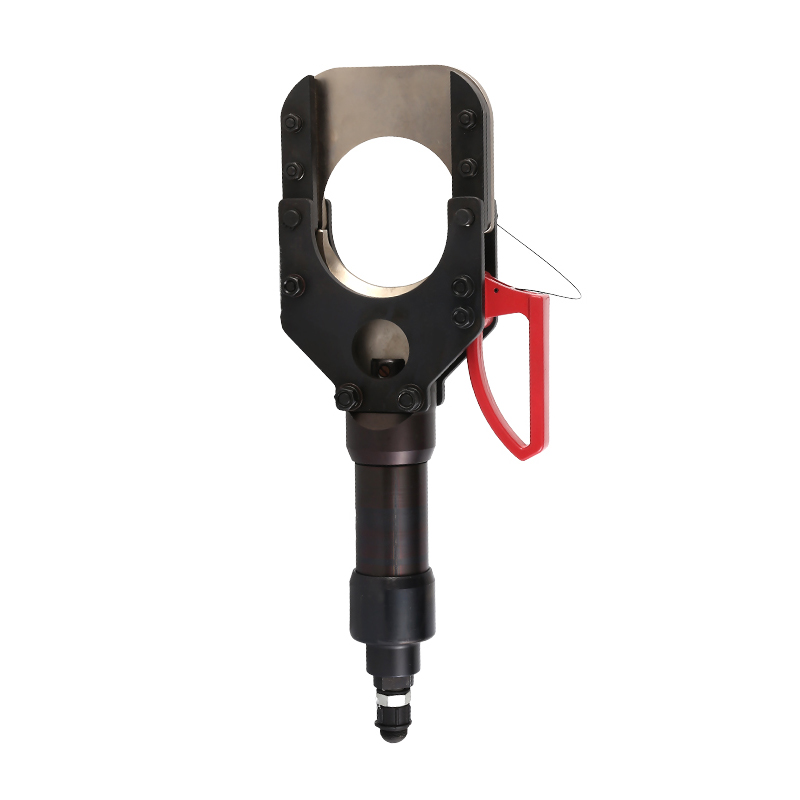
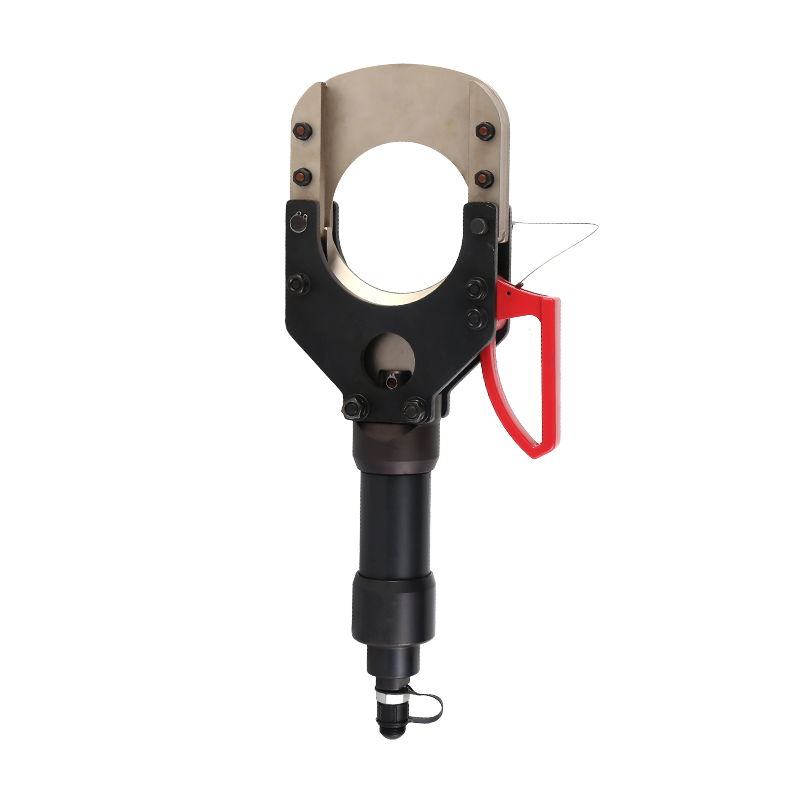
Across global construction, electrical installation, and plumbing maintenance sectors, professionals are increasingly prioritizing portability, multi-function capability, and reduced labor time. Field engineers and procurement teams are actively searching for tools that can handle cutting, tightening, stripping, and pipe handling tasks without requiring multiple separate devices. In this context, the demand for Ratchet Wire Scissor has grown, especially among technicians working in tight spaces where precision and speed are equally important.
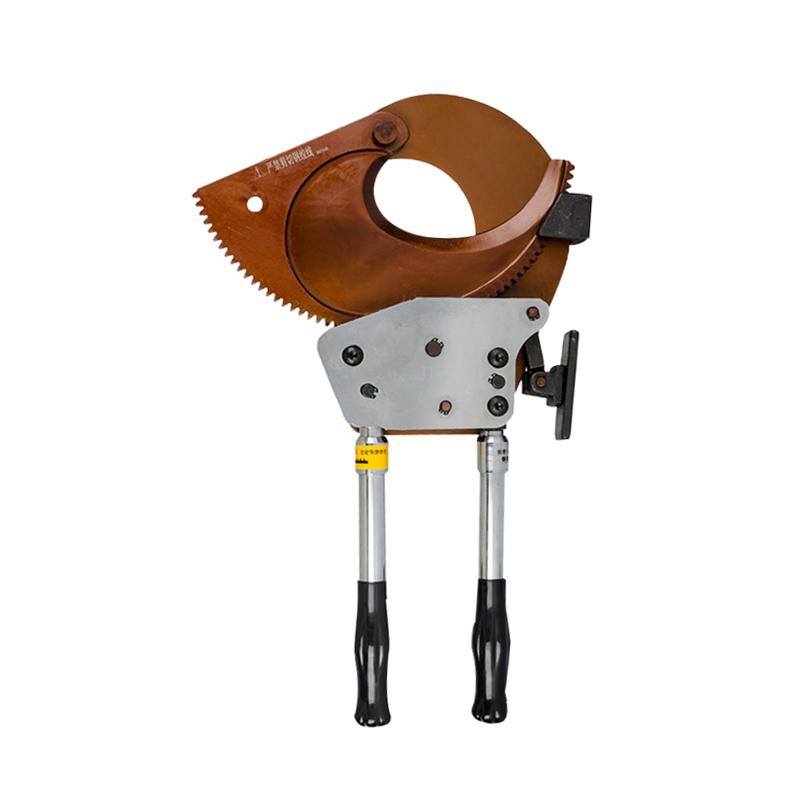
Recent industry discussions show that buyers are no longer only focused on tool price or basic durability—they are evaluating ergonomics, battery efficiency, and real-world jobsite adaptability.
Modern construction and maintenance environments are becoming faster-paced and more complex. Workers are expected to complete installations in shorter timeframes while maintaining safety and precision standards.
As a result, procurement teams are prioritizing tools that can:
This shift is particularly strong in electrical wiring, HVAC installation, and industrial maintenance projects where time savings directly impact project profitability.
One of the discussed topics among field engineers is user fatigue. Long working hours with traditional hand tools often advance to reduced accuracy and physical strain.
Buyers are now evaluating:
These ergonomic considerations are becoming essential requirements in tender specifications, especially for large contractors managing multiple jobsite teams.
Electrical and mechanical installation work increasingly demands precision tools designed for specific materials and working conditions. Generic tools often fail to provide consistent results when handling different wire gauges or insulation types.
In practice, engineers are focusing on:
This is driving demand for more engineered cutting solutions rather than traditional manual scissors or pliers.
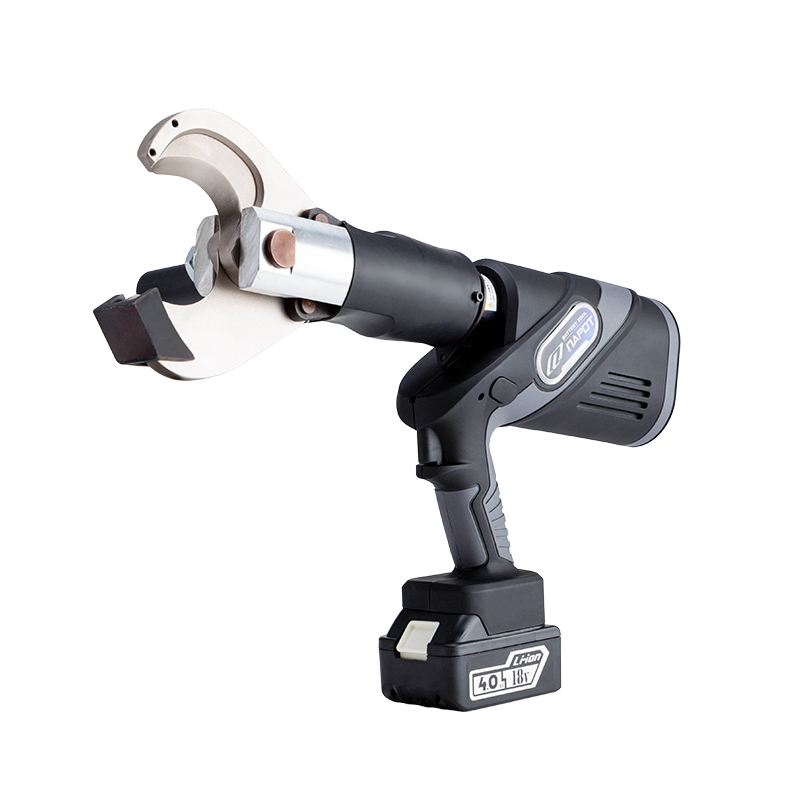
A major trend in professional tool development is the integration of rechargeable power systems. Battery-powered tools are now widely used in plumbing, electrical, and construction environments where mobility is critical.
Key advantages include:
In many modern job sites, battery integration is becoming a standard requirement rather than an optional feature.
Plumbing systems often involve installation in narrow or hard-to-access areas, such as under sinks, inside walls, or industrial piping systems. Traditional tools can be difficult to maneuver in these environments.
Engineers and contractors are increasingly looking for tools that offer:
This is especially relevant in maintenance-heavy industries such as facility management and industrial plant servicing.
From a manufacturing perspective, the market is clearly shifting toward integrated tool systems rather than single-purpose equipment. Buyers expect one tool platform to handle multiple tasks efficiently without compromising durability.
Common OEM/ODM requests include:
This reflects a broader industry trend toward reducing toolkits while increasing operational flexibility.
As global industries continue to emphasize efficiency, portability, and precision, professional tool selection is becoming more strategic. Contractors are no longer choosing tools based solely on tradition but on real jobsite performance and long-term usability.
In this evolving environment, demand continues to grow for versatile solutions such as Battery Pipe Plumbing Tool, especially in applications where mobility, speed, and multi-function performance directly impact productivity.
Recommended Products
Copyright © Taizhou Naibo Machinery Co., Ltd. All Rights Reserved.

Cable Wire Cutting Tool Manufacturer
 English
 Español
 русский
 Français
 Deutsch
 Português