-

-

+86-0576-86655111
-

Wenling , Zhejiang, China
+86-0576-86655111
Wenling , Zhejiang, China

Industry News
 Home / News / Industry News / What’s Driving the Shift Toward Faster and Safer Wire and Pipe Installation Tools?
  2026.06.26
 Industry News
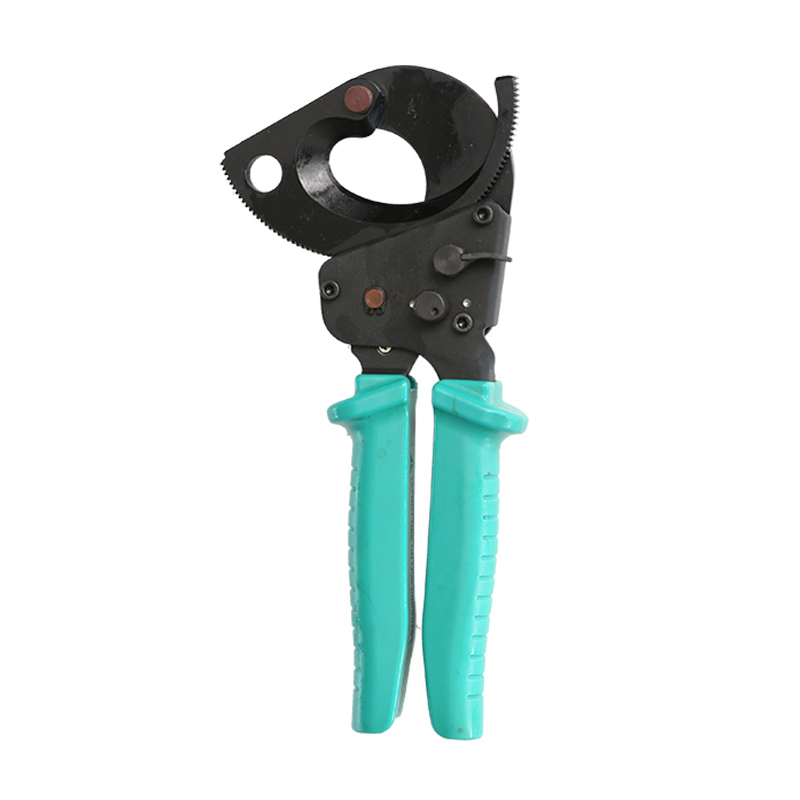
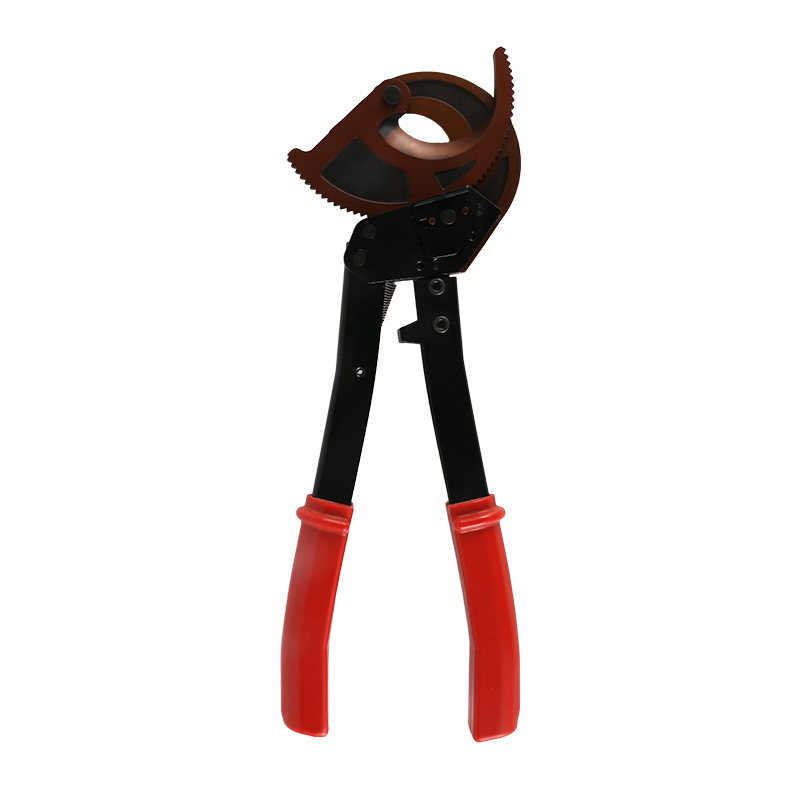
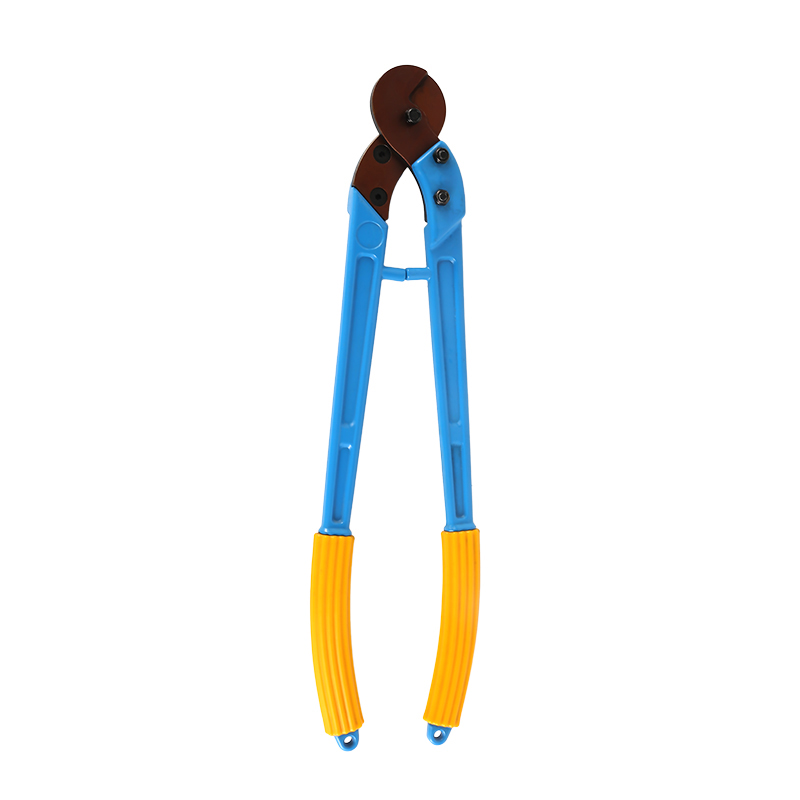
Global construction, electrical installation, and facility maintenance industries are entering a phase where efficiency is no longer optional—it is a baseline requirement. Contractors and procurement teams are increasingly focused on reducing installation time, minimizing rework, and improving worker safety in the field. This has led to a growing demand for compact, high-efficiency tools designed for real-world jobsite conditions. Among them, the Ratchet Wire Scissor is gaining attention for its ability to improve cutting precision while reducing operator fatigue during repetitive tasks.
Recent search trends from overseas contractors show rising interest in tools that combine cutting performance, ergonomic handling, and adaptability across different materials used in wiring and light fabrication work.
Construction timelines are tightening globally, especially in commercial building projects and industrial facility upgrades. Contractors are now judged not only on quality but also on delivery speed.
To stay competitive, teams are prioritizing tools that:
This shift is particularly visible in electrical wiring and HVAC installation projects where repetitive cutting tasks can significantly affect overall productivity.
Safety regulations and internal site standards have become stricter across many regions. Improper tool handling or fatigue-related mistakes are now recognized as major risk factors in jobsite incidents.
As a result, engineers and supervisors are paying attention to:
These considerations are reshaping how professional-grade tools are designed and selected.
Jobsite efficiency is closely linked to tool portability. Technicians often carry multiple tools, which increases both physical load and task switching time. To address this, many contractors are shifting toward compact, multi-use solutions.
In real applications, they expect tools that can:
This trend is especially strong in retrofit projects where access space is limited and installation conditions are unpredictable.
Modern construction environments involve a wide range of materials—from soft copper wiring to reinforced insulation layers. Traditional tools often struggle to maintain consistent performance across these variations.
Procurement teams are now focusing on tools that deliver:
This is pushing manufacturers to improve blade structure, hardness treatment, and mechanical transmission design.
In plumbing and pipe installation environments, technicians frequently work in narrow, awkward, or low-visibility spaces. Manual tools alone often slow down installation or increase physical strain.
Battery-powered solutions are increasingly preferred because they offer:
This is particularly important in industrial plant maintenance and building services where downtime must be minimized.
From a manufacturing perspective, product development is becoming more field-driven than ever before. Real-world feedback from contractors is now shaping design improvements more directly than laboratory testing alone.
Typical OEM/ODM expectations include:
This reflects a broader industry transition toward application-specific tool engineering.
As global industries continue to prioritize speed, safety, and labor efficiency, professional tool selection is evolving into a strategic decision rather than a routine purchase. Contractors are increasingly focused on solutions that improve real jobsite performance while reducing operational strain.
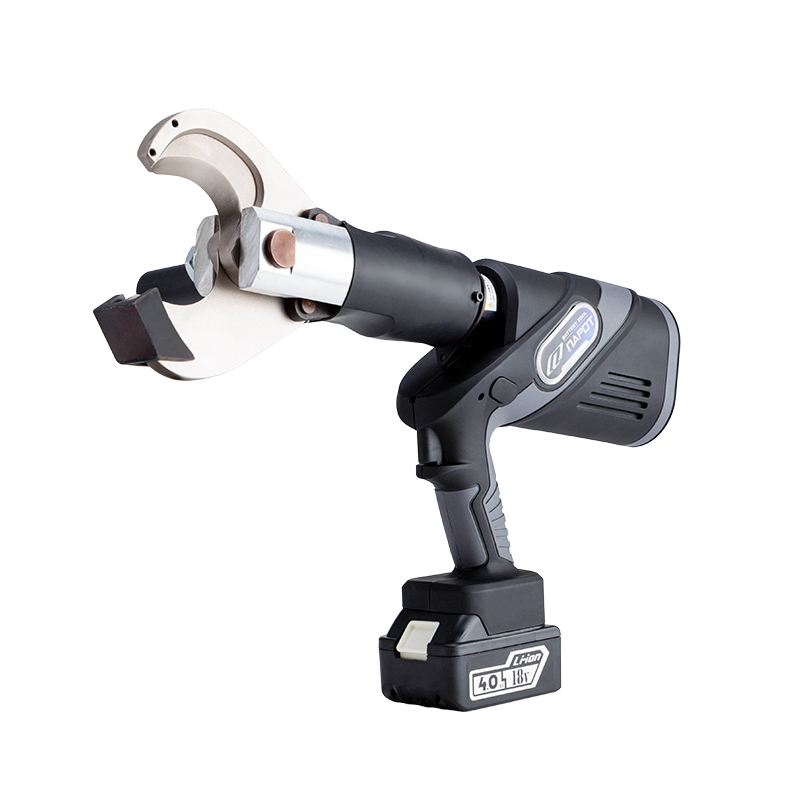
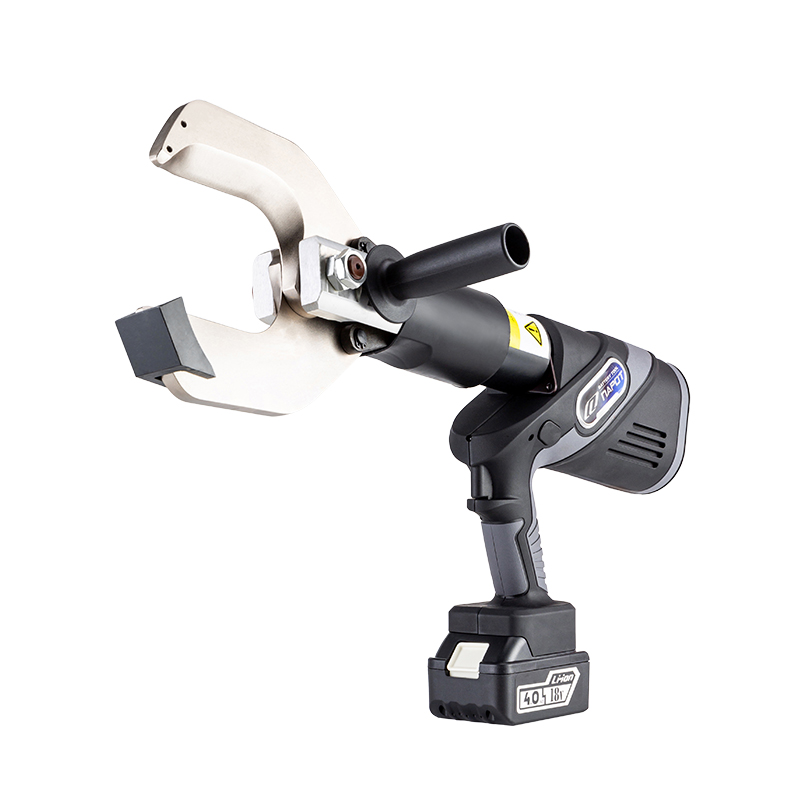
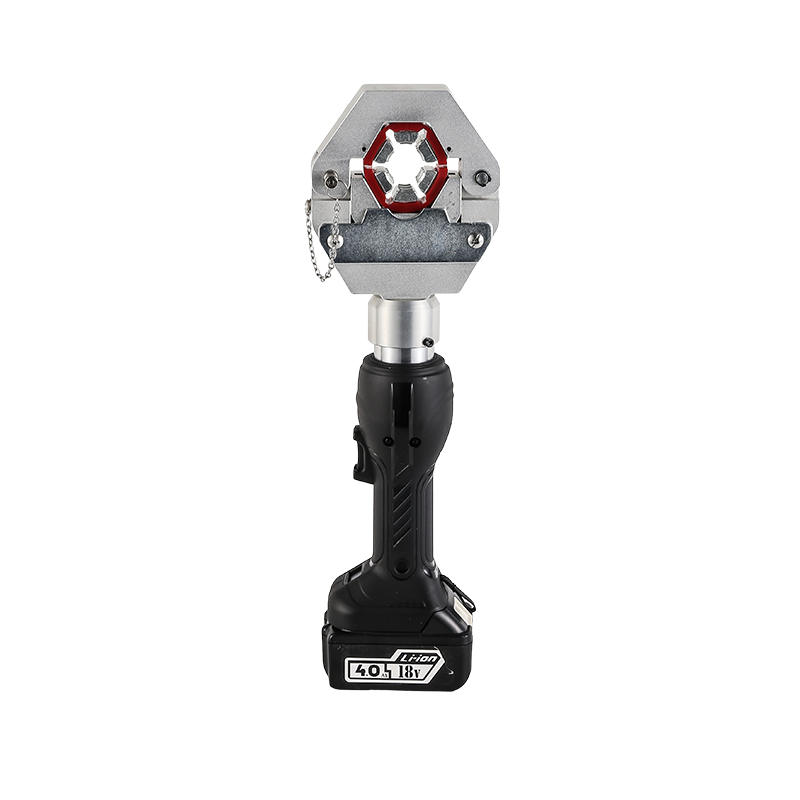
In this environment, demand continues to grow for practical and efficient solutions such as Battery Pipe Plumbing Tool, especially in applications where portability, speed, and multi-function capability directly impact installation quality and productivity.
Recommended Products
Copyright © Taizhou Naibo Machinery Co., Ltd. All Rights Reserved.

Cable Wire Cutting Tool Manufacturer
 English
 Español
 русский
 Français
 Deutsch
 Português