-

-

+86-0576-86655111
-

Wenling , Zhejiang, China
+86-0576-86655111
Wenling , Zhejiang, China

Industry News
 Home / News / Industry News / How Are Utility Crews Reducing Downtime in ACSR Cable Installation and Repair Work?
  2026.07.31
 Industry News
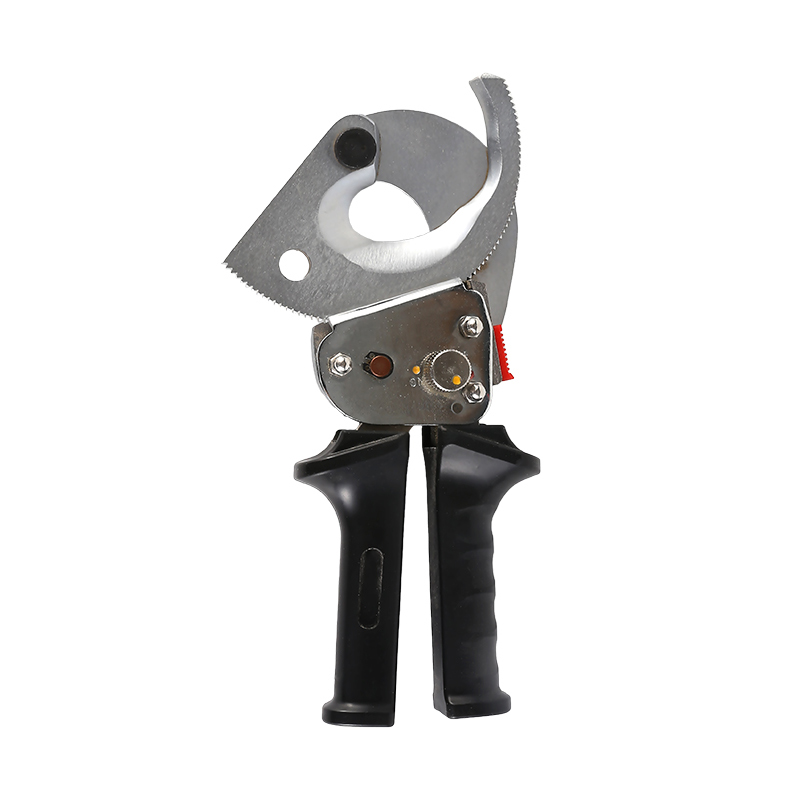
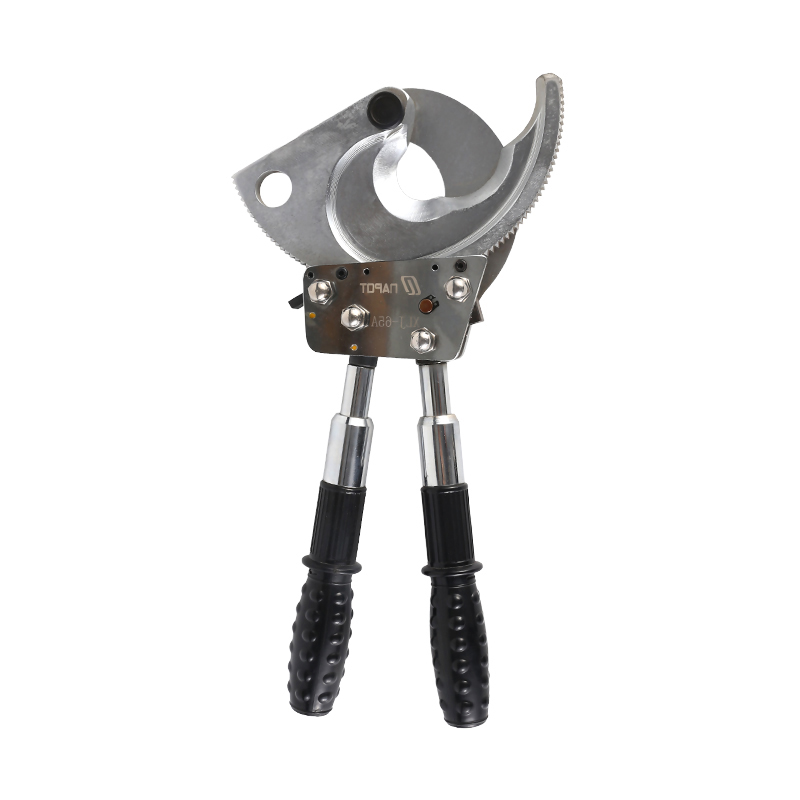
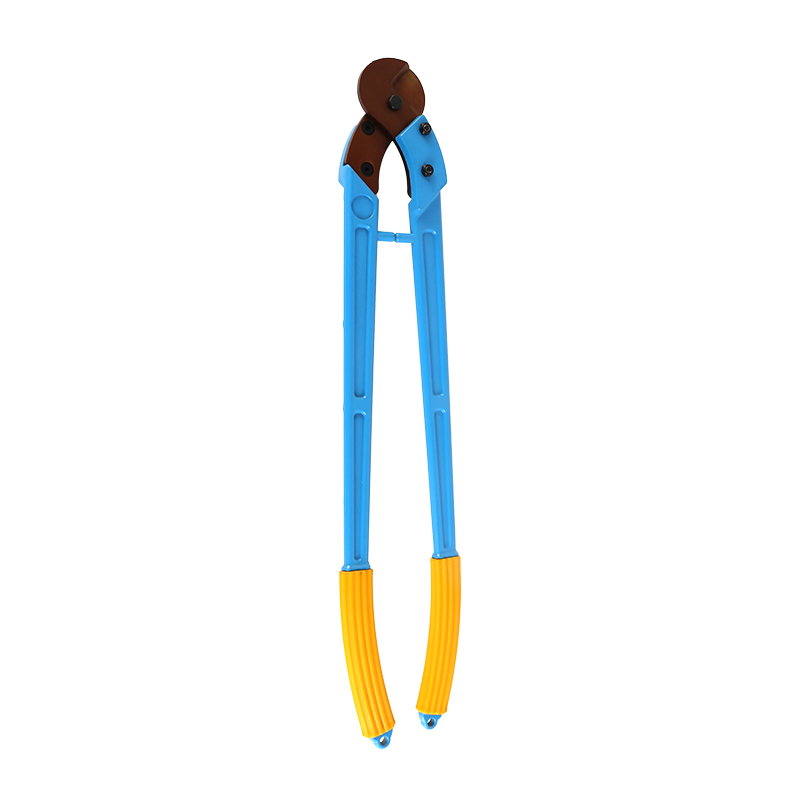
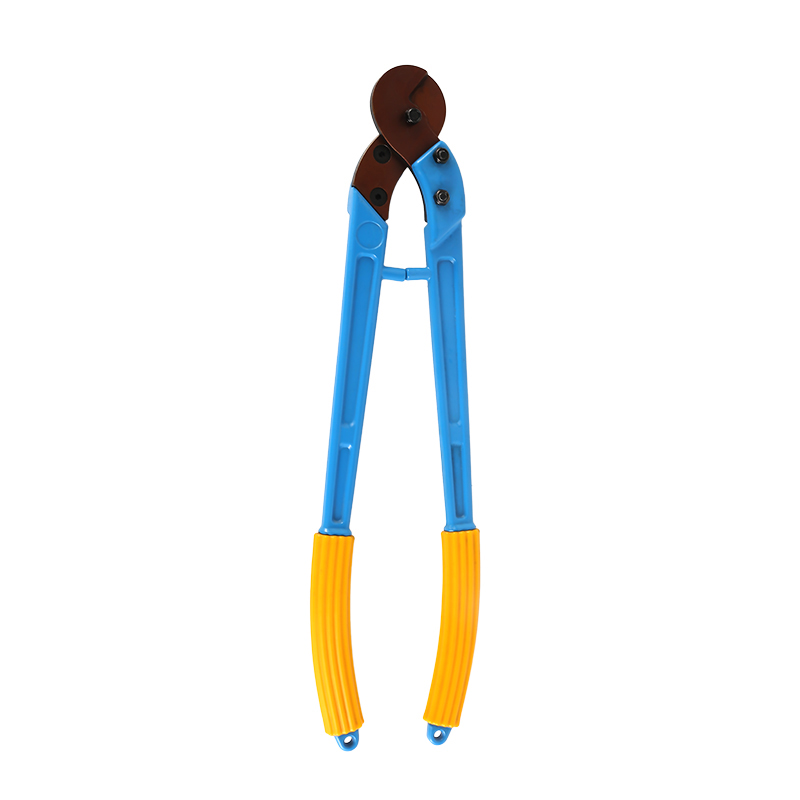
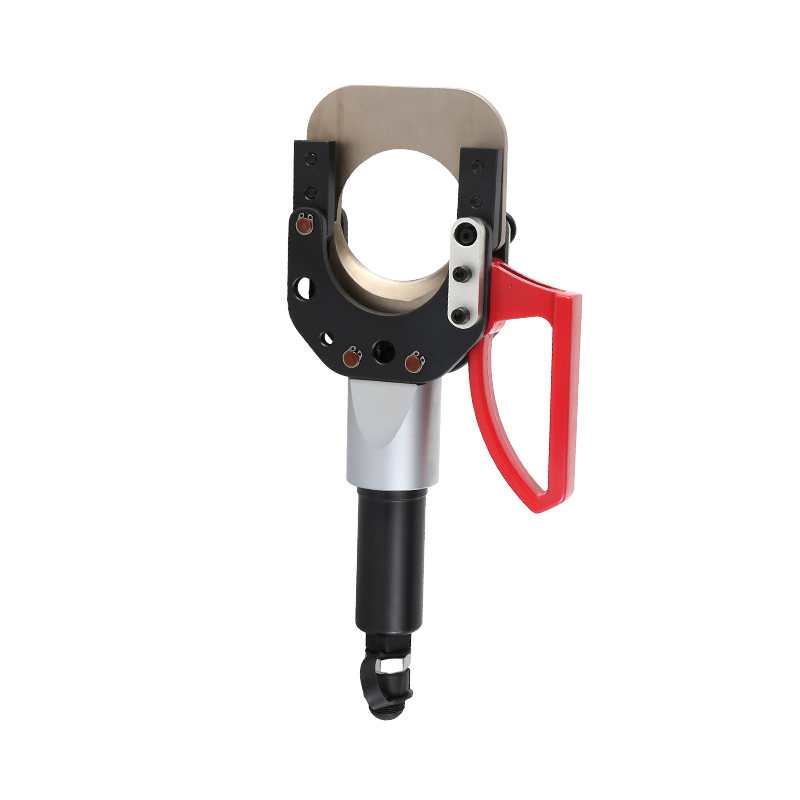
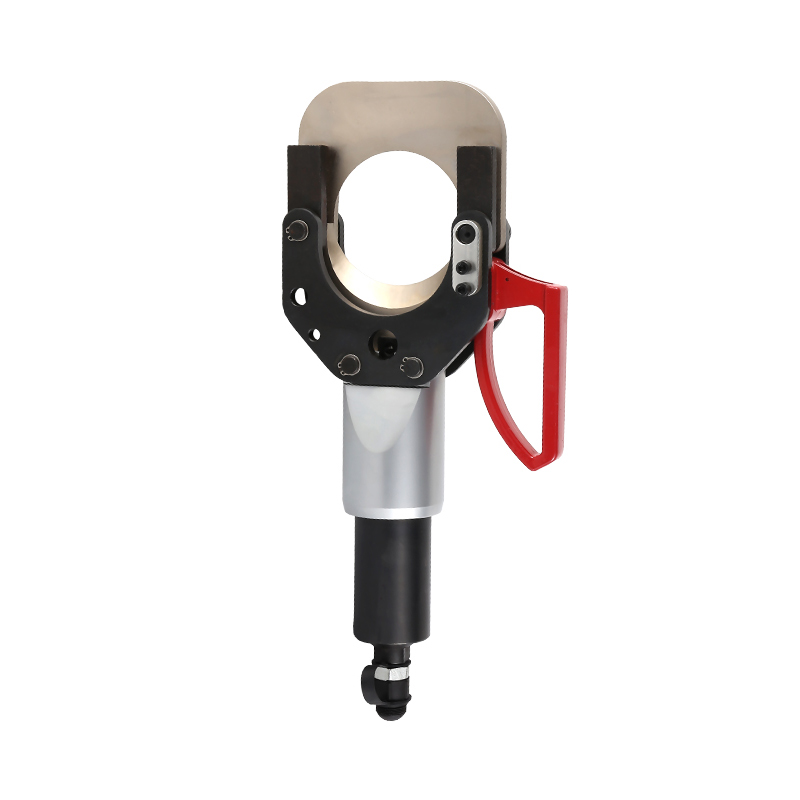
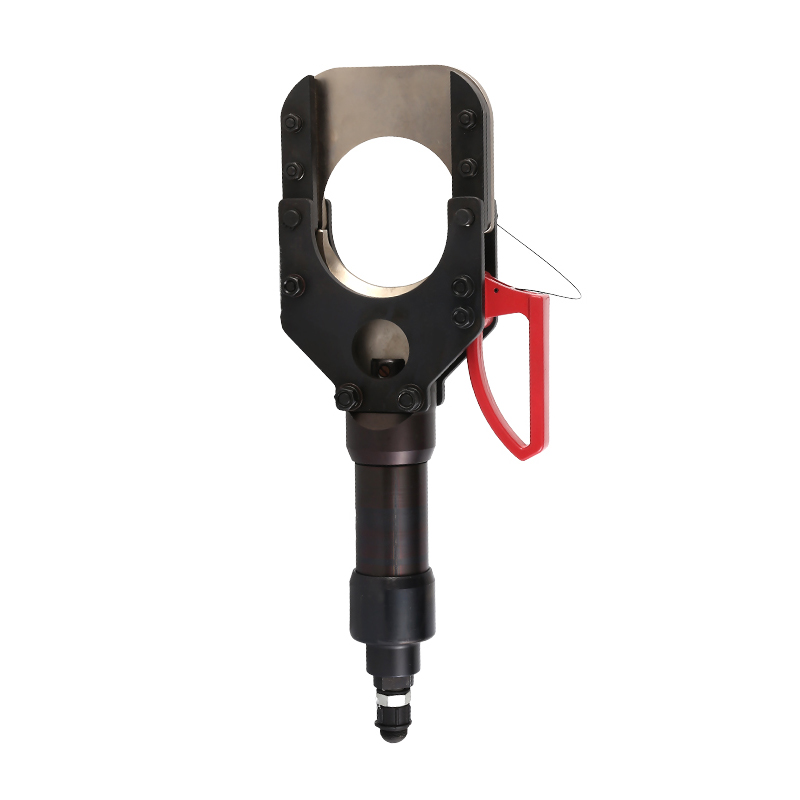
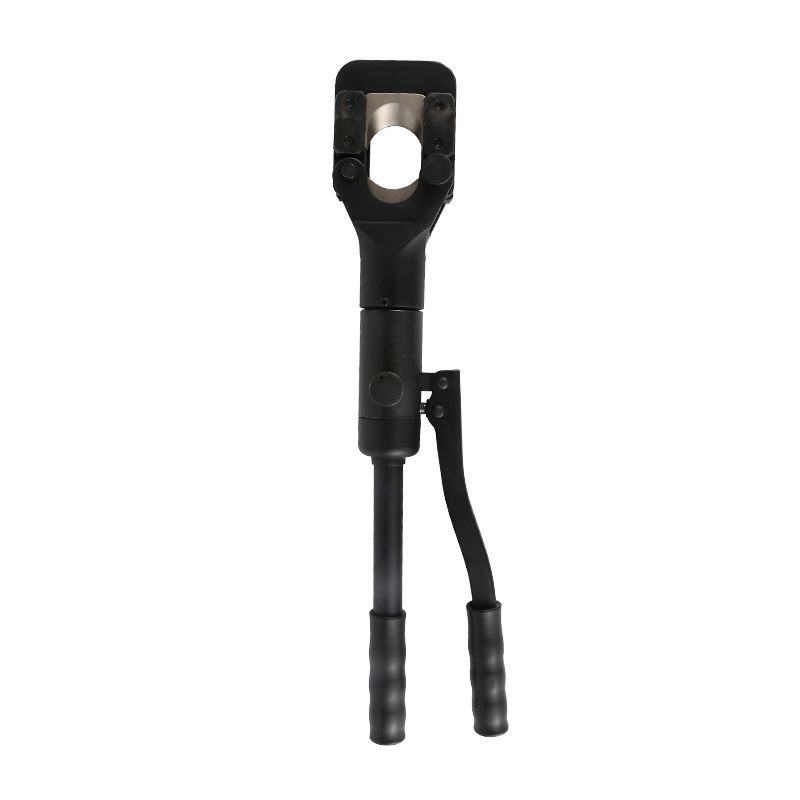
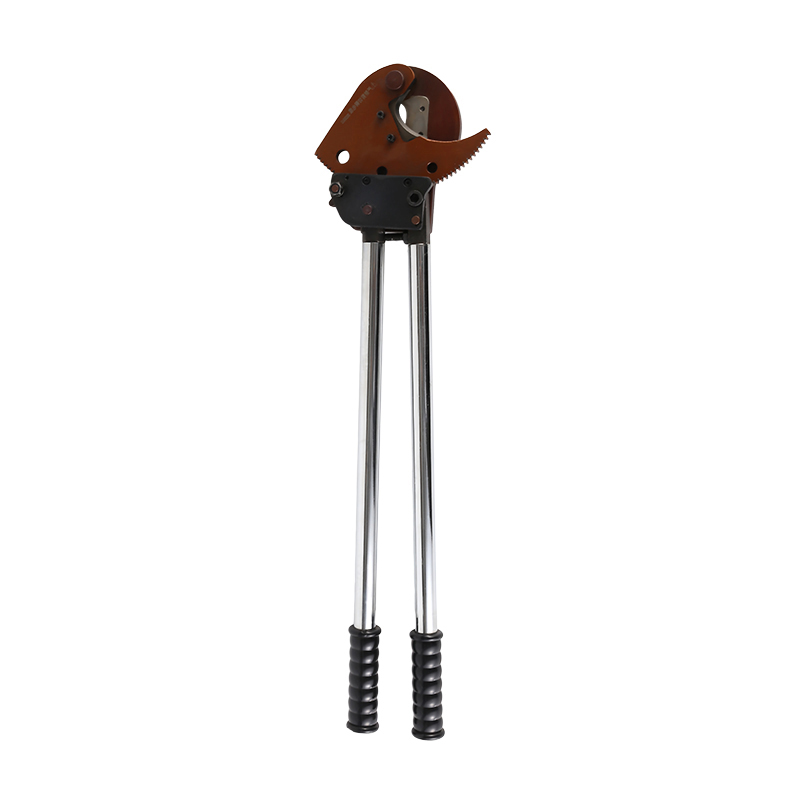
Across modern power transmission projects, downtime during installation and maintenance has become one of the costly operational challenges. With rising labor costs and tighter project schedules, utility contractors are actively searching for faster conductor cutting methods, field tool lifecycle optimization, high-strength cable cutting safety tools, and ACSR Cable Cutter solutions that improve efficiency without compromising safety. This shift reflects a broader industry trend: productivity is now directly tied to tool precision, reliability, and repeatable performance in real field conditions.
In transmission and distribution projects, even short interruptions can delay entire sections of grid deployment. A significant portion of downtime comes from tool inefficiency rather than external conditions.
Common downtime causes include:
Reducing these factors has become a priority for engineering teams.
In large-scale grid projects, the cutting tool is not just an accessory—it directly influences workflow speed. Inefficient cutting increases labor time and disrupts coordination between field teams.
Performance-related impacts include:
These issues highlight why tool design plays a central operational role.
Modern ACSR cutting tools are designed to optimize force transfer rather than rely on raw manual strength. This improves both speed and control during field operations.
Key engineering improvements include:
These features help reduce unnecessary physical effort and improve repeatability.
Blade durability is one of the important factors affecting operational continuity. Poor blade performance leads to frequent interruptions and reduced cutting accuracy.
Typical technical blade characteristics include:
These specifications help maintain stable performance during long shifts.
Safety and efficiency are closely connected in electrical field operations. Poor safety design often slows down workflows due to increased caution or rework requirements.
Key safety-focused improvements include:
Safer tools allow crews to work faster with greater confidence.
Procurement teams now evaluate suppliers based on long-term reliability rather than just unit cost. Consistency and engineering support are key decision factors.
Key expectations include:
These factors reduce operational risk in large infrastructure projects.
ACSR cutting tools are widely used across different stages of power infrastructure development where speed and precision are critical.
Common applications include:
Each environment demands consistent performance under varying field conditions.
As power networks expand and become more complex, reducing downtime will remain a core priority for utility companies. Future cutting tools will focus on improving mechanical efficiency, extending blade lifespan, and enhancing ergonomic control for field operators.
For contractors, distributors, and engineering teams, choosing a reliable ACSR Cable Cutter is a key decision that directly affects project timelines, labor efficiency, and operational safety. Working with experienced manufacturers ensures more stable performance and smoother execution across modern power infrastructure projects.
Recommended Products
Copyright © Taizhou Naibo Machinery Co., Ltd. All Rights Reserved.

Cable Wire Cutting Tool Manufacturer
 English
 Español
 русский
 Français
 Deutsch
 Português