-

-

+86-0576-86655111
-

Wenling , Zhejiang, China
+86-0576-86655111
Wenling , Zhejiang, China

Industry News
 Home / News / Industry News / How Can the Right Ratchet Cable Cutter Improve Efficiency in Modern Electrical Projects?
  2026.08.07
 Industry News
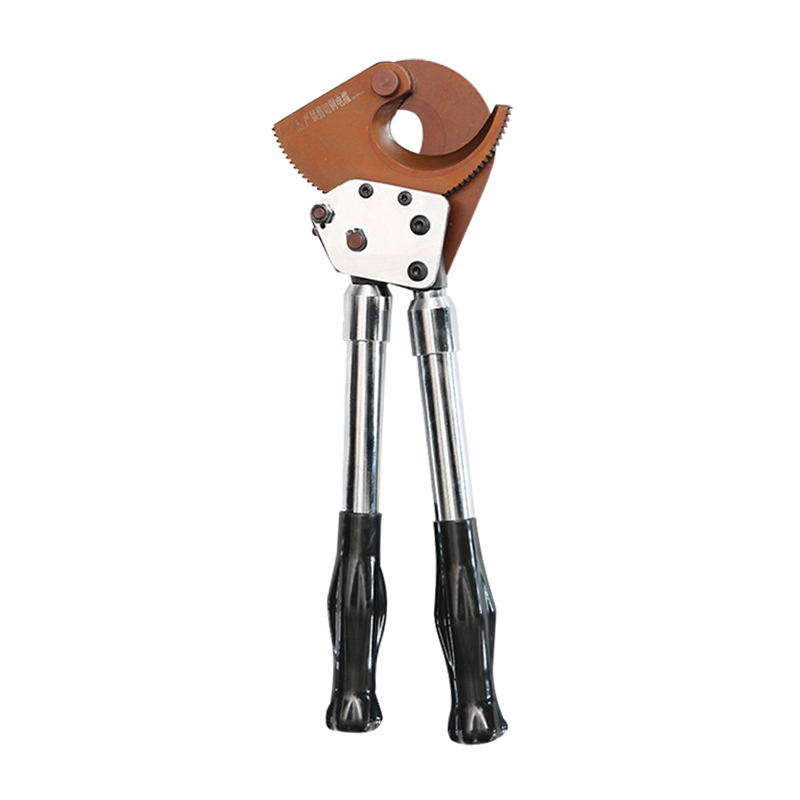
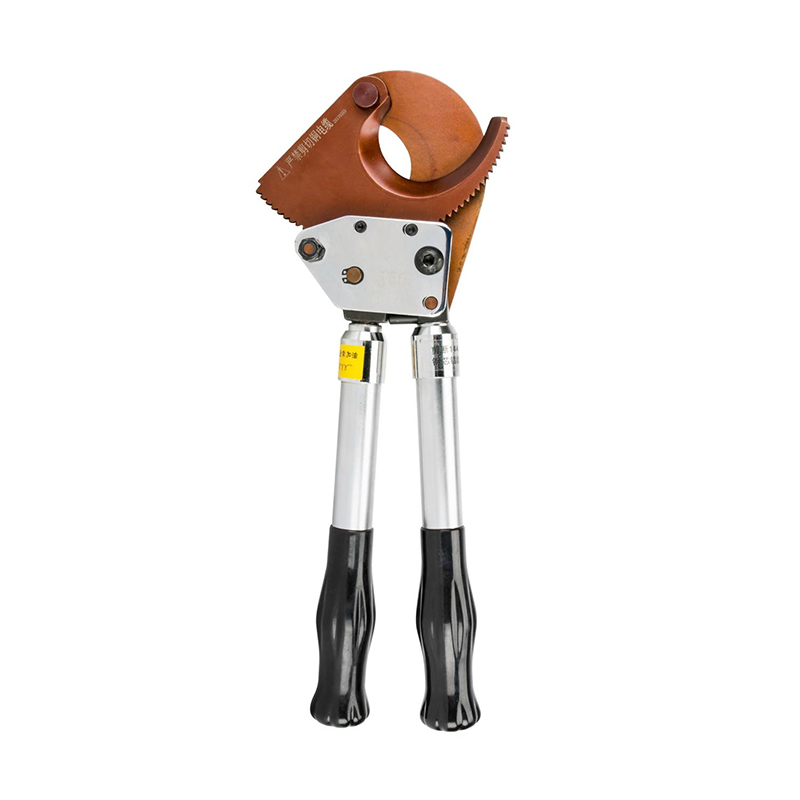
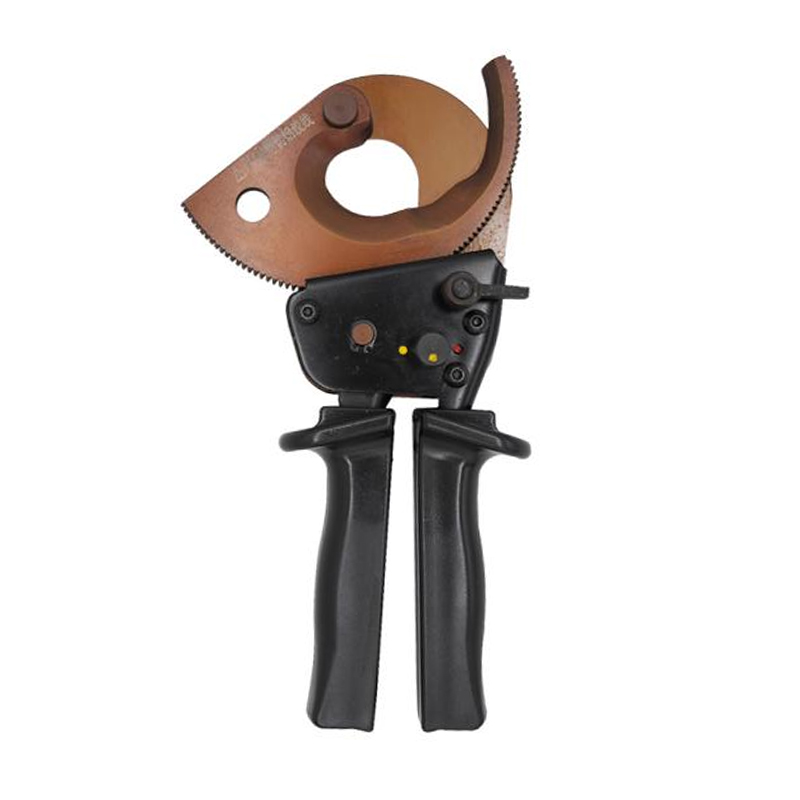
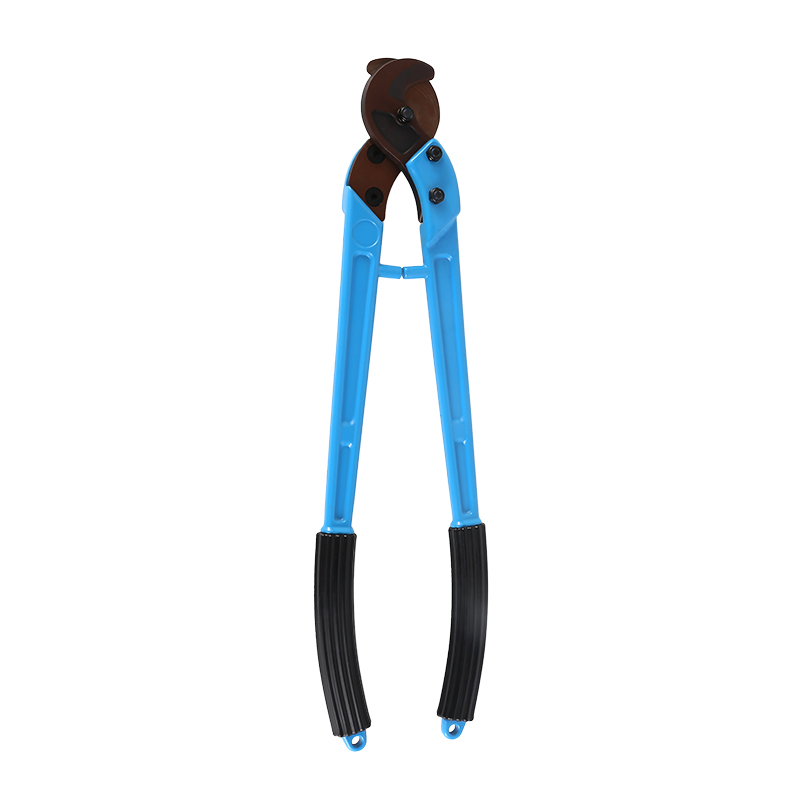
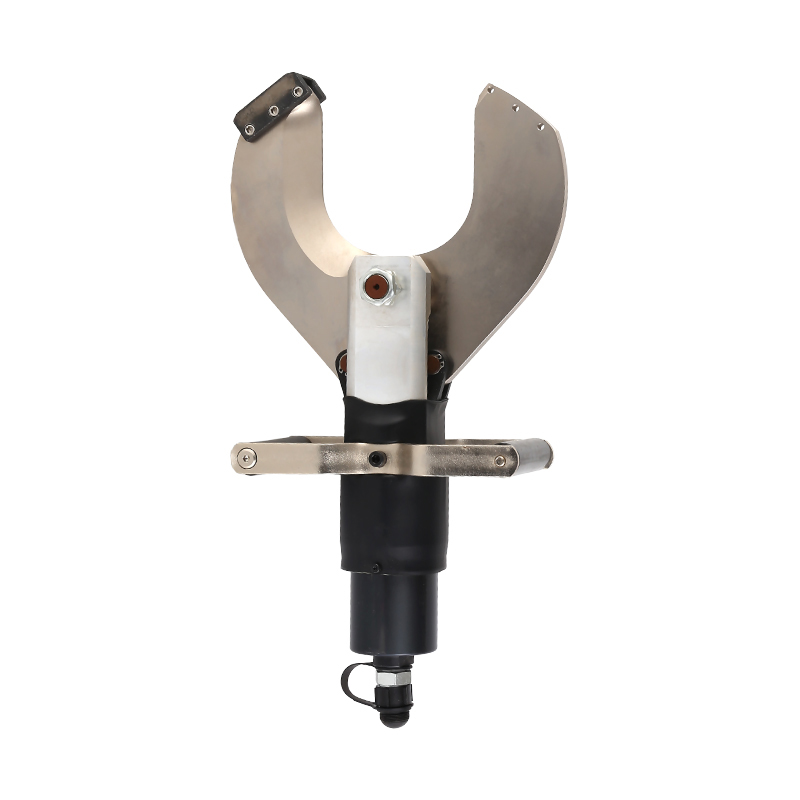
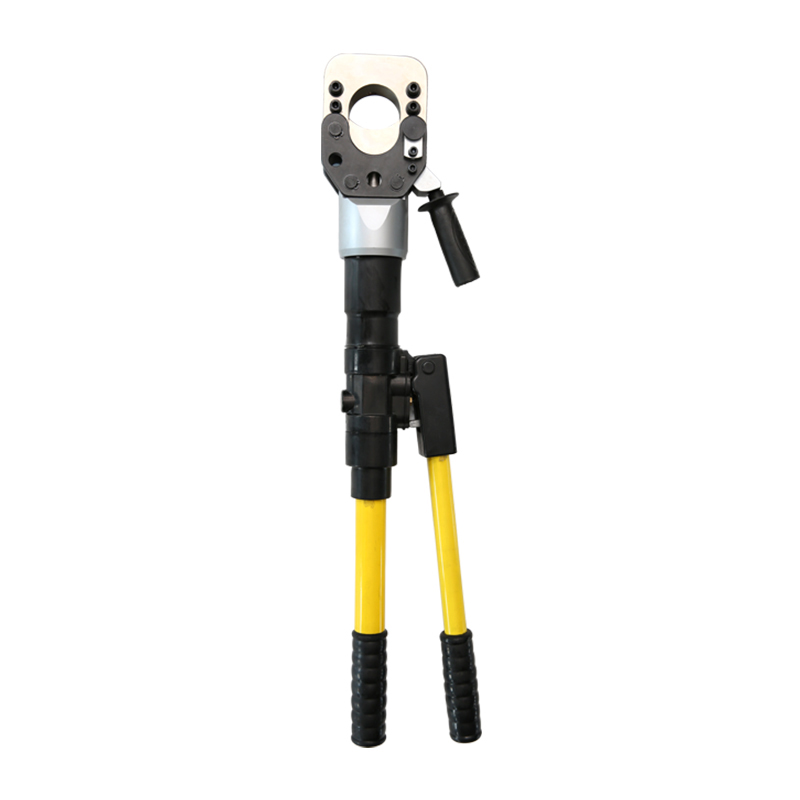
The expansion of power infrastructure, renewable energy systems, and industrial electrical installations has increased demand for professional hand tools that can support safer and more efficient cable processing. For contractors, distributors, and engineering companies, choosing the correct cutting tool directly affects installation quality, working efficiency, and project management. As an experienced Ratchet Cable Cutter Factory, we focus on developing cable cutting solutions that address practical challenges in different working environments, including cutting control, tool stability, and compatibility with various cable materials. Understanding what makes a professional cable cutter suitable for industrial applications can help buyers make better purchasing decisions.
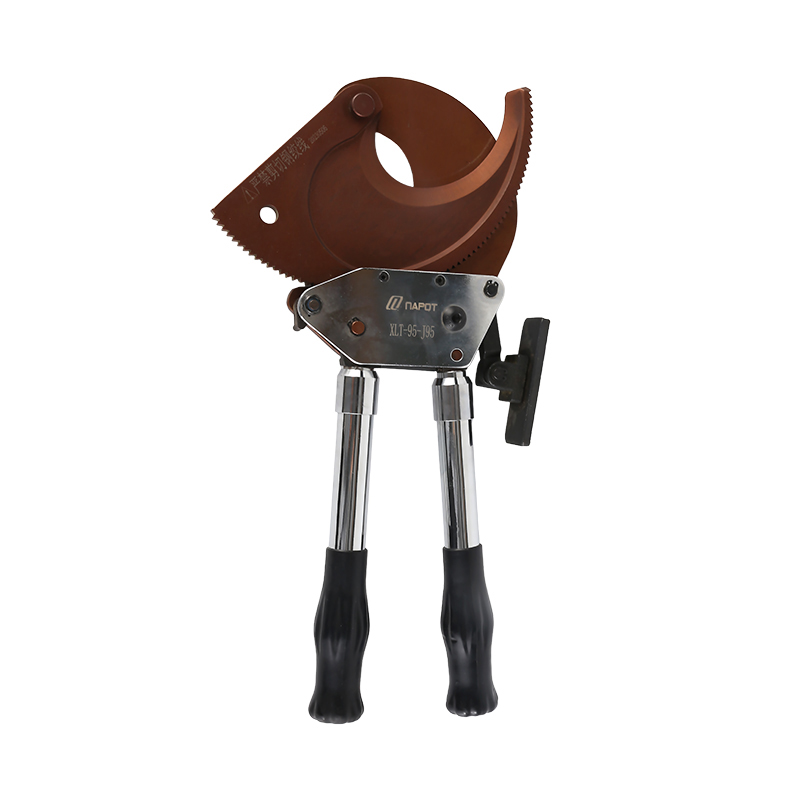
Cable installation projects often involve different conductor materials, cable structures, and working conditions. Copper cables, aluminum cables, and multi-core power cables may require different cutting approaches to achieve clean results.
Many professionals encounter common challenges during daily operations:
These issues have encouraged buyers to focus more on tool design, mechanical structure, and manufacturing reliability rather than simply comparing product prices.
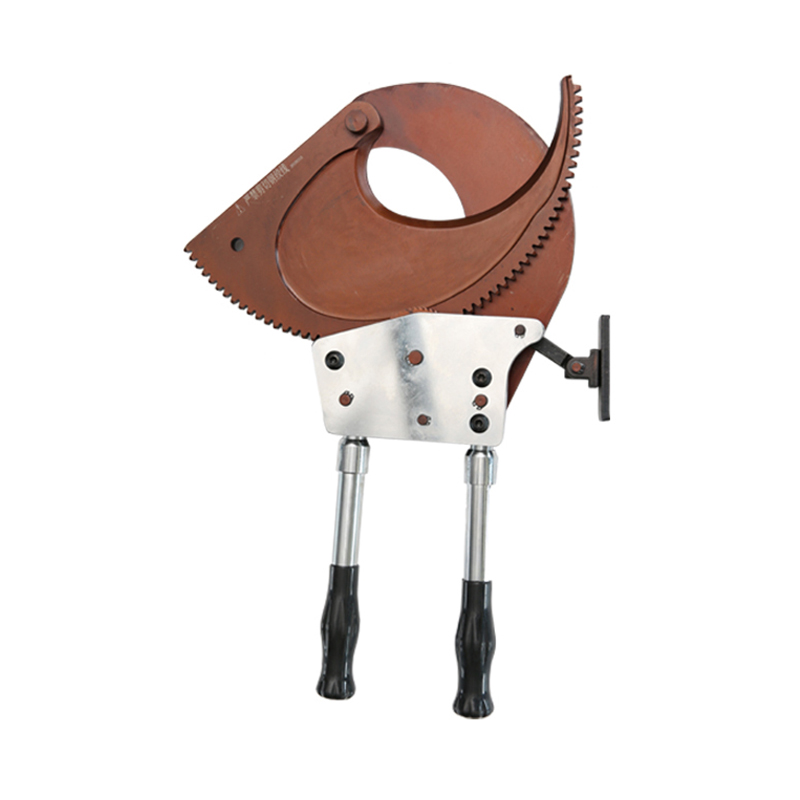
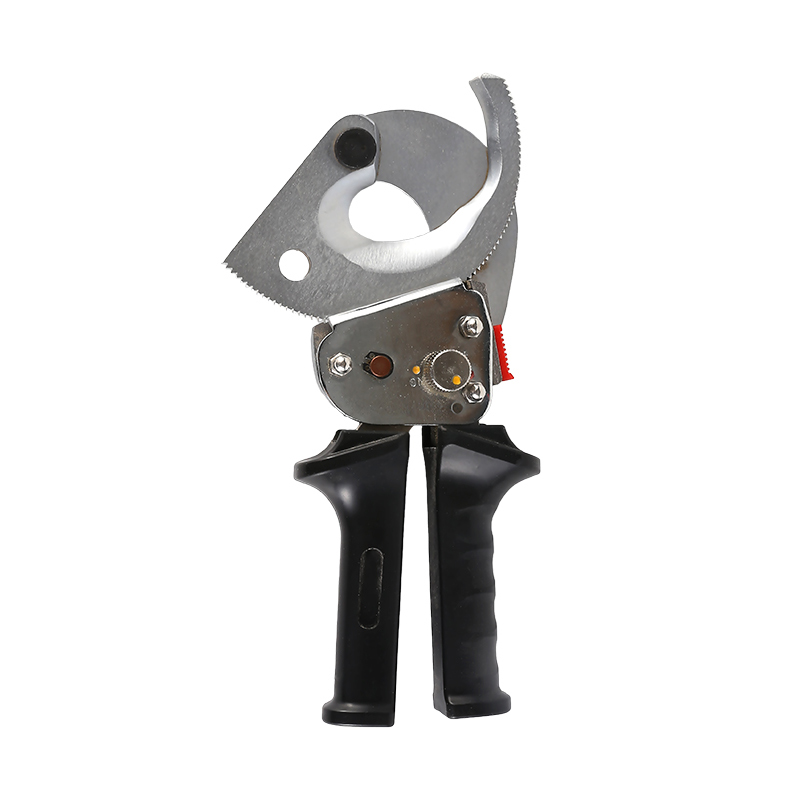
The ratchet mechanism is one of the key features that differentiates professional cable cutters from conventional cutting tools. By transferring force through multiple gear movements, the mechanism allows operators to complete cutting tasks with improved control.
A well-designed ratchet cable cutter typically includes:
For electricians and maintenance teams, controlled cutting performance is especially important when working in environments where accuracy and productivity are required.
For industrial buyers, the performance of a cable cutter depends on the complete manufacturing process. Each component must work together to provide consistent operation.
Important production factors include:
Blade Material and Processing
The blade material affects cutting ability, wear resistance, and compatibility with different cable materials. Proper heat treatment and machining processes help maintain the required blade characteristics.
Mechanical Structure
The cutter body and internal components need suitable strength to handle repeated mechanical pressure while maintaining stable alignment.
Accurate assembly ensures that gears, blades, and moving parts work smoothly together, reducing unnecessary friction and improving user experience.
A professional manufacturer pays attention to these details because small production differences can influence the final performance of the tool.
Which Industries Benefit From Ratchet Cable Cutter Applications?
Ratchet cable cutters are widely used in industries where cable preparation is an important part of installation and maintenance work.
Typical applications include:
For distributors and project contractors, selecting a cable cutter suitable for multiple professional applications can simplify inventory planning and provide better support for end users.
Choosing a manufacturing partner requires evaluating more than product appearance. International buyers usually consider production capability, customization support, and quality management when developing long-term cooperation.
A reliable supplier should provide:
These factors help buyers reduce supply chain uncertainty and ensure that tools meet the expectations of their customers.
The development of smart grids, renewable energy projects, and modern electrical systems continues to influence hand tool requirements. Professionals are looking for tools that combine practical design, improved operation experience, and reliable manufacturing quality.
Future cable cutting solutions will continue focusing on:
For companies sourcing professional hand tools, working with an experienced manufacturer can provide stronger product support and long-term value. As a specialized Ratchet Cable Cutter Factory, we provide customized cable cutting solutions for global distributors, electrical contractors, and engineering companies. Through careful material selection, precision manufacturing, and application-focused design, we help customers develop tools that meet the practical needs of modern cable installation and maintenance projects.
Recommended Products
Copyright © Taizhou Naibo Machinery Co., Ltd. All Rights Reserved.

Cable Wire Cutting Tool Manufacturer
 English
 Español
 русский
 Français
 Deutsch
 Português