-

-

+86-0576-86655111
-

Wenling , Zhejiang, China
+86-0576-86655111
Wenling , Zhejiang, China

Industry News
 Home / News / Industry News / Why Are Power Contractors Replacing Traditional Cutting Tools in Grid Maintenance Projects?
  2026.07.24
 Industry News
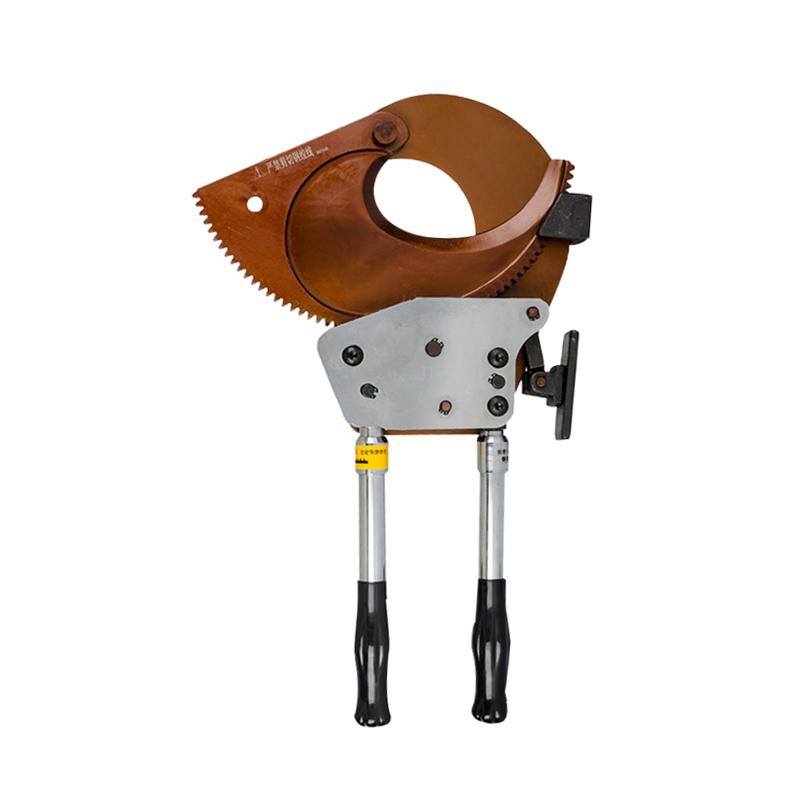
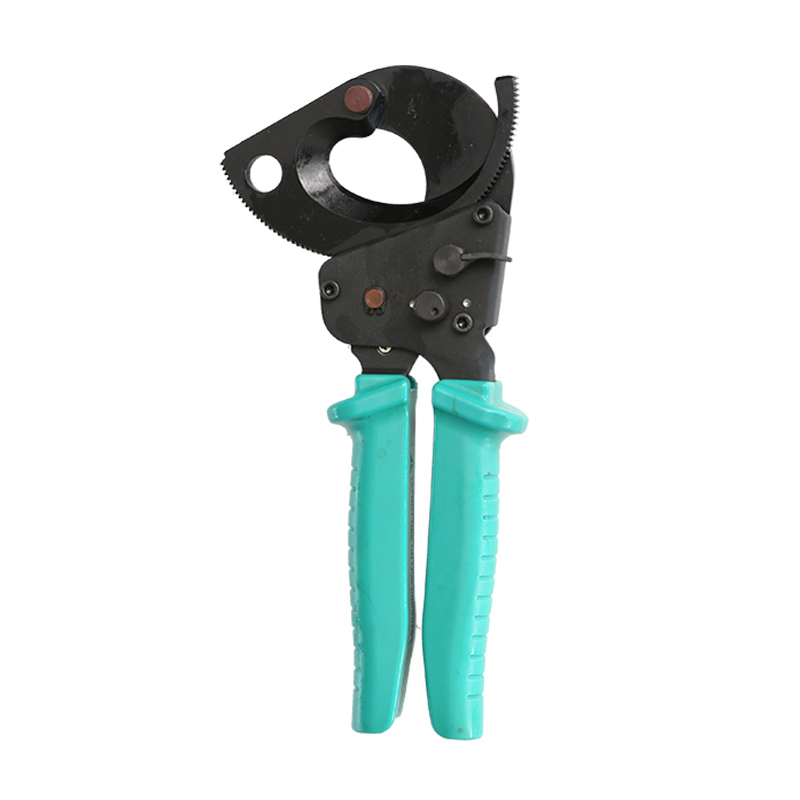
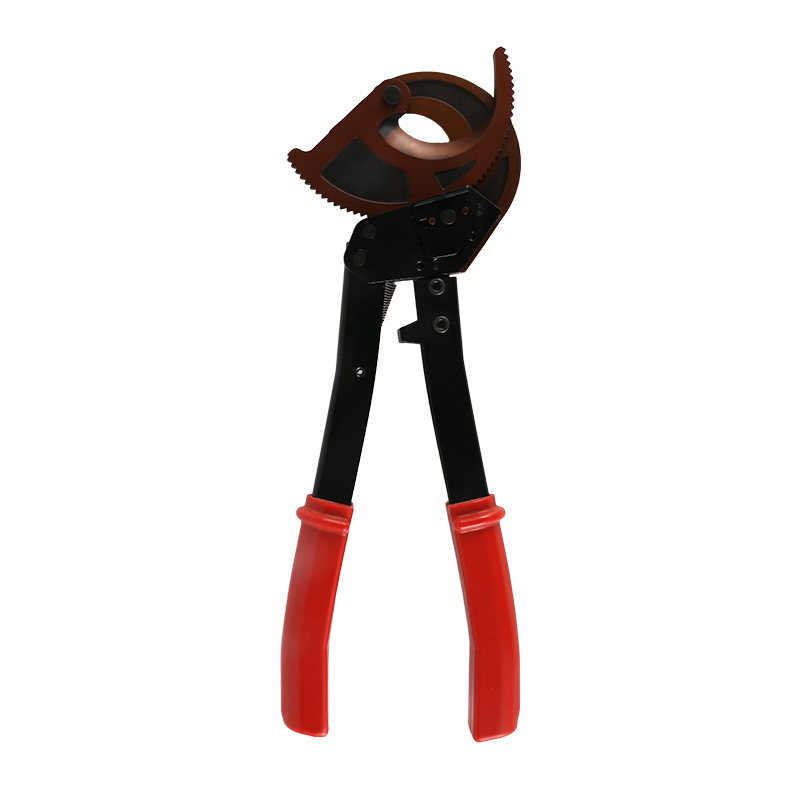
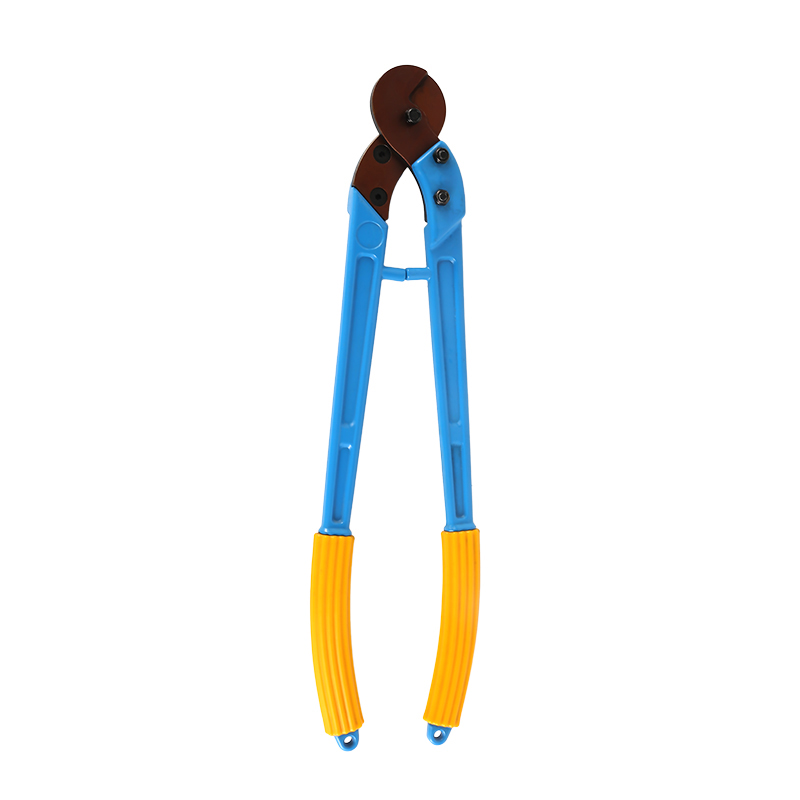
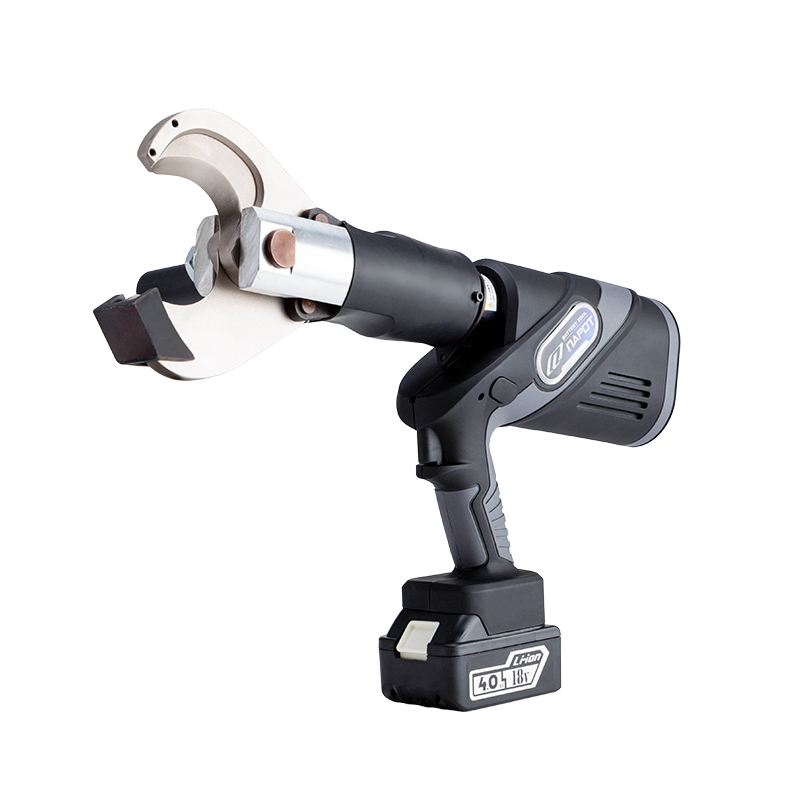
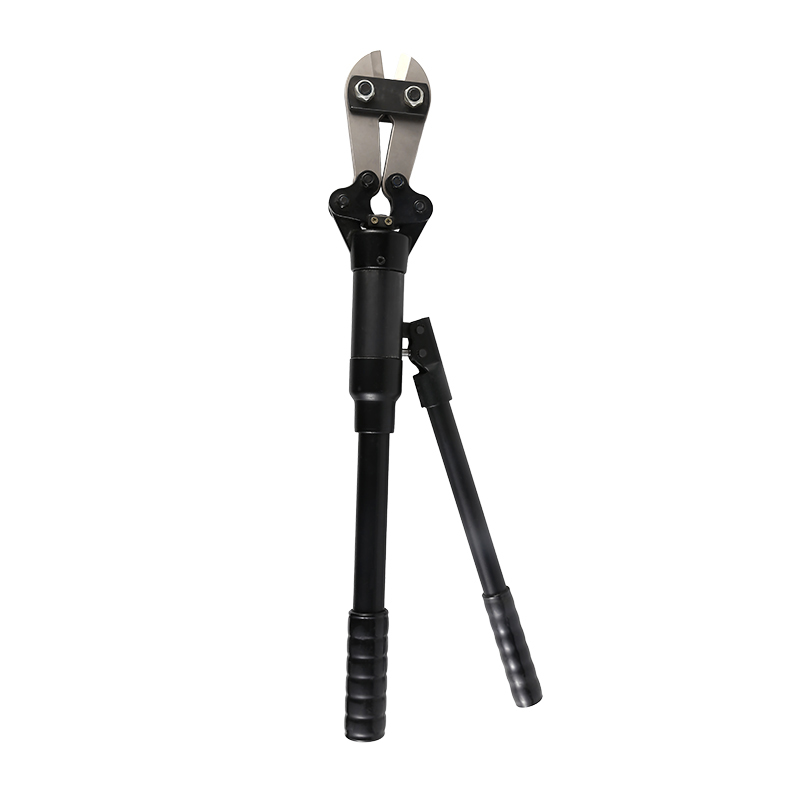
As global power infrastructure expands—especially in renewable energy transmission, urban grid upgrades, and cross-border interconnection projects—field efficiency and safety requirements are becoming more demanding. Recent search patterns such as ACSR cutting tool fatigue reduction, high-strength conductor cutter maintenance cycle, field tool safety for transmission lines, and ACSR Cable Cutter show that engineers and procurement teams are no longer focusing only on basic cutting ability. Instead, they are evaluating precision control, blade lifecycle stability, and operator ergonomics as key purchasing criteria.
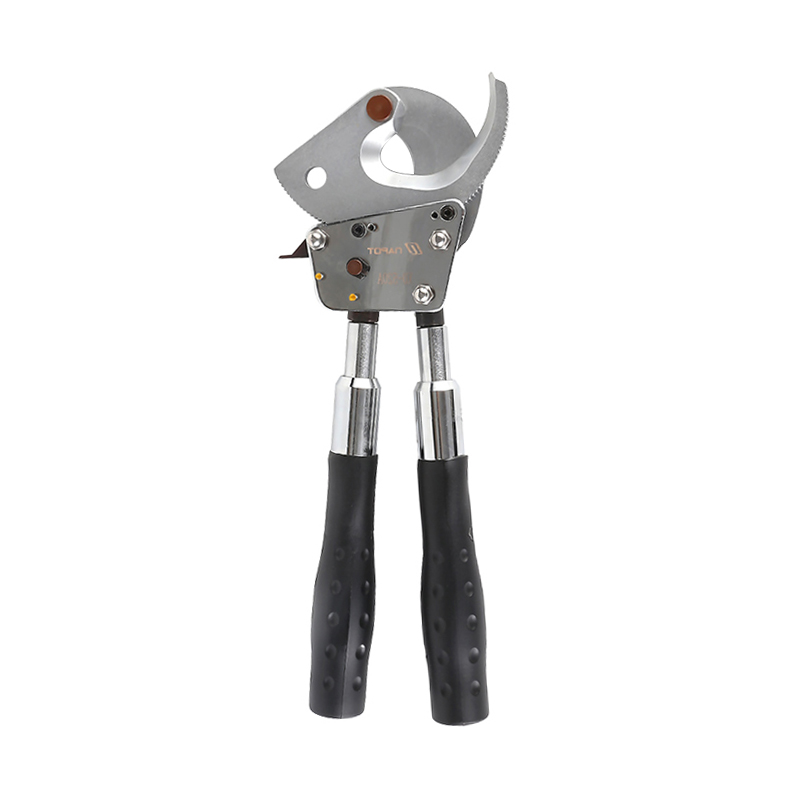
Older cutting tools were designed for simpler conductor structures. However, modern ACSR cables have higher tensile strength and mixed-material construction, making conventional tools less reliable.
Common limitations include:
These issues have pushed contractors toward engineered cutting systems.
Modern cable cutters rely on mechanical optimization rather than brute force. Structural engineering plays a direct role in cutting precision and safety.
Key design improvements include:
These features help ensure predictable results in field operations.
The blade is the critical wear component in ACSR cutting applications. Steel-core contact requires high hardness and abrasion resistance to maintain performance consistency.
Typical technical specifications include:
These improvements directly extend operational lifespan in field environments.
Electrical contractors are now required to comply with stricter safety regulations across international projects. As a result, tool safety design has become a core evaluation factor.
Common safety features include:
These standards are increasingly included in technical bidding requirements.
Procurement teams are shifting from price-based purchasing to performance-based sourcing strategies. They expect consistent quality and validated engineering performance.
Key decision factors include:
This reduces operational risk in large infrastructure projects.
ACSR cutting tools are widely used across power transmission and distribution systems where reliability is essential.
Typical use cases include:
Each scenario requires stable performance under different environmental conditions.
As power infrastructure becomes more complex and globally interconnected, demand for safer, more efficient, and longer-lasting cutting tools will continue to grow. Future development will focus on improved mechanical efficiency, enhanced blade engineering, and better ergonomic safety design.
For contractors, distributors, and utility engineering teams, selecting a reliable ACSR Cable Cutter is essential for ensuring operational safety, reducing downtime, and improving overall construction efficiency. Partnering with experienced manufacturers will remain a key strategy for achieving consistent performance in modern electrical infrastructure projects.
Recommended Products
Copyright © Taizhou Naibo Machinery Co., Ltd. All Rights Reserved.

Cable Wire Cutting Tool Manufacturer
 English
 Español
 русский
 Français
 Deutsch
 Português