-

-

+86-0576-86655111
-

Wenling , Zhejiang, China
+86-0576-86655111
Wenling , Zhejiang, China

Industry News
 2026.07.03
 Industry News
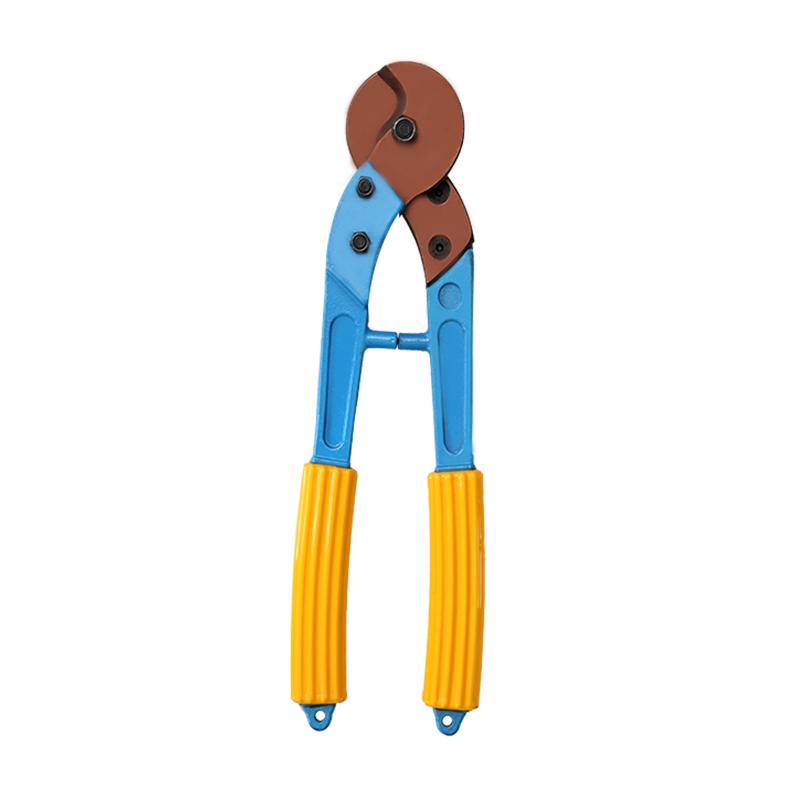
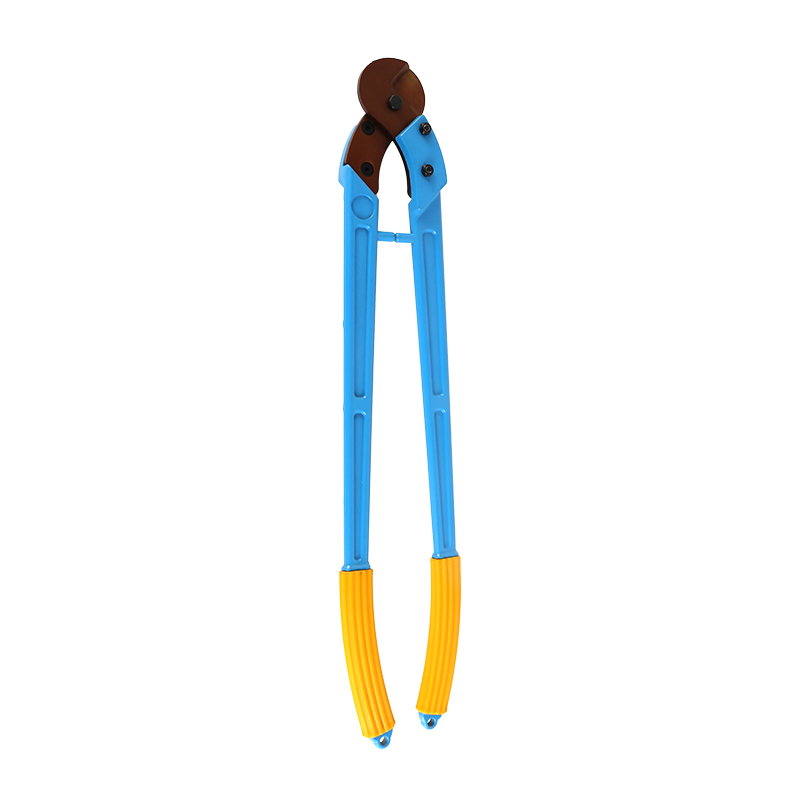
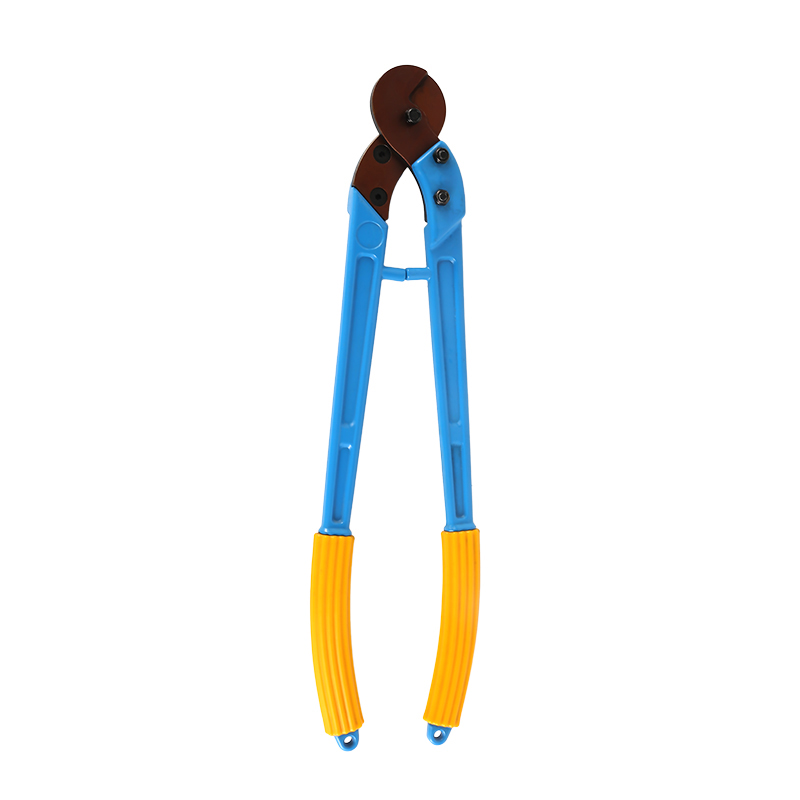
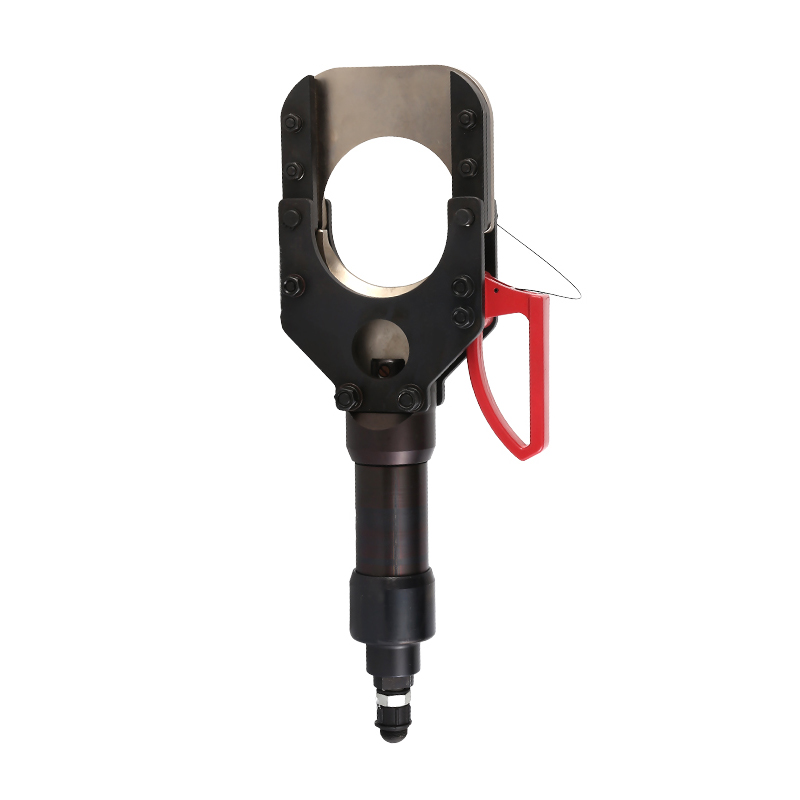
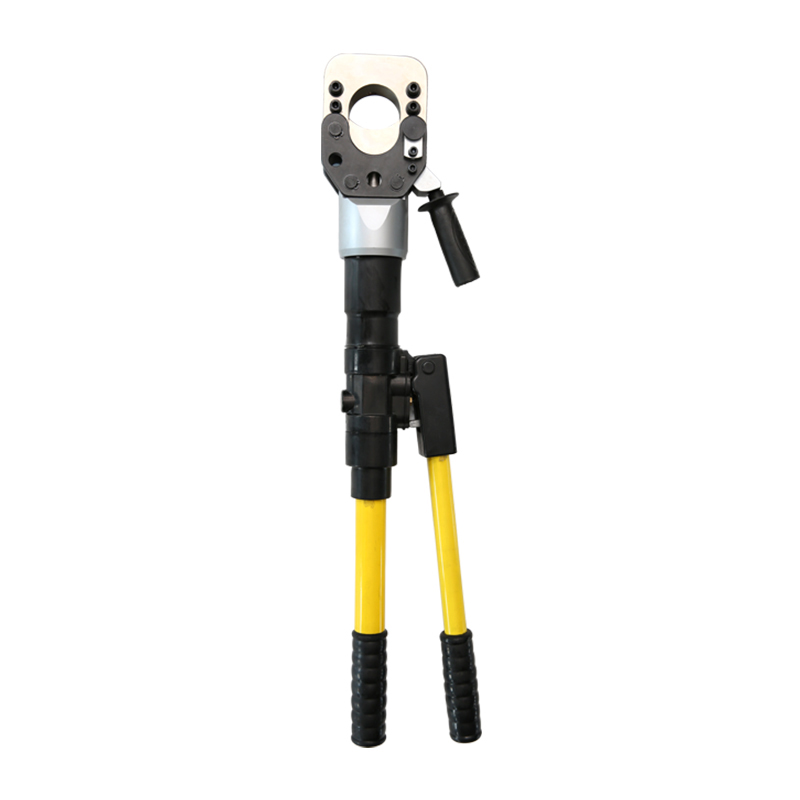
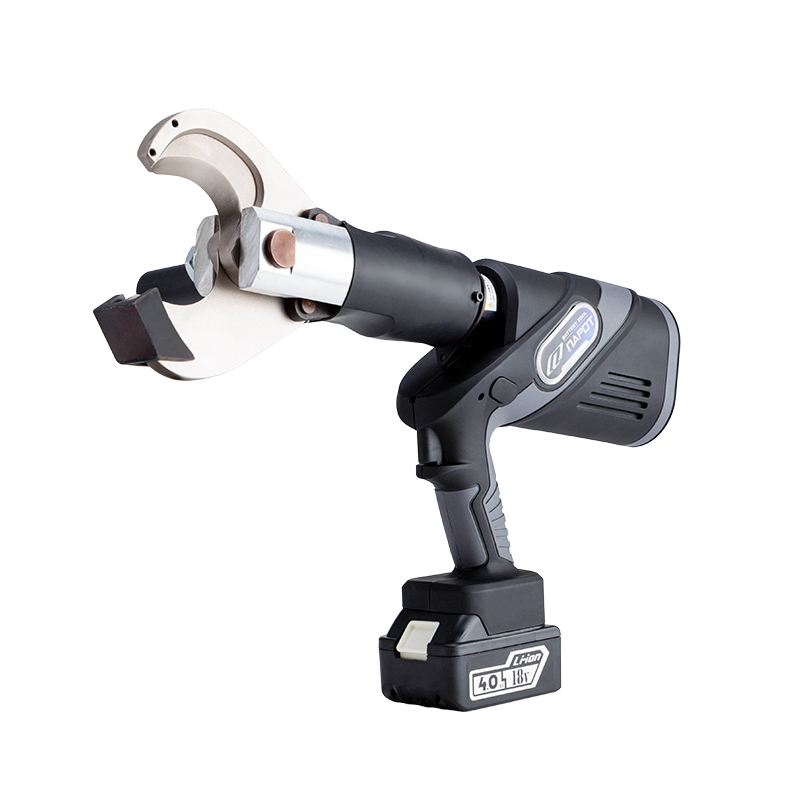
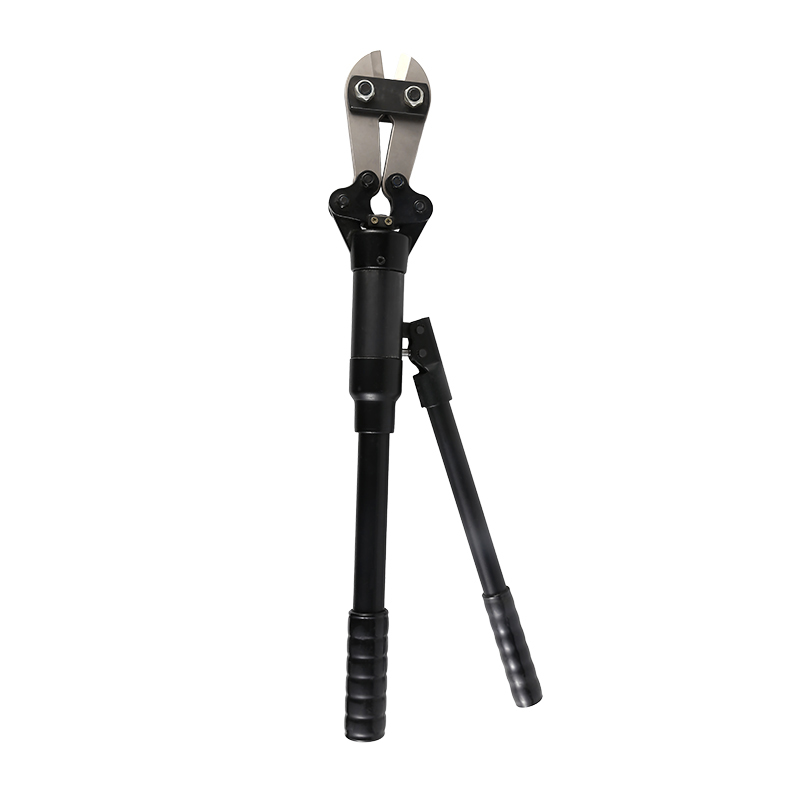
Power utilities, EPC contractors, and transmission maintenance teams are paying closer attention to cutting tools as grid modernization projects continue across many regions. When selecting an ACSR Cable Cutter, buyers are no longer asking only whether it can cut aluminum conductor steel reinforced cable. They also want to know the up to cutting capacity, blade material, maintenance requirements, compatibility with different conductor sizes, and how the tool performs during repeated field operations. As a manufacturer, we have noticed growing demand for practical solutions that improve productivity while protecting conductor integrity and reducing replacement costs.
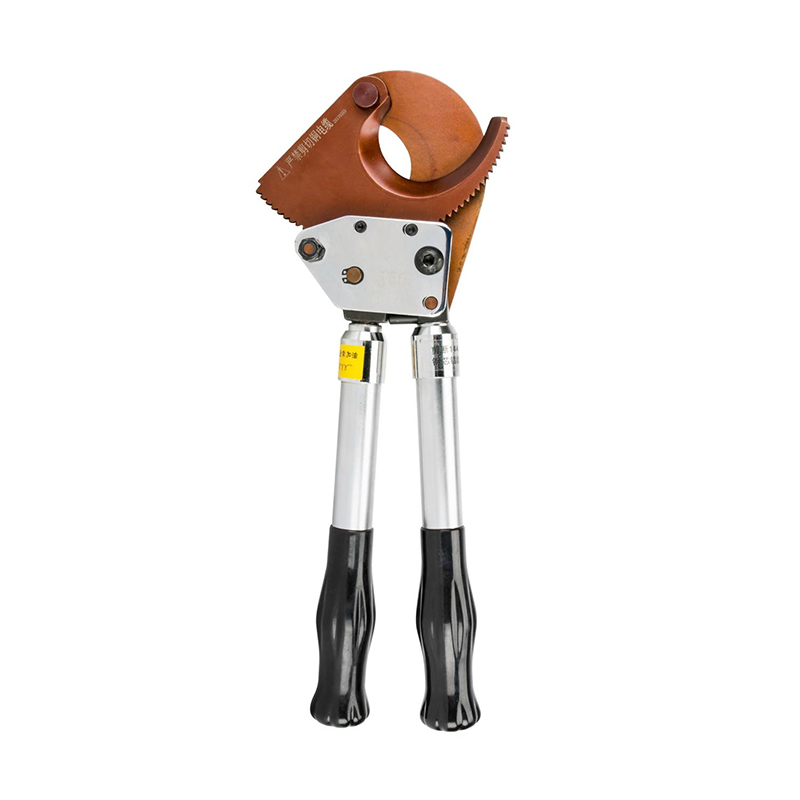
ACSR combines aluminum strands with a steel core, making it significantly more demanding than ordinary copper or aluminum cables. Using an unsuitable cutter can flatten the conductor, leave burrs, or even damage the steel reinforcement, increasing installation time and affecting connector performance.
Before choosing a cutter, engineers typically compare:
These technical details directly influence productivity on transmission and distribution projects.
One of the common questions from overseas buyers is, "How long will the blades last before replacement?"
Rather than focusing on general claims about durability, experienced procurement teams look at blade specifications. Blades manufactured from alloy tool steel and processed through precision heat treatment generally provide better wear resistance during repeated cutting of steel-reinforced conductors. Precision grinding also helps produce cleaner cutting surfaces, reducing deformation of the aluminum strands and minimizing additional finishing work before connector installation.
As manufacturers, we also recommend checking whether replacement blade kits are available, since this can significantly reduce long-term maintenance costs for contractors managing large tool inventories.
A tool that performs well in a workshop may not be suitable for transmission tower maintenance or remote construction sites.
Field engineers usually consider several practical factors:
These features often have a greater impact on daily productivity than cutting force alone.
Poor cutting quality often creates hidden costs. Uneven conductor ends can complicate compression connector installation, increase preparation time, and require additional trimming before crimping.
A properly designed cutting mechanism helps maintain conductor geometry, allowing installers to complete subsequent assembly steps more efficiently. Clean cable ends also contribute to more consistent connector positioning during installation, especially on high-voltage transmission projects where dimensional accuracy is important.
Our engineering team receives similar technical questions from distributors and utility contractors worldwide. The common include:
As a manufacturer, we provide detailed technical specifications, material information, production inspection procedures, and OEM services to help customers evaluate products before purchasing instead of relying solely on catalog descriptions.
Reliable cutting performance depends not only on blade design but also on machining accuracy, heat treatment consistency, assembly precision, and quality inspection throughout production. Every production batch should maintain stable dimensional tolerances so that each tool delivers predictable performance in the field.
As transmission infrastructure projects continue to expand worldwide, buyers are increasingly seeking an ACSR Cable Cutter that offers consistent cutting performance, replaceable wear components, practical field usability, and dependable manufacturing support. Choosing a supplier capable of combining engineering expertise with OEM flexibility allows distributors, utilities, and contractors to reduce maintenance costs while improving installation efficiency across a wide range of overhead power line applications.
Recommended Products
Copyright © Taizhou Naibo Machinery Co., Ltd. All Rights Reserved.

Cable Wire Cutting Tool Manufacturer
 English
 Español
 русский
 Français
 Deutsch
 Português