-

-

+86-0576-86655111
-

Wenling , Zhejiang, China
+86-0576-86655111
Wenling , Zhejiang, China

Industry News
 2026.10.02
 Industry News
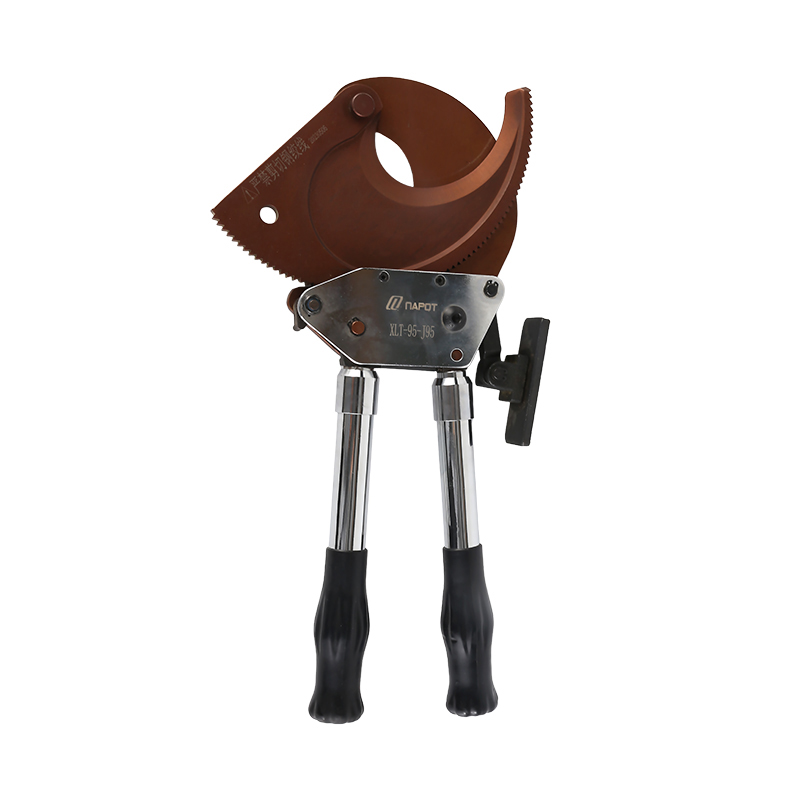
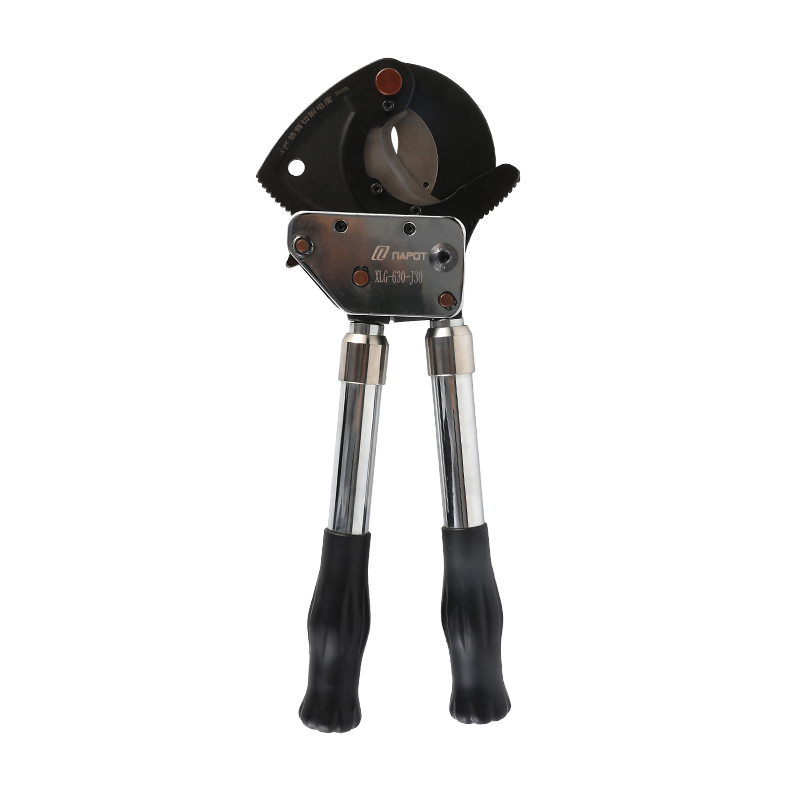
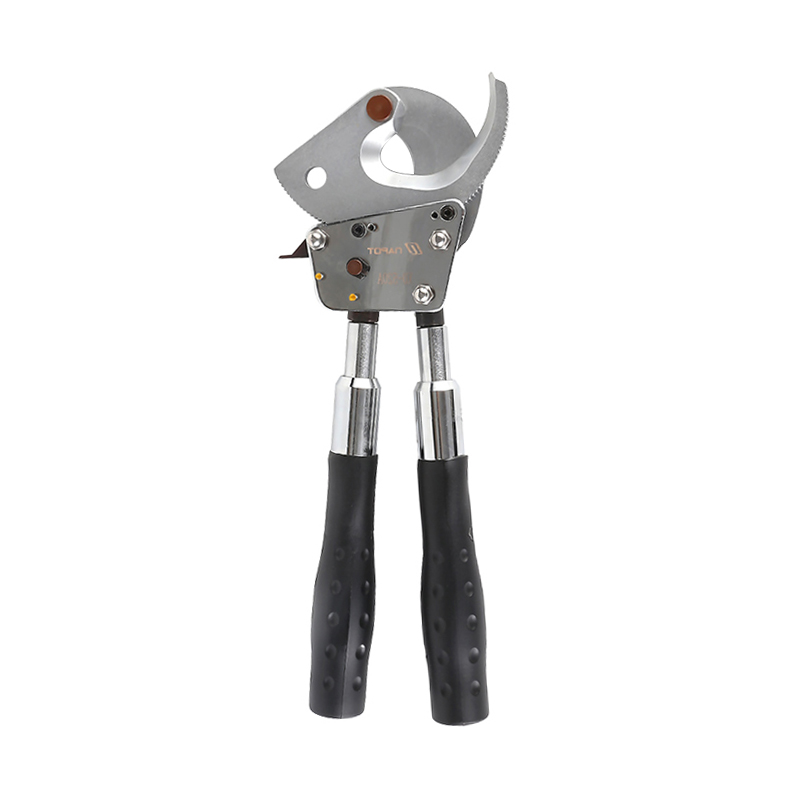
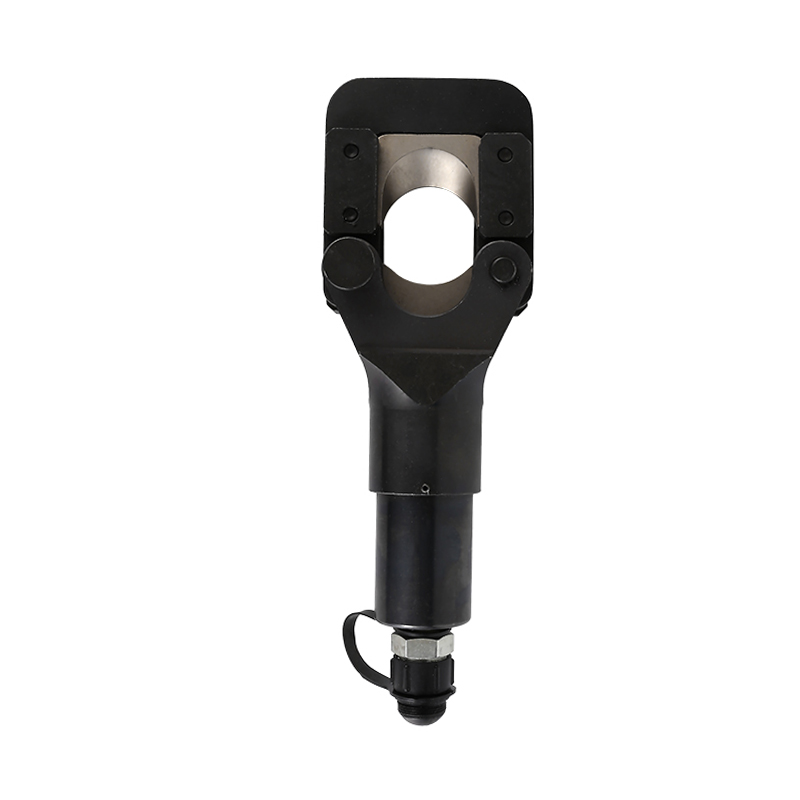
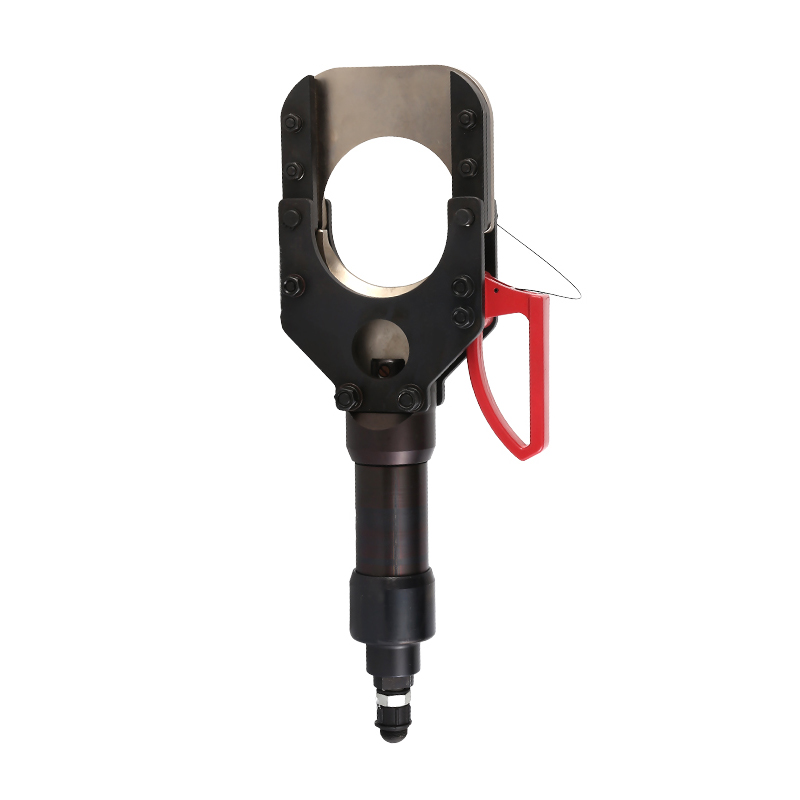
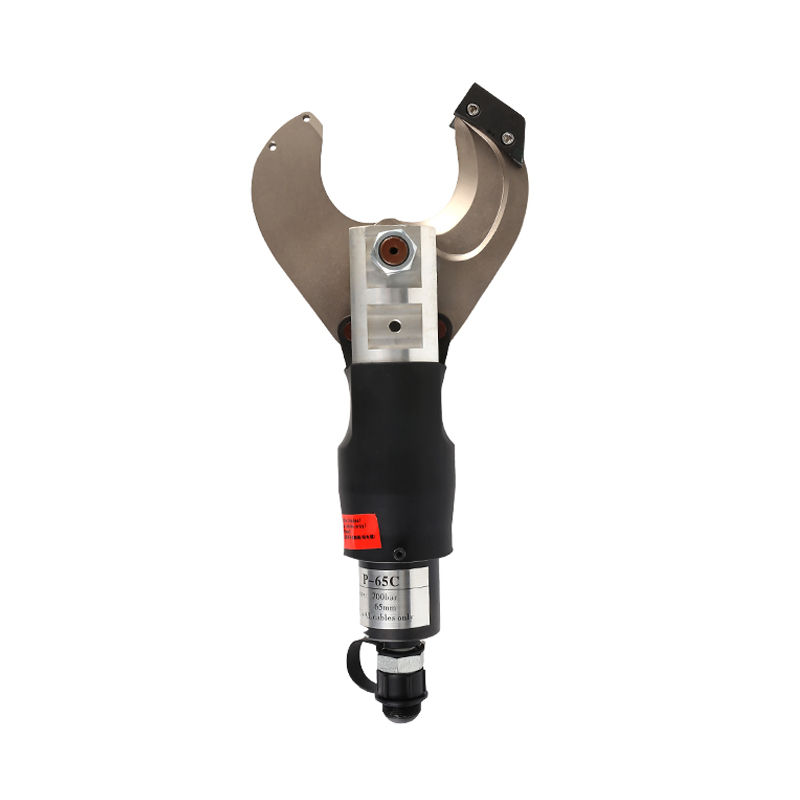
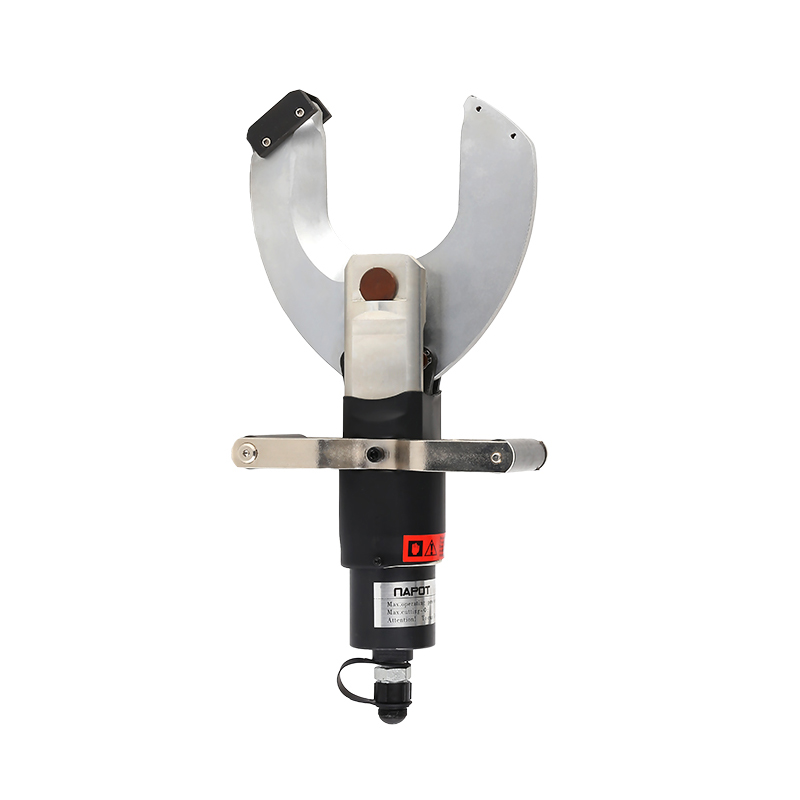
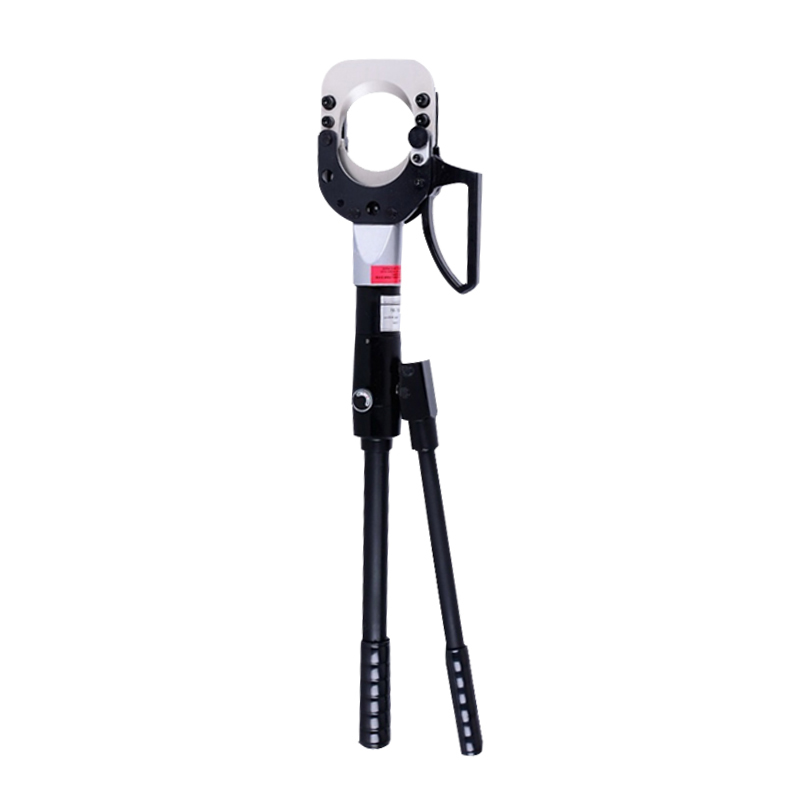
Electricians, HVAC installers, and maintenance crews sourcing hand tools for the coming season keep raising the same question: why does cutting thick cable or steel wire still leave hands sore and edges ragged? Tool buyers at distributors and contractor supply houses are paying closer attention to how a cutter delivers force, not just how sharp it looks on the shelf. For teams comparing options, a ratchet wire scissor has become a practical answer to a very ordinary problem: cutting heavy-gauge material safely, repeatedly, and without excess strain.
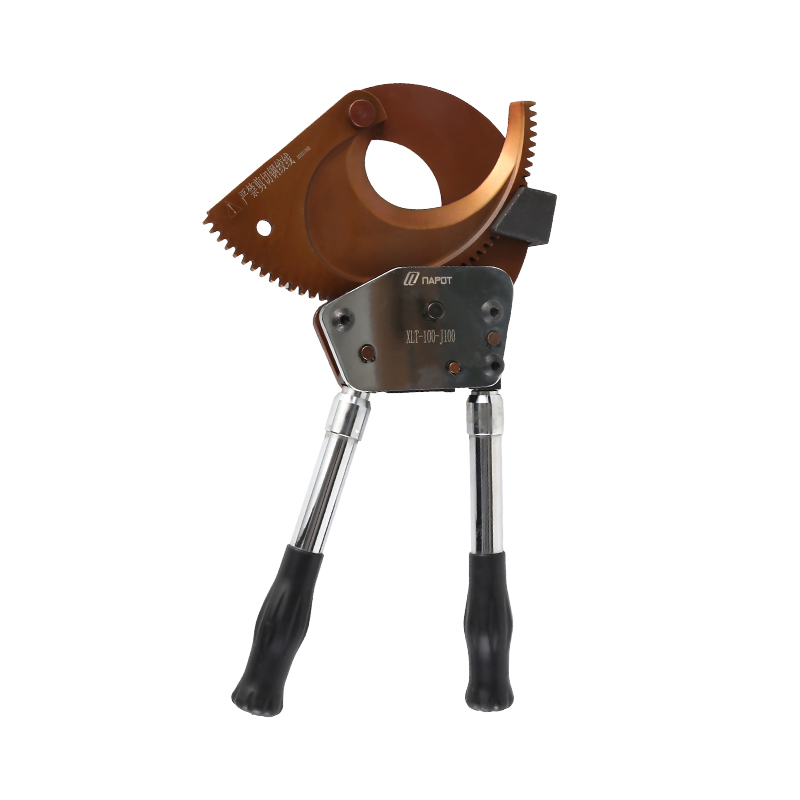
Discussions in trade forums and contractor communities show a steady interest in tools that multiply cutting force through staged, incremental strokes. Instead of squeezing the handles once with up to effort, the user closes them in small steps while the ratchet holds each position. This makes thicker wire manageable for people working overhead, in tight cabinets, or on long shifts, and it explains why many purchasing managers now list ratcheting action as a selection criterion.
Not every cutter suits every wire. Copper, aluminum, and steel behave differently under a blade, and hardened steel wire can chip an unsuitable edge quickly. Buyers should confirm which materials and diameters the manufacturer specifies for the tool, and whether the blades are heat treated for the intended use. Using a cutter beyond its stated range is the lots of common reason for premature blade damage that we see reported.
Our production team reviews the same quality points on every batch, and buyers can use this list when evaluating any supplier:
Requesting a sample for hands-on testing before a volume order is a sensible step for any distributor.
A tool that needs less hand force reduces the chance of slipping during a cut. Handles that fit gloved hands, a dependable release lever, and a lock that keeps the blades closed during storage all contribute to safer use. Safety managers increasingly ask about these features because they support workplace guidelines without requiring extra training time.
Field technicians carry tools in bags, vehicle compartments, and belt pouches, so weight and length matter. A compact ratchet cutter can replace a larger bolt cutter for many wire tasks, freeing space and lowering the burden on crews who move between sites throughout the day. Distributors also value a shape that packs neatly for shipping and retail display.
Routine care is simple: wipe away debris after use, apply a light oil to the pivot and ratchet teeth, and store the tool dry. Blades that begin to show nicks or rolled edges should be inspected rather than forced through another cut. Buyers can ask suppliers about replacement blade availability and recommended service intervals to plan long-term tool budgets.
Distributors often need private labeling, custom packaging, and mixed-size assortments to match regional demand. Confirming these options early helps avoid delays between sample approval and shipment, and it lets sales teams present a consistent product line to their own customers.
If your team is reviewing tools for wire cutting tasks, a well-made ratchet wire scissor can reduce effort, improve cut quality, and support safer work habits. Our engineers are happy to discuss your material range and application so you can select the right model with confidence.
Recommended Products
Copyright © Taizhou Naibo Machinery Co., Ltd. All Rights Reserved.

Cable Wire Cutting Tool Manufacturer
 English
 Español
 русский
 Français
 Deutsch
 Português