-

-

+86-0576-86655111
-

Wenling , Zhejiang, China
+86-0576-86655111
Wenling , Zhejiang, China

Industry News
 2026.10.09
 Industry News
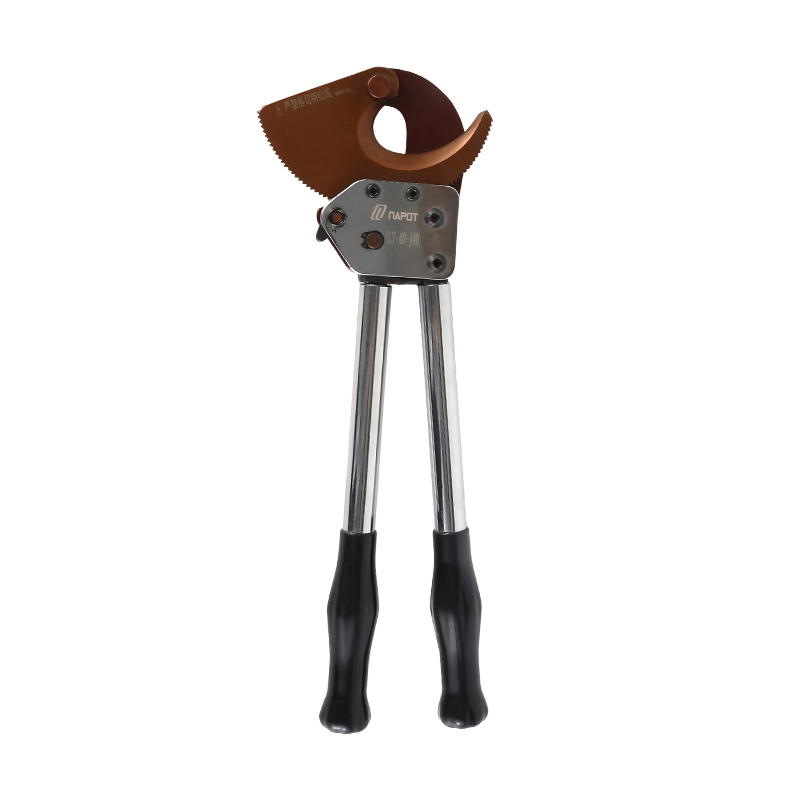
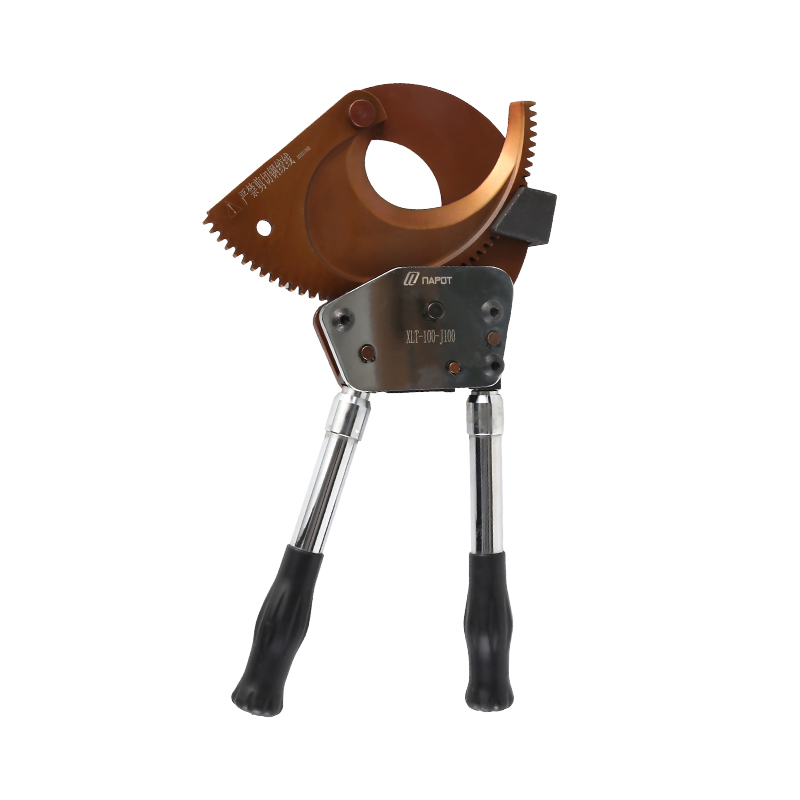
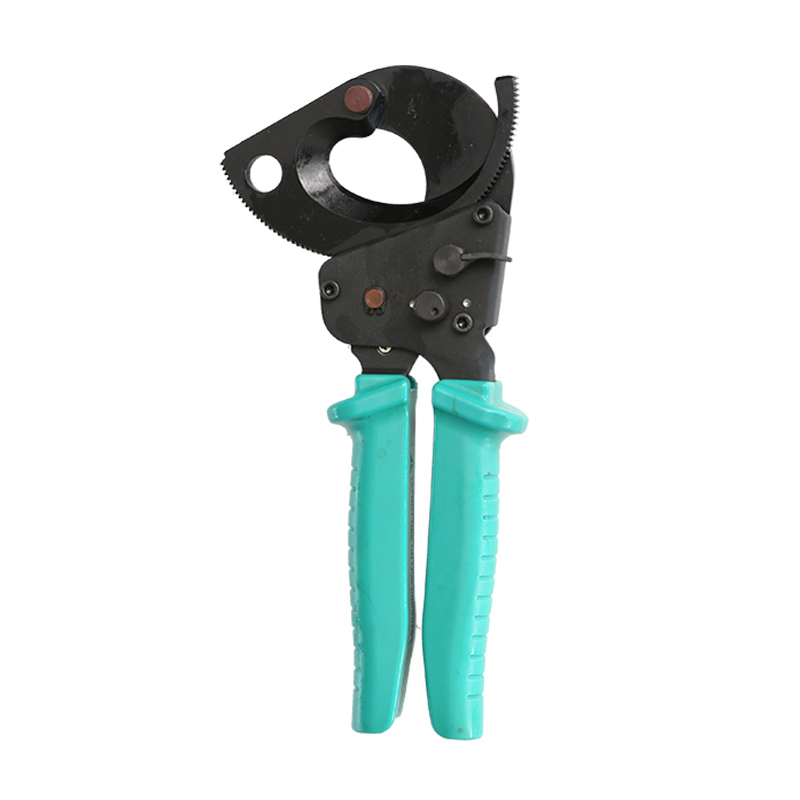
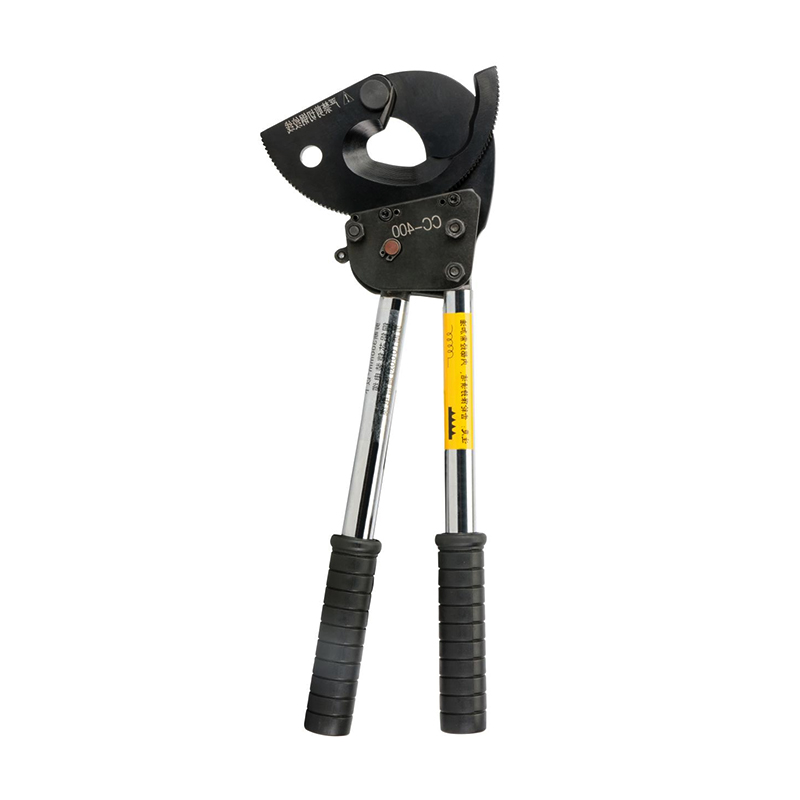
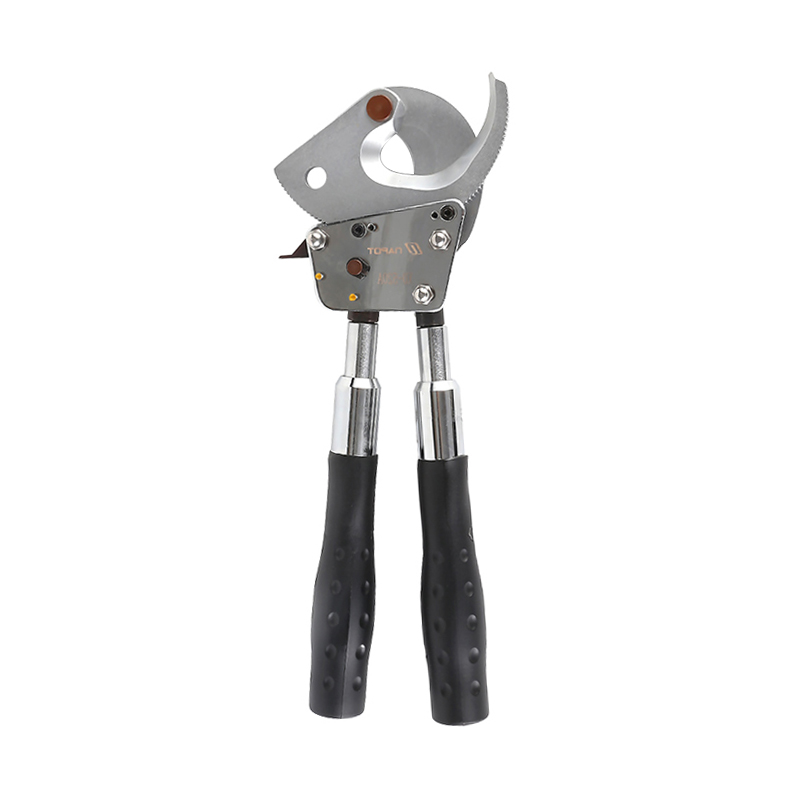
Cutting wire repeatedly sounds like a simple task, but the wrong hand tool can create uneven cuts, excessive hand effort, premature blade wear, and unnecessary interruptions during production or maintenance. For distributors, workshop buyers, and industrial users, a Ratchet Wire Scissor is worth evaluating not only for its cutting capacity but also for how its mechanism, blade design, and handle structure fit the actual job.
The consideration should be the material being cut. Electrical cable, steel wire, wire rope, and other wire products can require different cutting geometries and levels of mechanical force. A cutter designed for one material should not automatically be treated as suitable for another.
Before placing an order, buyers should clarify:
This basic information gives a manufacturer a more reliable starting point for tool selection.
A ratchet mechanism changes the way cutting force is applied. Instead of depending on one strong closing movement, the user advances the cutting action through successive handle strokes while the mechanism holds the blade position.
This can be particularly useful when working with material that requires more force than a conventional scissor-style cutter can comfortably provide. The design also gives users greater control during the cutting process, which can be useful when a clean and controlled cut matters more than simply completing the cut quickly.
A sharp blade is important, but sharpness alone does not determine cutting performance. The relationship between blade shape, hardness, alignment, and the material being cut also affects the result.
For manufacturers, blade production deserves careful attention during tool development. Important areas include:
When these elements work together, the tool can maintain a more controlled cutting action instead of relying on excessive force.
A cutter that feels acceptable for occasional use may become uncomfortable when operators perform repeated cuts throughout a working shift. Handle shape, opening distance, grip position, and ratchet movement can all influence how the tool feels in the hand.
This is why professional buyers should evaluate the tool according to its working environment rather than its appearance alone. A practical design should allow the operator to maintain a stable grip and operate the ratchet without awkward wrist movement.
The cutting operation is often only one step in a larger workflow. The wire may need to be inserted into a fitting, positioned for assembly, prepared for further processing, or handled immediately after cutting.
A poorly controlled cut can leave an uneven or spread end, creating additional work. For this reason, buyers should consider the quality of the finished cut alongside the basic cutting capacity when evaluating a Ratchet Wire Scissor.
Mechanical cutting tools are exposed to dust, metal particles, moisture, and repeated mechanical stress. Routine inspection can help identify problems before they interfere with work.
A practical maintenance routine can include:
The goal is not complicated maintenance. It is to keep the cutting mechanism moving smoothly and identify wear before it affects operation.
A Ratchet Wire Scissor should be evaluated as a complete working tool rather than simply as a pair of cutting blades. Material type, diameter, cutting frequency, blade geometry, ratchet movement, operator comfort, and maintenance requirements all influence whether a design is suitable.
For overseas buyers, providing the manufacturer with actual application details before purchasing makes it easier to recommend the appropriate structure and avoid choosing a cutter based on appearance or a single specification. A well-matched tool can make repetitive wire cutting more controlled, consistent, and practical for professional work.
Recommended Products
Copyright © Taizhou Naibo Machinery Co., Ltd. All Rights Reserved.

Cable Wire Cutting Tool Manufacturer
 English
 Español
 русский
 Français
 Deutsch
 Português